

Container Shipping China for Amazon Sellers: The 2026 Logistics Guide
Navigating the complexities of container shipping china for amazon sellers requires a strategic approach to ensure profitability in 2026. Many entrepreneurs struggle with rising logistics costs and strict warehouse requirements, yet finding the right balance between speed and budget is entirely possible. Visit China Freight World to discover how professional logistics management can streamline your entire supply chain today.
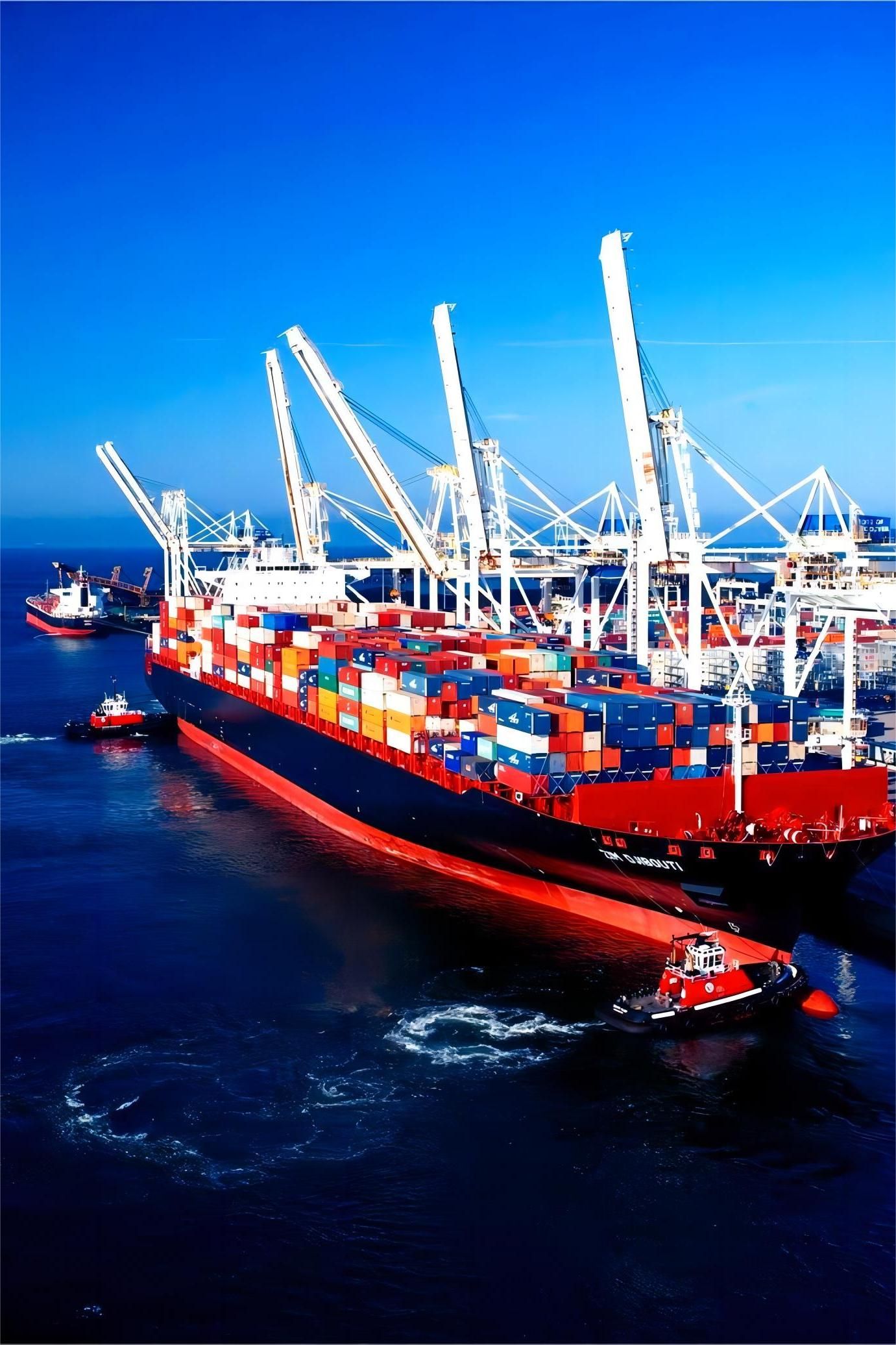
Why Container Shipping China for Amazon Sellers is Essential
Ocean freight remains the most cost-effective method for moving high volumes of inventory across the globe. Consequently, most successful e-commerce businesses rely on sea transport to maintain healthy profit margins. Furthermore, the ability to ship large quantities at once reduces the per-unit cost significantly.
Market trends in 2026 show that sea freight capacity has stabilized, allowing for more predictable delivery schedules. Nevertheless, sellers must plan their inventory cycles months in advance to account for water transit. Specifically, understanding the difference between various container options is the first step toward logistics mastery.
Choosing the right shipping partner can make or break your Amazon business. Therefore, working with experts who understand the nuances of the Chinese export market is vital. Indeed, professional guidance helps you avoid common pitfalls like port congestion or documentation errors.
Choosing Between FCL and LCL for Your Inventory
Full Container Load (FCL) and Less than Container Load (LCL) are the two primary choices for ocean transport. If you have enough cargo to fill a 20-foot or 40-foot container, FCL is almost always the better option. In contrast, LCL allows you to share space with other shippers, which is ideal for smaller batches.
Consider using sea freight services to evaluate which volume threshold makes sense for your current stock levels. Moreover, FCL shipments generally face fewer handling risks because the container remains sealed from the factory to the destination. Meanwhile, LCL involves more handling at consolidation hubs, which may slightly increase the risk of damage.
Transitioning from LCL to FCL is a major milestone for growing Amazon brands. Accordingly, you should analyze your monthly sales velocity to determine when to make the switch. For instance, once your shipment exceeds 15 cubic meters, a 20GP container often becomes more economical than paying for individual cubic meters in an LCL arrangement.
| Feature | LCL (Less Container Load) | FCL (Full Container Load) | Best For |
|---|---|---|---|
| Volume | 1 to 15 CBM | Over 15 CBM | FCL for bulk orders |
| Cost Basis | Per Cubic Meter | Flat rate per container | LCL for small trials |
| Transit Time | Longer (Consolidation) | Faster (Direct) | FCL saves 3-5 days |
| Security | Moderate (Shared space) | High (Sealed unit) | FCL for fragile goods |
Understanding Amazon FBA Specific Requirements
Amazon has very strict rules regarding how cargo must arrive at their fulfillment centers. Therefore, your shipping strategy must align with their labeling, palletizing, and delivery window policies. Utilizing a dedicated Amazon FBA service ensures that your goods are not rejected at the warehouse gate.
Incorrectly labeled boxes or non-compliant pallets can lead to expensive storage fees or even shipment returns. Consequently, many sellers choose to have their goods inspected and prepared at a third-party warehouse in China before loading. This extra step provides a safety net against manufacturing defects and packaging errors.
Furthermore, the final mile delivery to Amazon is just as important as the ocean crossing. Carriers must book delivery appointments through the Carrier Central portal. Without a doubt, experienced freight forwarders handle this coordination seamlessly, ensuring your products are available for customers as planned.
How Container Shipping China for Amazon Sellers Compares to Other Options
While sea freight is the backbone of international trade, other methods like air and rail offer unique advantages. For example, air freight is significantly faster but comes at a much higher price point. As a result, most sellers use air transport only for urgent restocks or high-value, low-weight items.
Rail freight has emerged as a viable middle ground for shipments to Europe, offering faster speeds than sea and lower costs than air. However, for North American routes, the choice remains primarily between sea and air. To summarize, your decision should depend on your current inventory levels and cash flow requirements.
Hybrid solutions, such as sea-air combinations, can also be explored to balance cost and speed. Meanwhile, express couriers are best for very small samples or documents. In addition, always consider the total landed cost rather than just the shipping rate when comparing these methods.
| Shipping Method | Cost Range | Transit Time | Best For |
|---|---|---|---|
| Sea Freight | $1,500 – $5,000 | 20-40 Days | Bulk inventory |
| Air Freight | $5 – $12 per kg | 3-7 Days | Urgent restocks |
| Rail Freight | $2,000 – $4,000 | 18-25 Days | China to Europe |
| Express | $8 – $15 per kg | 2-5 Days | Samples/Small items |

Estimated Shipping Costs and Transit Times for 2026
Current market data suggests that shipping rates have stabilized following the volatility of previous years. For instance, a 40HQ container from Shanghai to the US West Coast typically ranges between $2,800 and $3,800. In contrast, shipping to the US East Coast is more expensive due to the longer distance and canal transit fees.
Transit times vary based on the specific port of loading and discharge. Direct routes from Shenzhen to Los Angeles can take as little as 14 days, whereas transshipment routes might take 25 days or more. Therefore, it is essential to confirm the schedule with your carrier before booking.
Note: Freight rates are subject to change based on fuel costs, carrier capacity, and seasonal demand. Contact us for a current quote tailored to your specific shipment. Additionally, remember that Q4 peak season usually sees a 20% increase in rates due to high demand for holiday inventory.
| Route | 20GP Container | 40HQ Container | Est. Transit |
|---|---|---|---|
| China to USA West | $1,800 – $2,500 | $3,000 – $4,000 | 14-20 Days |
| China to USA East | $2,800 – $3,800 | $4,500 – $6,000 | 30-35 Days |
| China to Europe | $2,000 – $2,800 | $3,500 – $4,800 | 28-35 Days |
| China to UK | $2,200 – $3,000 | $3,800 – $5,000 | 30-38 Days |
Customs Clearance and Documentation for FBA Sellers
Navigating the legal requirements of international trade is often the most daunting part of the process. Every shipment must have a commercial invoice, packing list, and bill of lading. Furthermore, a professional customs brokerage service can prevent your goods from being held at the border.
In 2026, customs authorities have increased their scrutiny of e-commerce imports to ensure compliance with safety standards and tax regulations. Consequently, you must ensure that your HS codes are accurate to avoid fines or delays. Moreover, having a continuous customs bond is highly recommended for regular importers to the United States.
Failure to provide the correct documentation can lead to storage charges known as demurrage and detention. Therefore, you should prepare all paperwork at least a week before the ship reaches the destination port. Indeed, being proactive with customs is the best way to maintain a smooth supply chain.
Logistics Trends and Door to Door Delivery
Many modern sellers prefer the convenience of door to door shipping models. This all-inclusive service covers everything from the factory pickup in China to the final delivery at the Amazon warehouse. Consequently, it allows business owners to focus on marketing and sales rather than logistics details.
Digital tracking technology has also improved significantly, providing real-time visibility into the location of your container. Furthermore, green shipping initiatives are becoming more common, with some carriers offering carbon-offsetting options for environmentally conscious brands. Meanwhile, automated warehouse systems in 2026 are speeding up the unloading process at major ports.
As a result of these advancements, the margin for error in logistics is shrinking. Sellers who embrace technology and integrated services tend to outperform those who manage each step manually. Accordingly, investing in a robust logistics partnership is a strategic move for long-term growth.
Real Realistic Case Studies for Amazon Sellers
Case Study 1: High-Volume Electronics to USA +———————————————————+ | Route: Shenzhen, China to Los Angeles, USA | | Cargo: Consumer Electronics, 68 CBM, 12,000 kg | | Container: 40HQ Full Container | | | | Shipping Details: | | – Carrier: COSCO Direct Service | | – Port of Loading: Yantian | | – Port of Discharge: Los Angeles | | – Route Type: Direct | | | | Cost Breakdown: | | – Ocean Freight: $3,400 | | – Origin Charges: $450 | | – Destination Charges: $600 | | – Customs & Duties: $1,200 | | – Total Landed Cost: $5,650 | | | | Timeline: | | – Sea Transit: 16 days | | – Total Door-to-Door: 24 days | | | | Key Insight: Direct shipping saved 8 days vs | | transshipment, preventing an out-of-stock event. | +———————————————————+
Case Study 2: Small Batch Home Decor to Europe +———————————————————+ | Route: Ningbo, China to Hamburg, Germany | | Cargo: Wooden Home Decor, 8 CBM, 1,500 kg | | Container: LCL (Less than Container Load) | | | | Shipping Details: | | – Carrier: Major Consolidation Service | | – Port of Loading: Ningbo | | – Port of Discharge: Hamburg | | – Route Type: Direct Sea | | | | Cost Breakdown: | | – Ocean Freight: $720 ($90/CBM) | | – Origin Charges: $200 | | – Destination Charges: $350 | | – Customs & Duties: $400 | | – Total Landed Cost: $1,670 | | | | Timeline: | | – Sea Transit: 32 days | | – Total Door-to-Door: 45 days | | | | Key Insight: LCL was the most cost-effective choice | | for this mid-sized shipment during Q1 2026. | +———————————————————+
Case Study 3: Seasonal Toy Inventory to Australia +———————————————————+ | Route: Shanghai, China to Sydney, Australia | | Cargo: Plush Toys, 28 CBM, 4,000 kg | | Container: 20GP Full Container | | | | Shipping Details: | | – Carrier: Maersk | | – Port of Loading: Shanghai | | – Port of Discharge: Sydney | | – Route Type: Direct | | | | Cost Breakdown: | | – Ocean Freight: $1,100 | | – Origin Charges: $300 | | – Destination Charges: $450 | | – Customs & Duties: $250 | | – Total Landed Cost: $2,100 | | | | Timeline: | | – Sea Transit: 14 days | | – Total Door-to-Door: 22 days | | | | Key Insight: Booking 4 weeks in advance secured a lower | | rate before the August peak season price hike. | +———————————————————+
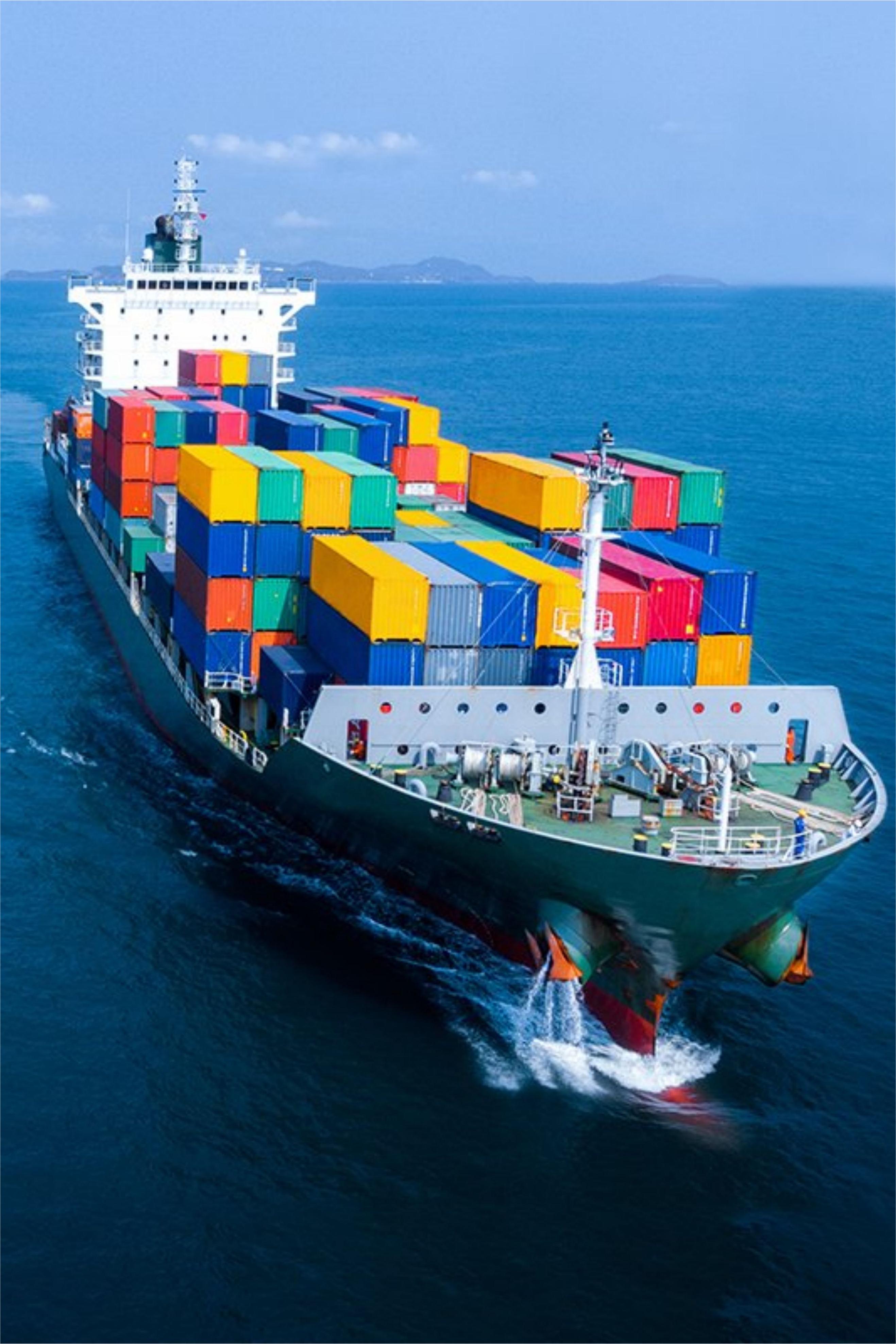
Choosing the Best Container Shipping China for Amazon Sellers Strategy
Which option should you choose? If budget is your absolute priority, sea freight is the clear winner for any shipment over 2 CBM. However, if you are launching a new product and need to test the market quickly, air freight might justify its cost. To illustrate, many sellers use a ‘split shipment’ strategy where 10% goes by air and 90% goes by sea.
Cargo type also plays a significant role in your decision. Heavy or bulky items like furniture or gym equipment are virtually impossible to ship profitably by air. On the other hand, small, high-margin electronics are well-suited for faster methods. Furthermore, you must consider the volume thresholds where LCL becomes more expensive than FCL.
Ultimately, the best strategy involves a mix of methods based on seasonal demand and inventory health. Without a doubt, staying flexible and monitoring market rates will help you optimize your logistics spend. Always consult with your freight forwarder to find the most efficient route for your specific needs.
Final Thoughts on Container Shipping China for Amazon Sellers
Mastering container shipping china for amazon sellers is a vital skill for any e-commerce entrepreneur looking to scale in 2026. By understanding the differences between FCL and LCL, staying compliant with FBA requirements, and choosing the right transit routes, you can significantly reduce your overhead. Moreover, professional freight forwarding partners provide the expertise needed to navigate customs and documentation without stress.
As the global market continues to evolve, staying informed about logistics trends and pricing will remain a competitive advantage. Therefore, plan your shipments carefully, use the data-driven frameworks provided in this guide, and always prioritize reliability in your supply chain. With the right approach, your Amazon business can thrive in the international marketplace.
Need a tailored shipping solution?
Streamline your supply chain and maximize your Amazon profits with expert logistics support. Our team specializes in container shipping china for amazon sellers to ensure your inventory arrives safely and on time. Contact us today for a personalized quote and let us handle the complexities of global shipping for you. Send Inquiry: info@chinafreightworld.com