
Customs Clearance China International: The Ultimate 2025 Guide
Navigating the complexities of customs clearance china international remains a significant hurdle for businesses looking to scale their global operations. However, partnering with a professional logistics provider like China Freight World ensures that your cargo moves efficiently across borders while maintaining full regulatory compliance. This comprehensive guide will explore the essential strategies, documentation requirements, and cost-saving measures needed to streamline your international supply chain today.

What is Customs Clearance China International?
Understanding the fundamental nature of customs clearance china international is the first step toward achieving a seamless supply chain. Essentially, this process involves the formal declaration of goods to government authorities to ensure that all duties are paid and legal requirements are met. Consequently, failure to manage this correctly can lead to expensive storage fees, shipment seizures, or significant delivery delays.
Moreover, the landscape of Chinese exports is governed by strict regulations that change frequently based on global trade agreements. Therefore, shippers must stay informed about the latest policy shifts to avoid non-compliance issues. Specifically, the General Administration of Customs of China (GACC) oversees all import and export activities, requiring precise data entry for every shipment leaving the country.
Furthermore, international trade relies on the accurate classification of goods using the Harmonized System (HS) codes. Because these codes determine the tariff rates, any error in classification can result in overpaying duties or facing penalties for under-declaration. Ultimately, a strategic approach to customs management is not just a legal necessity but a competitive advantage in the global market.
Which Documents are Required for Smooth Clearance?
Preparing the correct paperwork is undoubtedly the most critical phase of the shipping process. Indeed, most delays at the border stem from missing or incorrectly filled documents rather than physical inspections of the cargo. For instance, the commercial invoice must clearly state the value, description, and quantity of the goods to satisfy both Chinese and destination customs officials.
Additionally, the packing list serves as a detailed roadmap for customs officers to verify the contents of each container. Meanwhile, the Bill of Lading (BoL) acts as a contract of carriage and a title to the goods, making it an indispensable document for any international transaction. Without these core documents, your shipment will likely be stalled at the port of loading.
Typically, certain products may also require specialized certificates, such as a Certificate of Origin or a phytosanitary certificate for agricultural products. Accordingly, you should consult with your freight forwarder early in the process to identify any unique requirements for your specific commodity.
| Document Name | Purpose | Required By | Typical Format |
|---|---|---|---|
| Commercial Invoice | Valuation and duty assessment | GACC and Destination Customs | Digital/Hard Copy |
| Packing List | Detailed inventory of cargo | Port Authorities | Spreadsheet/PDF |
| Bill of Lading | Contract and title of goods | Carrier and Customs | Original/Telex |
| Certificate of Origin | Proof of manufacture location | Trade Agreements | Chamber of Commerce |
How Does Customs Clearance China International Compare Across Shipping Options?
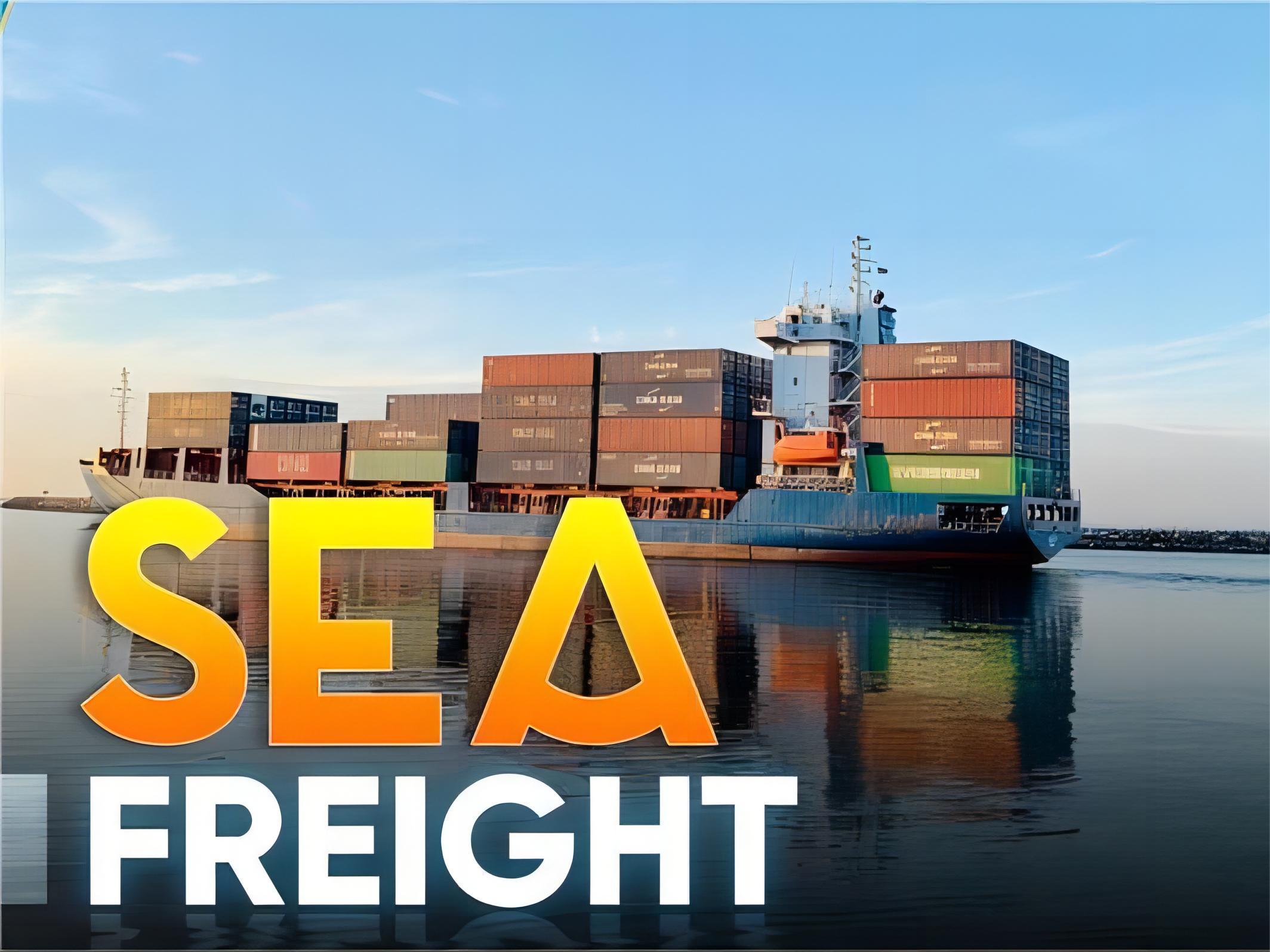
Selecting the right transportation mode significantly impacts the speed and complexity of your customs clearance china international experience. For example, sea freight is the most common method for large volumes, offering a balance between cost and capacity. However, the clearance process for ocean containers can sometimes take longer due to the sheer volume of traffic at major ports like Shanghai or Ningbo.
In contrast, air freight provides the fastest transit times and often features a more streamlined customs process. Because air cargo is typically high-value or time-sensitive, customs authorities often prioritize these shipments for faster processing. Nevertheless, the higher cost per kilogram makes this option less suitable for bulky or low-margin goods.
Furthermore, businesses targeting inland destinations in Eurasia might consider rail freight as a viable middle ground. Rail transport offers faster delivery than sea and lower costs than air, though customs procedures at border crossings like Alashankou require careful coordination. Each method has distinct advantages depending on your budget and urgency.
| Shipping Method | Cost Range | Transit Time | Best For |
|---|---|---|---|
| Sea Freight | $1,500 – $4,500 per container | 25 – 45 Days | Bulk goods and FCL |
| Air Freight | $4.50 – $9.00 per kg | 3 – 7 Days | Urgent/High-value items |
| Rail Freight | $2,000 – $6,000 per container | 15 – 22 Days | China to Europe land bridge |
| Express Service | $8.00 – $15.00 per kg | 2 – 5 Days | Small parcels and samples |
Which Option Should You Choose?
Deciding on the best shipping strategy requires a clear understanding of your business priorities and cargo specifications. If your primary goal is to minimize expenditure and you have a flexible schedule, sea freight is the logical choice. Conversely, if you are launching a new product or replenishing low stock, the speed of air freight justifies the premium price.
Furthermore, you should evaluate the volume of your shipment before committing to a specific method. For shipments under 15 CBM, Less than Container Load (LCL) shipping is often more economical than paying for a full container. However, if your volume exceeds 15 CBM, a 20GP container usually provides better value and security for your goods.
Additionally, hybrid solutions like sea-air combinations can offer a strategic compromise. These routes involve shipping by sea to a hub like Dubai or Singapore and then flying the goods to the final destination. Consequently, you can save up to 40% on costs compared to pure air freight while cutting transit time by half compared to pure sea freight.
Can a Professional Broker Speed Up the Process?
Engaging a qualified customs brokerage service is often the most effective way to navigate the intricacies of international trade. Professional brokers possess the local knowledge and technical expertise to handle complex filings and communicate directly with customs officials. Indeed, their involvement can reduce the risk of audits and ensure that all available tax exemptions are applied to your shipment.
Moreover, brokers stay updated on the latest changes in trade laws and tariff schedules. For instance, they can advise you on the impact of anti-dumping duties or specific trade sanctions that might affect your products. By delegating these tasks to experts, you can focus on your core business operations while maintaining peace of mind.
Additionally, many logistics providers now offer integrated door to door services that include customs clearance as standard. This comprehensive approach simplifies the supply chain by providing a single point of contact for the entire journey. As a result, communication gaps are minimized, and the likelihood of documentation errors is significantly reduced.
How Do HS Codes Affect Your Import Costs?
Accurate HS code classification is the cornerstone of a successful customs clearance china international strategy. These codes are part of an international standardized system of names and numbers for classifying traded products. Consequently, the code you choose directly determines the percentage of import duty you will pay at the destination port.
Furthermore, misclassification can lead to severe consequences beyond just incorrect duty payments. If customs authorities believe you have intentionally used a lower-duty code, they may impose heavy fines or blacklist your company from future imports. Therefore, it is essential to verify your HS codes with a professional or use official customs ruling databases.
Notably, different countries may have slight variations in the extended digits of an HS code. While the first six digits are universal, the remaining digits are country-specific. For example, the United States uses the Harmonized Tariff Schedule (HTS), while the European Union uses the Combined Nomenclature (CN). Always ensure your documentation reflects the specific requirements of the destination country.
Real-World Case Studies in International Logistics
Examining real-world scenarios provides valuable insights into the practical application of customs clearance china international strategies. Below are two examples based on actual shipments handled during the Q3 2024 to early 2025 period. These cases highlight the importance of planning and the impact of method selection on total landed costs.
Case Study 1: Electronics to Europe Route: Shenzhen, China to Hamburg, Germany Cargo: Consumer Electronics, 12 CBM, 2,800 kg Container: LCL (Less than Container Load) Shipping Details: – Carrier: Maersk – Port of Loading: Shenzhen – Port of Discharge: Hamburg – Route Type: Direct Cost Breakdown: – Ocean Freight: $1,150 – Origin Charges: $320 – Destination Charges: $450 – Customs and Duties (est): $2,100 – Total Landed Cost: $4,020 Timeline: – Booking to Loading: 4 days – Sea Transit: 32 days – Customs Clearance: 2 days – Total Door-to-Door: 42 days Key Insight: Pre-clearing the HS codes for electronics prevented a potential 5-day delay during the peak season.
Case Study 2: Apparel to USA Route: Shanghai, China to Los Angeles, USA Cargo: Cotton T-shirts, 28 CBM, 4,500 kg Container: 40GP Shipping Details: – Carrier: COSCO – Port of Loading: Shanghai – Port of Discharge: Los Angeles – Route Type: Direct Cost Breakdown: – Ocean Freight: $3,200 – Origin Charges: $400 – Destination Charges: $650 – Customs and Duties (est): $5,400 – Total Landed Cost: $9,650 Timeline: – Booking to Loading: 6 days – Sea Transit: 16 days – Customs Clearance: 3 days – Total Door-to-Door: 28 days Key Insight: Utilizing a 40GP container instead of multiple LCL shipments saved the client approximately $800 in destination handling fees.
What are the Common Pitfalls in International Logistics?
Avoiding common mistakes is essential for maintaining a reliable flow of goods from China to global markets. One frequent error is the use of generic product descriptions on the commercial invoice. For example, labeling an item as ‘parts’ instead of ‘stainless steel valves for industrial machinery’ can trigger an immediate inspection and delay.
Furthermore, many shippers fail to account for the impact of seasonal peaks on customs processing times. During the weeks leading up to the Lunar New Year, Chinese ports experience massive surges in volume, which often leads to backlogs in documentation review. Consequently, booking your shipments at least 3-4 weeks in advance during these periods is a prudent strategy.
Additionally, underestimating the importance of Incoterms can lead to confusion regarding who is responsible for customs duties and fees. Whether you are using FOB (Free on Board) or DDP (Delivered Duty Paid), both parties must have a clear understanding of their financial and legal obligations. Misunderstandings in this area often result in shipments being held at the port while the buyer and seller argue over payment.
Mastering the Future of Global Trade
In conclusion, successfully navigating customs clearance china international is a multi-faceted challenge that demands attention to detail and proactive planning. By understanding the documentation requirements, selecting the appropriate shipping method, and accurately classifying your goods, you can significantly reduce the risks associated with international trade.
As market conditions continue to evolve in 2025, staying informed about regulatory changes and logistics trends will be vital for your success. Partnering with an experienced freight forwarder provides the support needed to overcome these obstacles and ensure your products reach their destination on time and within budget. Start optimizing your supply chain today to secure a competitive edge in the global marketplace.
Ready to streamline your logistics?
Managing customs clearance china international requires precision and local expertise to avoid costly delays. Contact the professionals at China Freight World today to streamline your logistics and receive a competitive quote for your next shipment. Visit our website to learn more about our comprehensive shipping solutions.
Request Quote