
DDP Shipping China Door to Door Spain: The Ultimate Guide for 2025. Options: 1. DDP Shipping China Door to Door Spain: T
Navigating the complexities of international logistics can be a daunting task for many Spanish businesses importing goods from Asia. Fortunately, China Freight World provides comprehensive solutions that eliminate the stress of managing multiple carriers and complex customs regulations. Choosing DDP shipping China door to door Spain ensures that your cargo arrives safely at its destination without unexpected costs or administrative delays. This guide explores the various facets of Delivered Duty Paid services, helping you make informed decisions for your supply chain efficiency.
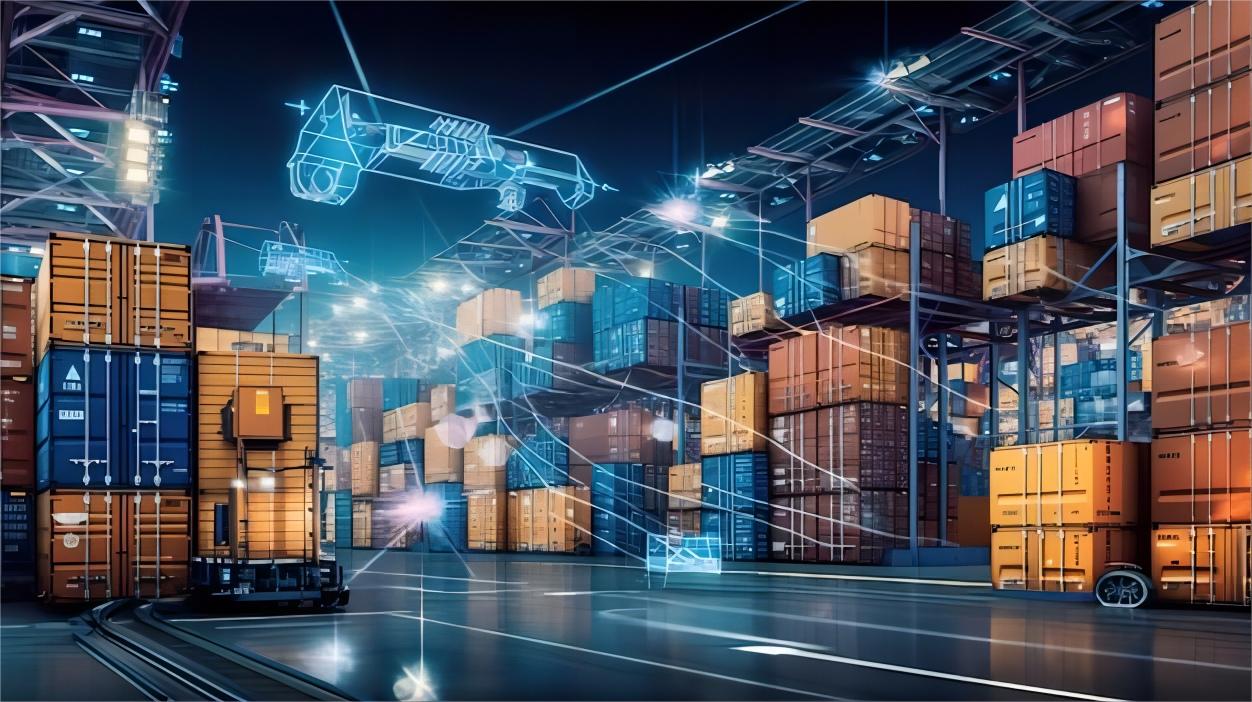
What is DDP Shipping China Door to Door Spain?
Delivered Duty Paid (DDP) is a specialized shipping incoterm where the seller assumes all responsibility, risk, and costs associated with transporting goods. Specifically, this includes everything from the factory floor in China to the final doorstep in Spain, covering freight, insurance, and export duties. Moreover, the seller handles the import clearance process in Spain, paying the Value Added Tax (VAT) and any applicable customs tariffs on behalf of the buyer.
Importers often prefer this method because it provides a fixed, all-inclusive price, which simplifies accounting and financial planning. Consequently, you do not have to worry about the intricacies of Spanish customs brokerage or unexpected fees at the port of Barcelona or Valencia. In addition, this service is particularly beneficial for e-commerce sellers and small businesses that lack a dedicated logistics department.
Furthermore, the door to door aspect means the freight forwarder manages the entire journey across multiple modes of transport. Whether your goods travel by sea, air, or rail, the transition between legs of the journey remains seamless and invisible to you. Therefore, you can focus on marketing and sales while the logistics experts handle the movement of your physical inventory.
Why Choose DDP for Your Spanish Imports?
Choosing DDP shipping China door to door Spain offers unparalleled peace of mind by shifting the burden of compliance to the shipping provider. Historically, many shipments faced delays at Spanish borders due to incorrect documentation or tax disputes, but DDP mitigates these risks effectively. Indeed, the shipping agent ensures all paperwork aligns with the latest European Union regulations and Spanish national laws.
Cost predictability remains one of the most significant advantages for businesses operating on tight margins. When you opt for a DDP agreement, the quote you receive covers every single expense, protecting you from fluctuating fuel surcharges or port congestion fees. Meanwhile, the streamlined nature of the process often leads to faster overall transit times because the customs clearance is prepared well in advance.
Additionally, this method is ideal for those utilizing Amazon FBA services in Spain. Amazon requires that all incoming shipments are delivered with duties paid, as they will not act as the importer of record. Accordingly, DDP is the standard choice for sellers sending products to fulfillment centers in Madrid, Barcelona, or Seville.
How Does DDP Compare to Other Shipping Options?
Understanding the differences between DDP and other common incoterms like DAP (Delivered at Place) or CIF (Cost, Insurance, and Freight) is essential. While DAP requires the buyer to handle customs clearance and pay taxes upon arrival, DDP removes these hurdles entirely. For instance, an importer in Madrid using DAP might be surprised by a 21 percent VAT bill before they can claim their goods.
On the other hand, CIF only covers the journey to the destination port, leaving the buyer responsible for inland transport and unloading. In contrast, door to door services provide a complete end-to-end solution that includes the final mile delivery to your warehouse or office. Without a doubt, the convenience of DDP often outweighs the slightly higher service fees charged by forwarders.
To summarize the differences, consider the following comparison table which outlines the responsibilities for each major shipping method used on the China-Spain route.
| Sea Freight DDP | $150 – $250 per CBM | 35 – 45 Days | Bulk goods, low cost | Slowest transit |
| Air Freight DDP | $5.50 – $8.50 per kg | 5 – 10 Days | High value, urgent | Very expensive |
| Rail Freight DDP | $120 – $180 per CBM | 22 – 28 Days | Mid-range volume | Limited destinations |
| Express DDP | $9.00 – $14.00 per kg | 3 – 5 Days | Samples, small parcels | Highest cost |

Analyzing Sea, Air, and Rail Freight Options
Selecting the right transport mode depends heavily on your budget and how quickly you need the inventory in Spain. For large shipments where cost is the primary concern, sea freight is the most economical choice. Most sea cargo travels via the Suez Canal, arriving at major Spanish ports like Algeciras or Valencia before being trucked inland.
If speed is your priority, air freight offers the fastest connection between Chinese manufacturing hubs and Spanish airports. Although the cost per kilogram is significantly higher, the reduced transit time can be vital for seasonal products or urgent restocking needs. Generally, air cargo arrives in Madrid or Barcelona within a week, including customs processing.
Meanwhile, rail freight has emerged as a popular middle-ground solution for the Europe-Asia corridor. The Yixinou railway line connects Yiwu directly to Madrid, providing a reliable alternative that is faster than sea and cheaper than air. Consequently, many businesses use rail to balance their logistics budgets while maintaining a consistent supply chain flow.
Customs Clearance and Documentation in Spain
Navigating the Spanish customs landscape requires precise documentation to avoid costly hold-ups and inspections. Every shipment must include a commercial invoice, a detailed packing list, and a Bill of Lading or Air Waybill. Furthermore, specific products may require certificates of origin or CE marking to comply with European safety standards.
Spanish authorities are particularly strict regarding the valuation of goods and the accuracy of HS codes. If the declared value seems too low, customs officials may trigger an audit, leading to delays and potential fines. However, when using a DDP service, your freight forwarder handles these communications and ensures all declarations are accurate and compliant.
Indeed, having a professional partner to manage the EORI (Economic Operators Registration and Identification) requirements is a major benefit. Most Spanish businesses need an EORI number to import from outside the EU, and your agent can guide you through this registration process. As a result, the transition through the border becomes a routine administrative task rather than a logistical nightmare.
The Step-by-Step Door to Door Logistics Process
The journey begins with the collection of goods from your supplier’s warehouse in cities like Shenzhen, Ningbo, or Shanghai. Once collected, the cargo is moved to a consolidation warehouse where it is prepared for export and loaded into containers. This initial phase is critical for ensuring that packaging is robust enough for international transit.
After export clearance is granted by Chinese authorities, the cargo embarks on its international transit via the chosen method. During this time, your door to door provider tracks the shipment and provides regular updates. Meanwhile, the import documentation is pre-filed with Spanish customs to ensure immediate processing upon arrival.
Finally, once the ship docks or the plane lands, the forwarder completes the import clearance and pays the necessary taxes. The goods are then loaded onto a local truck for the final leg of the journey to your specific address in Spain. Consequently, the entire process is completed without you ever needing to visit a port or contact a customs officer.

Which Option Should You Choose? Decision Framework
Deciding on the best shipping method requires a careful analysis of your specific business needs and cargo characteristics. If your shipment is over 500kg and not urgent, sea freight is almost always the most logical choice for maximizing profit margins. Conversely, for high-value electronics or fashion items that depreciate quickly, the speed of air freight justifies the added expense.
Weight and volume thresholds often dictate the transition between different shipping modes. For instance, shipments between 100kg and 300kg might sit in a grey area where rail freight or LCL (Less than Container Load) sea freight compete closely on price. Therefore, you should always request quotes for multiple modes to see which offers the best value at that specific moment.
Budget priority typically favors sea freight, while speed priority demands air or express services. However, if you are looking for a sustainable option with a lower carbon footprint than air, rail is an excellent alternative for the Europe route. Ultimately, the best choice is one that aligns with your inventory turnover rate and customer delivery expectations.
Real Case Studies: China to Spain Shipments
Examining real-world examples provides valuable insight into the costs and timelines you can expect for your own imports. These cases reflect typical scenarios handled by professional freight forwarders during the 2024-2025 period. Note: Freight rates are subject to change based on fuel costs, carrier capacity, and seasonal demand. Contact us for a current quote tailored to your specific shipment.
Case Study 1: Electronics Distribution Route: Shenzhen, China to Madrid, Spain Cargo: Consumer Electronics, 3 CBM, 650 kg Container: LCL (Less than Container Load) Shipping Details: – Carrier/Service: Major Ocean Carrier – Port of Loading: Shenzhen – Port of Discharge: Valencia – Route Type: Direct Cost Breakdown: – Ocean Freight: $750 – Origin Charges: $150 – Destination Charges: $200 – Customs & Duties (DDP): $1,400 – Total Landed Cost: $2,500 Timeline: – Booking to Loading: 4 days – Sea Transit: 32 days – Customs Clearance: 3 days – Total Door-to-Door: 39 days Key Insight: DDP allowed the client to avoid VAT payment delays.
Case Study 2: Industrial Machinery Route: Ningbo, China to Barcelona, Spain Cargo: Spare Parts, 12 CBM, 2,200 kg Container: Rail Freight (Consolidated) Shipping Details: – Carrier/Service: Yixinou Railway – Port of Loading: Yiwu Terminal – Port of Discharge: Madrid Terminal – Route Type: Rail Direct Cost Breakdown: – Rail Freight: $2,100 – Origin Charges: $300 – Destination Charges: $450 – Customs & Duties (DDP): $3,200 – Total Landed Cost: $6,050 Timeline: – Booking to Loading: 6 days – Rail Transit: 24 days – Customs Clearance: 2 days – Total Door-to-Door: 32 days Key Insight: Rail provided a 10-day saving over sea at a fair price.
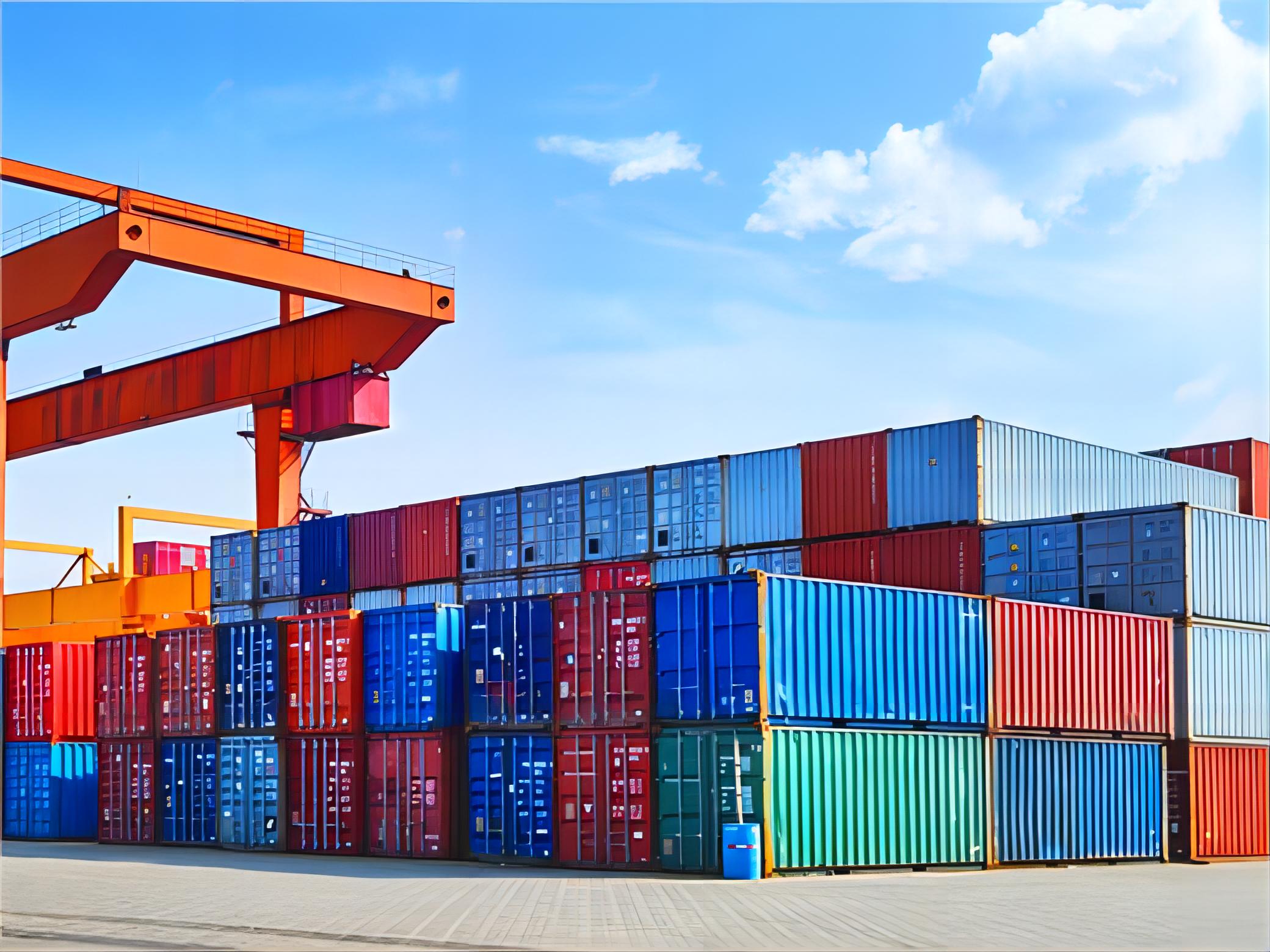
Cost-Saving Strategies for Spanish Importers
Reducing your logistics expenses requires a proactive approach to shipment planning and supplier management. One effective strategy is cargo consolidation, where multiple small orders from different suppliers are combined into a single larger shipment. By doing this, you reduce the per-unit cost of fixed charges like documentation and customs entry fees.
Optimizing your packaging can also lead to significant savings, especially for air and express freight where volumetric weight is a factor. Furthermore, planning your shipments well in advance allows you to avoid the premium rates associated with last-minute bookings during peak seasons. For example, shipping in the summer months is generally cheaper than the period leading up to the Chinese New Year.
Negotiating better terms with your suppliers can also impact your total landed cost. If your supplier can provide more accurate packing data, your forwarder can optimize the container space more effectively. Additionally, staying informed about logistics trends in 2025 will help you anticipate market shifts and adjust your strategy accordingly.
Final Thoughts on DDP Shipping to Spain
In conclusion, DDP shipping China door to door Spain represents the most efficient and stress-free method for importing goods into the Spanish market. By delegating the complexities of customs clearance and international transport to experts, you protect your business from hidden costs and administrative delays. Whether you choose the speed of air, the economy of sea, or the balance of rail, the DDP model ensures a predictable and smooth supply chain.
As market conditions continue to evolve in 2025, having a flexible and knowledgeable logistics partner is more important than ever. Consequently, investing in a high-quality door to door service is not just a convenience, but a strategic advantage for any serious importer. Take the time to analyze your shipping data and choose the method that best supports your long-term business goals.
Ready to streamline your logistics?
Streamline your business today with reliable DDP shipping China door to door Spain services. Our expert team handles every detail from pickup to final delivery, ensuring your cargo clears customs without a hitch. Contact China Freight World for a personalized quote and experience hassle-free international logistics. Visit our website to start your inquiry now.
Request Quote