

FCL Shipping From China Supplier: The Ultimate Logistics Guide
Navigating fcl shipping from china supplier requires a strategic approach to ensure your cargo arrives safely and cost-effectively. At China Freight World, we understand that managing large-scale imports can be complex for many businesses. Consequently, choosing the right shipping method becomes the foundation of a successful international supply chain strategy. This guide provides comprehensive insights into the world of full container load logistics to help you make informed decisions.
✦
How FCL Shipping From China Supplier Optimizes Your Supply Chain
Full Container Load (FCL) refers to a shipment where a single importer occupies an entire shipping container. This method stands in contrast to Less than Container Load (LCL), where multiple shippers share the same space. Moreover, utilizing sea freight for FCL shipments often results in lower risks of damage because the container remains sealed from the point of origin to the destination.
Importers prefer this method when they have enough volume to fill at least half of a 20-foot container. Furthermore, FCL shipping offers faster transit times compared to LCL because there is no need for consolidation or deconsolidation at port warehouses. Therefore, businesses can maintain a more predictable delivery schedule while reducing the overall handling of their goods.
Security is another significant advantage of choosing FCL for your inventory. Since only your goods are inside the container, the risk of contamination or loss from other shippers’ cargo is virtually non-existent. Indeed, most professional suppliers in China recommend FCL for high-value or fragile items to ensure maximum protection during the long journey across the ocean.
How Does FCL Shipping From China Supplier Compare to Other Shipping Options?
Evaluating different logistics methods is essential for maintaining a healthy profit margin. While FCL is often the gold standard for volume, other options like air or rail might be more suitable depending on your specific needs. For example, if you are moving time-sensitive electronics, the speed of air transport might outweigh the cost savings of the ocean.
In contrast, rail transport serves as a middle ground for shipments heading to Central Asia or Europe. However, for most bulk commodities and retail goods, the cost-per-unit advantage of FCL remains unmatched. We have provided a detailed comparison below to help you visualize the trade-offs between these common logistics strategies.
| Shipping Method | Cost Range | Transit Time | Best For | Limitations |
|---|---|---|---|---|
| FCL Sea Freight | $1,500 – $6,000 | 15 – 40 Days | Large volumes, bulk goods | Longer transit times |
| LCL Sea Freight | $50 – $150 per CBM | 20 – 45 Days | Small shipments (1-15 CBM) | Higher risk of damage |
| Air Freight | $4 – $10 per kg | 3 – 7 Days | High value, urgent cargo | Very expensive for bulk |
| Rail Freight | $2,000 – $4,500 | 18 – 25 Days | Inland Europe destinations | Limited geographic reach |
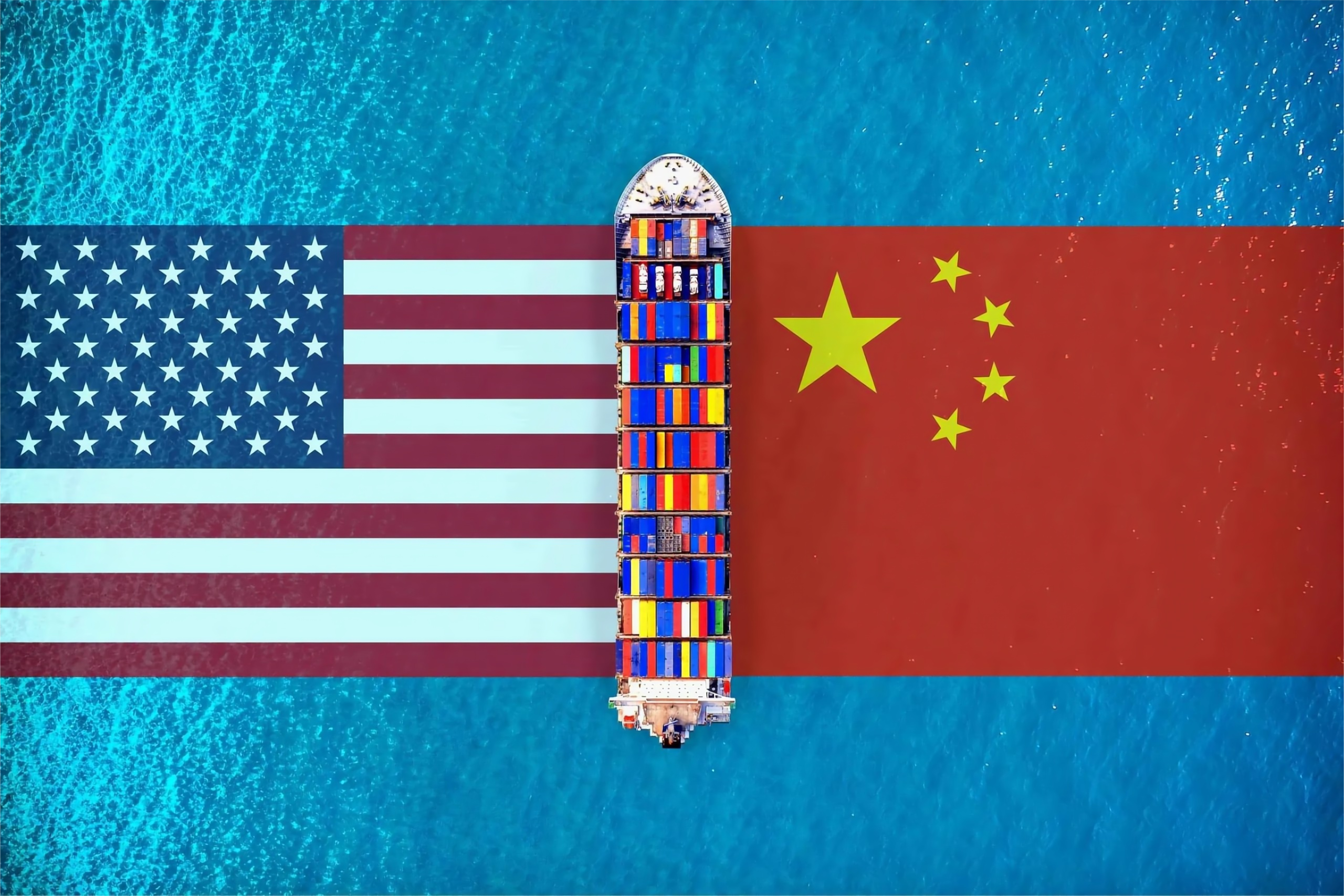
Determining the Best Container Size for Your Needs
Choosing the right container size is a critical step in the fcl shipping from china supplier process. Most international trade relies on three standard sizes: the 20GP, 40GP, and 40HQ. Each size offers different volume capacities and weight limits that can significantly impact your total landed cost.
Standard 20-foot containers (20GP) are ideal for heavy goods like machinery, minerals, or heavy furniture. On the other hand, the 40-foot High Cube (40HQ) is the preferred choice for light but voluminous items like clothing or plastic toys. Consequently, understanding the dimensions of your cargo will prevent you from paying for empty space or exceeding weight restrictions.
| Container Type | Internal Volume | Max Payload | Common Usage |
|---|---|---|---|
| 20GP (General) | 33 CBM | 28,000 kg | Heavy machinery, tiles |
| 40GP (General) | 67 CBM | 26,000 kg | Furniture, appliances |
| 40HQ (High Cube) | 76 CBM | 26,000 kg | Light retail goods, toys |
Managing Customs and Documentation Requirements
Documentation is often the most stressful part of international trade for new importers. Without the correct paperwork, your container could face lengthy delays or expensive storage fees at the port. Therefore, partnering with a reliable customs brokerage service is highly recommended to navigate complex regulations.
Essential documents usually include the Bill of Lading, Commercial Invoice, and Packing List. Additionally, some products may require specific certificates of origin or safety compliance reports. For instance, electronics often need CE or UL certifications to enter Western markets. If you fail to provide these, customs officials might reject the entire shipment.
To ensure a smooth transition, always verify that your supplier in China has the necessary export licenses. Meanwhile, you should confirm your own tax identification numbers and import permits in the destination country. Taking these proactive steps will significantly reduce the likelihood of your cargo being held for inspection.
Real-World Case Studies: FCL Shipping From China Supplier
Examining actual shipping scenarios can provide valuable context for your own logistics planning. These examples illustrate the costs and timelines associated with different global routes during the current market cycle. Please note that these figures are based on recent averages and are subject to market fluctuations.
Case Study 1: Electronics to the United States
Route: Shenzhen, China to Los Angeles, USA. Cargo: Consumer Electronics, 65 CBM. Container: 40HQ. Shipping Details: Major carrier direct service via Port of Shenzhen to Port of Los Angeles. Cost Breakdown: Ocean Freight: $3,200. Origin Charges: $450. Destination Charges: $600. Customs and Duties: $1,200. Total Landed Cost: $5,450. Timeline: Booking to Loading: 4 days. Sea Transit: 16 days. Customs Clearance: 3 days. Total Door-to-Door: 23 days. Key Insight: Choosing a direct route to the West Coast saved the client 10 days compared to an East Coast discharge.
Case Study 2: Furniture to Germany
Route: Ningbo, China to Hamburg, Germany. Cargo: Wooden Furniture, 28 CBM. Container: 20GP. Shipping Details: Transshipment via Singapore using COSCO. Cost Breakdown: Ocean Freight: $2,100. Origin Charges: $380. Destination Charges: $550. Customs and Duties: $800. Total Landed Cost: $3,830. Timeline: Booking to Loading: 5 days. Sea Transit: 32 days. Customs Clearance: 2 days. Total Door-to-Door: 39 days. Key Insight: While transshipment was slightly slower, it provided a $400 saving over direct premium services.

Cost-Saving Strategies for FCL Shipments
Reducing your logistics expenses requires careful planning and negotiation. One effective strategy is to book your shipments at least 2-3 weeks in advance to secure better rates and guaranteed space. Additionally, consider using a door to door service to consolidate your billing and reduce the number of middle-men involved.
Another tip is to avoid peak seasons if your inventory levels allow for flexibility. Typically, rates spike significantly in the weeks leading up to the Chinese New Year and during the late summer months. By shipping during the ‘slack’ season, you can often save hundreds of dollars per container. Furthermore, optimizing your packaging to fit as much product as possible into the container will lower your per-unit shipping cost.
Note: Freight rates are subject to change based on fuel costs, carrier capacity, and seasonal demand. Contact us for a current quote tailored to your specific shipment.
Which Option Should You Choose?
Decision-making in logistics often comes down to balancing speed against cost. If your primary goal is budget priority, then FCL sea freight is almost always the best choice for large volumes. However, if you are launching a new product on Amazon FBA and need stock immediately, a hybrid sea-air solution might be necessary.
Volume thresholds also play a major role in your decision. Once your shipment exceeds 15 CBM, the cost of an FCL 20GP container often becomes cheaper than paying for LCL space. In addition, if you are shipping to inland locations, consider using rail freight for a faster alternative to traditional sea routes. Always evaluate the total landed cost rather than just the initial freight quote.
Final Thoughts on FCL Logistics
In summary, fcl shipping from china supplier remains the most efficient and secure way to transport large volumes of goods across the globe. By understanding container sizes, managing your documentation, and choosing the right routes, you can significantly improve your business’s bottom line.
Professional logistics management is not just about moving boxes; it is about building a resilient supply chain. Whether you are a small business or a large enterprise, mastering these FCL strategies will provide a competitive edge in today’s fast-paced market.