

Protecting Importer VAT Recovery Path on China to Europe DDP
Meeting retail delivery dates demands flawless timing when securing China to Netherlands through customs and last mile. Buyers researching China National Day DDP shipping to Netherlands need auditable quotes and compliance checkpoints. Discrepancies in entry filings, Importer of Record (IOR) setup, and destination carrier handoffs often lead to dwell after the ocean or air leg looks complete. China Freight World provides end-to-end DDP milestone tracking so clearance and door delivery stay synchronized. This 2026 guide details door-to-door compliance gates and destination execution benchmarks.
Key Takeaways
Lock documents and Incoterms early for China National Day DDP shipping to Netherlands.
Confirm handoff SLAs and exception paths before cutoffs.
Validate live rates — published ranges drift with capacity.
Who Owns Importer of Record (IOR) Liability Under DDP Door Delivery?

To eliminate liability disputes during transit, service agreements must explicitly define whether the seller, forwarder, or a designated local proxy assumes the IOR function. When utilizing specialized forwarding services like Door to Door solutions, the operational framework should clearly delegate tax settlement tasks. Establishing this accountability early prevents unexpected demurrage charges and ensures seamless handoffs from ocean terminals to final destination trucking networks across the Netherlands. Confirm named owners for booking cut-offs, document packs, and free-time clocks in one shared ops brief before award. Map Incoterm risk transfer to who pays POD storage and who files the import entry so quotes do not hide idle-day exposure.
Managing customs clearance under Delivered Duty Paid terms requires explicit assignment of the Importer of Record to protect the seller from non-compliance penalties. Because foreign entities often lack a domestic tax presence, structured arrangements through fiscal representation or licensed forwarder networks become essential for legal compliance. When executing shipments from China to Europe, the entity acting as IOR bears full responsibility for filing accurate declarations, remitting statutory import VAT, and handling any post-clearance audits initiated by EU Customs authorities. Keep contingency routing on the same ops brief as the primary sailing award.
Operating without an authorized fiscal representative while offering all-inclusive pricing exposes the shipper to severe regulatory risks, including cargo seizures and retroactive duty assessments. European customs compliance demands that the declared commercial value matches transaction records, preventing under-invoicing strategies sometimes attempted by unverified suppliers. Utilizing an experienced logistics partner ensures that all origin documentation aligns with destination requirements before the cargo departs the port of loading. Reconcile product descriptions against official tariff schedules so valuation stays accurate before the entry is lodged. Write cargo-ready dates beside VGM and document cut-offs before the booking sheet is signed.
Common mistake: Assuming standard DDP quotes cover unexpected destination customs inspection and storage fees.
Risk alert: Operating without an authorized Importer of Record (IOR) can lead to permanent customs cargo seizure.
How Should Shippers Build All-In Landed-Cost Quotes Including Duties and Taxes?
The duty calculation engine must incorporate the correct Harmonized System code alongside theCIF-adjusted valuation to determine precise import tariffs enforced by EU Customs. Furthermore, statutory Import VAT must be factored into the cash flow projection, as delayed tax remittance can stall cargo release at the European entry port. Shippers should review historical tariff rates and utilize deferred accounting mechanisms where applicable to optimize working capital during high-volume replenishment cycles. Shippers should cross-verify line-item HS classifications against export packing lists to ensure declaration consistency. Name the broker SLA owner who escalates holds before storage charges start accruing.
Integrating ocean freight quotes with real-time customs tariffs guarantees that margin erosion is minimized before purchase orders are finalized with manufacturing partners. Whether moving containerized shipments via Sea Freight or specialized breakbulk, having a fixed cost structure prevents last-minute billing surprises. Transparent billing models empower supply chain managers to present accurate landed costs to internal stakeholders without fearing retroactive duty adjustments after final delivery. Reconcile ASN, carton marks, and consignee data before gate-in so destination release does not stall on mismatches. Separate ocean freight, THC, and destination demurrage on the quote so landed-cost owners can challenge storage days without reopening base rates.
With IOR liabilities defined, building an accurate landed-cost quotation requires consolidating ocean freight rates, China Customs Export Declaration fees, and destination tax estimations into a single transparent price. Shippers often fail to account for variable port handling charges, container demurrage, and unexpected inspection fees that accumulate during peak shipping windows like China National Day. By leveraging comprehensive Services, operators can pre-calculate duty thresholds based on exact commodity codes rather than relying on generalized percentage estimates. Publish named owners for customs release, equipment return, and re-delivery milestones. Flag bunker and peak-season surcharges as pass-through lines so finance teams do not treat them as controllable freight spend.
| Cost Component | Typical Assessment Base | Who Usually Pays | Planning Note |
|---|---|---|---|
| CIF / customs value | Goods value + freight + insurance (as declared) | Importer of record | Wrong valuation drives duty and Import VAT miscalculation |
| Import duty / tariff | % of customs value by HS chapter | Importer / DDP seller (by Incoterms) | Confirm HS binding before award |
| Import VAT | Duty-paid value (or local statutory base) | Importer / fiscal representative | Confirm statutory Import VAT filing basis before entry |
| Customs broker / clearance fee | Per entry or per shipment band | Importer / nominating party | Separates from freight; exams add extras |
| Exam / storage / disbursement | Event-driven (exam, demurrage, advance) | Importer / broker client account | Often outside base ocean/truck quote |
Common mistake: Treating DDP as port-to-port freight with duties somehow included later.
Risk alert: HS misclassification can reopen entries and trigger duty or VAT/GST reassessment.
How Does HS Misclassification Change the Prepaid DDP Duty Line?
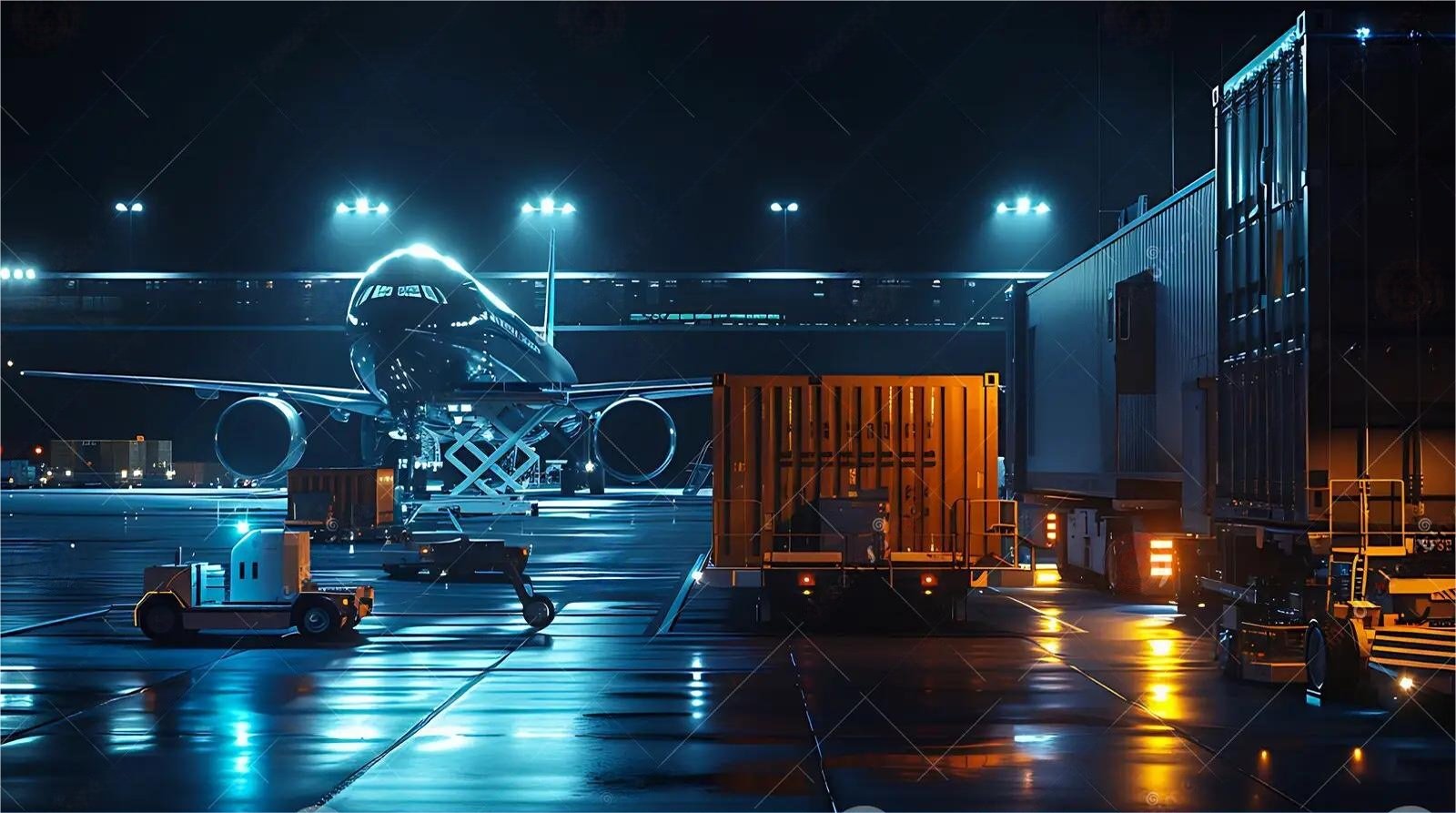
Building upon precise landed-cost models, accurate HS code assignment remains the single most critical variable influencing prepaid duty lines under DDP shipments. A misclassified product description on the China Customs Export Declaration inevitably triggers re-evaluations by EU Customs, resulting in unexpected duty adjustments and administrative fines. Because the seller absorbs all financial penalties under DDP agreements, verifying product specifications prior to export dispatch is vital for maintaining margin integrity. Keep commercial invoices aligned with packing lists so declaration mismatches do not trigger secondary exams. Confirm feeder connections and destination free-time clocks in the same award brief.
When customs authorities inspect incoming containers and discover discrepancies between declared commercial values and actual product utility, clearance holds can last for weeks, disrupting downstream distribution schedules. Automated ICS2 customs entry declaration (ENS) filings require strict adherence to standardized nomenclature to prevent automated red flags at the port of entry. Forwarders specializing in European trade lanes actively audit classification data to catch errors before cargo is loaded onto vessels. Hold an alternate feeder path when mainhaul blankings threaten the published ETA. Require line-item quotes that split base ocean from THC, delivery, and exam disbursements.
Resolving classification disputes proactively requires maintaining detailed technical datasheets, material composition reports, and historical ruling documents for every SKU managed within the logistics pipeline. Shippers who invest time in rigorous pre-shipment compliance audits significantly reduce their exposure to unexpected duty top-ups and delivery delays. Ensuring strict alignment between origin export filings and destination import requirements guarantees that duty-paid door delivery proceeds according to schedule. Defend destination free time with pre-alerts, broker SLAs, and delivery appointment locks before demurrage clocks start. Itemize peak surcharges, terminal handling, and exam disbursements so landed invoices never hide accessorial shock.
Common mistake: Confirming carrier cut-offs only after cargo is ready erodes peak-season options.
Risk alert: Transit milestone variance needs an explicit operational buffer before peak cutoffs.
Which Fees Are Often Excluded From Headline DDP Quotes?
Mitigating these financial surprises requires a rigorous pre-booking audit of the freight forwarder’s scope of work, specifically verifying whether local warehousing, customs agency fees, and last-mile truck dispatch are fully integrated. Shippers should demand an all-inclusive cost schedule that explicitly accounts for potential customs examination surcharges and out-of-gauge delivery requirements. This transparency ensures that the final landed cost matches the initial commercial forecast without unbudgeted destination add-ons. Lock document ownership early so broker cut-offs do not collide with terminal appointments. Confirm preferential origin proofs are attached before the entry pack is lodged.
Transitioning directly from managing HS code discrepancies, shippers often encounter unexpected variances when initial DDP proposals fail to bundle destination-side variables. Basic carrier tariffs typically cover ocean freight and primary port handling, but they omit terminal handling charges, container demurrage, and specialized equipment usage at European gateways. When forwarding partners omit these auxiliary expenses from the headline rate, consignees face sudden debit notes before cargo release can proceed. Lock cargo-ready windows against CY cut-offs so rolled sailings do not burn free equipment days. Separate contractual freight from peak GRI/PSS bands before finance signs the award sheet.
Beyond terminal fees, local administrative costs such as customs inspection fees, port storage tariffs, and veterinary or conformity check surcharges are frequently excluded from standard door-to-door quotations. If cargo is selected for a physical X-ray or manual inspection by EU Customs, inspection labor and warehouse staging fees add immediate cost overhead. Forwarders operating under true transparent agreements must itemize these contingency fees before cargo departs origin ports in China. Pre-alert destination free time and confirm empty-return windows before gate-out. Under FOB the buyer owns destination demurrage clocks; under CIF the seller’s freight cover still leaves local storage fees with the consignee.
| Cost Component | What Moves It | Buyer Checkpoint |
|---|---|---|
| Base freight | Mode, CBM/kg, peak GRI/PSS | Separate base from surcharges in quote |
| Origin handling | CFS, pickup, docs fee | Itemize vs all-in FOB/CIF |
| Destination charges | THC, delivery, storage | Free-time clocks in writing |
| Duties & Local Taxes | HS, Incoterms, valuation | Broker estimate before award |
| Accessorial risk | Demurrage, detention, exams | Named owners for holds |
Common mistake: Waiting for CY gate-in before locking inland haulage creates free-time exposure.
Risk alert: Blank sailings and roll risk require a documented contingency booking path.
How Does Import Customs Clearance Work When the Seller Pays Duty Under DDP?
The electronic filing process relies heavily on accurate data transmission through the ICS2 customs entry declaration (ENS) system prior to vessel arrival at the European discharge hub. Any mismatch between the declared HS codes, gross weight, or commercial description triggers an automated compliance hold by EU Customs authorities. To prevent dwell time, the forwarder’s compliance team must resolve discrepancies and present proof of duty settlement before customs will issue the final release order for inland trucking distribution. Track berth windows and hold an alternate sailing when blankings threaten the ETA. Align inland pickup with CY cut-offs so detention clocks do not start unexpectedly.
Managing this clearance workflow effectively also involves coordinating with specialized Customs Brokerage teams who understand both Chinese export compliance and European tax regulations. When the seller retains liability for duty payment, the broker facilitates the financial transaction through a deferred VAT account or direct duty disbursement, ensuring that the shipment transitions smoothly from bonded port storage into commercial circulation without requiring direct tax intervention from the final consignee. Publish detention owners for chassis return so invoice disputes stay tied to milestones. Choose DAP or DDP only when the seller can control last-mile delivery and local tax remittance; otherwise keep CIF with a named broker.
With excluded fee structures accounted for, the mechanics of import customs clearance under seller-paid duty arrangements require precise coordination between origin documentation and destination brokerage. Because the commercial invoice and packing list originate in China, the designated customs broker at the EU port of entry must file the import declaration referencing the seller’s or an appointed fiscal representative’s EORI number. This ensures that the statutory Import VAT and applicable customs duties are correctly calculated against the verified transaction value. Confirm who owns terminal release status once the local authority clears the entry.
Common mistake: Treating guide transit days as hard SLAs without buffer invites demurrage.
Risk alert: Port congestion can invalidate published ETAs — track actual vessel berth windows.
How Should Buyers Compare DDP vs DAP Before Awarding the Forwarder SOW?
Building upon the customs clearance workflow, corporate logistics managers must evaluate whether a Delivered Duty Paid or Delivered at Place Incoterm best serves their operational risk profile before signing service agreements. Under DAP terms, the seller delivers the cargo ready for unloading at the named destination, but the buyer assumes formal responsibility for acting as Importer of Record, paying import duties, and settling local taxes. This division of labor shifts regulatory compliance burdens onto the destination entity. Itemize peak surcharges, terminal handling, and exam disbursements on the landed invoice. Treat free-time erosion as a controllable cost driver on every corridor award.
Conversely, choosing DDP shifts total compliance ownership, duty calculation risks, and tax settlement obligations entirely onto the seller or their contracted logistics provider. While DDP offers maximum convenience for buyers who lack local tax registration or import infrastructure in Europe, it introduces financial exposure if the forwarder underestimates duty rates or fails to manage customs valuations correctly. Buyers must weigh the administrative ease of turnkey delivery against the potential for inflated service markups embedded in all-inclusive pricing. Reconcile ASN, carton marks, and consignee data before gate-in stalls destination release.
When finalizing the forwarder’s scope of work, procurement teams should request split-cost scenarios contrasting DAP baseline freight against fully managed DDP execution models. This comparative analysis highlights exactly where risk premiums are applied and allows supply chain leaders to determine whether internal customs management or outsourced prepaid logistics delivers superior cost efficiency and schedule predictability for their European inventory pipelines. Keep broker response SLAs on the same brief as destination delivery appointments. Confirm empty-return windows before detention clocks start after gate-out. Pre-clear packing-list piece counts against the commercial invoice before CFS gate-in.
| Equipment Type | Internal Volume (CBM) | Max Payload (kg / lbs) | Optimal Commodity Fit |
|---|---|---|---|
| 20ft Standard (20GP) | 28–30 CBM (26 usable) | 21,800 kg / 48,000 lbs | Dense, heavy cargo (machinery, auto parts, metals) |
| 40ft Standard (40GP) | 58–60 CBM (54 usable) | 26,500 kg / 58,400 lbs | General packaged cargo, standard palletized loads |
| 40ft High Cube (40HQ) | 68–76 CBM (68 usable) | 26,500 kg / 58,400 lbs | Bulky, lightweight goods (furniture, textiles, electronics) |
| 45ft High Cube (45HQ) | 85–86 CBM (78 usable) | 27,500 kg / 60,600 lbs | High-volume consumer retail distribution |
Common mistake: Skipping pre-alert ASN accuracy checks causes warehouse refusal loops.
Risk alert: Document holds at destination delay last-mile release even when the vessel is on time.
Decision Framework
By volume: Low CBM favors LCL or groupage into an EU hub; full wagon / 40HQ lots justify direct China–EU rail or ocean with scheduled last-mile trucking.
By speed: Air DDP bypasses holiday port congestion.
By cargo profile: Confirm EORI, ENS/ICS2, and any product conformity marks before hub discharge.
Real-World Corridor Case Studies
A consumer electronics shipper routed battery-declared cartons via Chengdu to Hamburg on a scoped rail corridor. Documentation and packing-list alignment preceded block-train departure, keeping terminal dwell inside negotiated free time.
DDP Execution Plan: Duty-Paid Door Delivery in 2026
Reliable China to Netherlands hinges on IOR clarity, declared-value accuracy, and prepaid duty settlement on China to Europe.
Treat customs liability and last-mile delivery as one locked workflow—not separate afterthoughts. Keep this checklist handy when advancing a China National Day DDP shipping to Netherlands.
Process and Checkpoints
Origin Consolidation & Cargo Intake
Collect multi-supplier lots, verify packing lists, and stage cargo for export under DDP scope.
Export Customs Declaration
File China export declaration with commercial invoice, packing list, and HS codes aligned to declared value.
Mainhaul Transit (Air/Ocean)
Move freight on booked air or ocean service with DDP liabilities retained by seller/forwarder.
Destination Duty-Paid Clearance
Act as or appoint IOR, pay duties/taxes, and secure customs release before last-mile dispatch.
Bonded Hand-off & Tax Settlement
Reconcile duty receipts, release holds, and confirm tax settlement against the commercial invoice.
Final-Mile Door Delivery
Deliver duty-paid cargo to the consignee door and close the DDP shipment file.
Confirm the right route for your shipment
Secure Your National Day Logistics Avoid holiday rollovers and Dutch customs delays with our guaranteed DDP shipping solutions from China. Get a Quote
Request a route reviewFrequently Asked Questions
What is the Importer of Record (IOR) role under DDP door delivery?
The IOR is legally responsible for entry filings, duties, and compliance; without one, cargo can be seized. Confirm CY or CFS cut-offs before cargo is tendered on this corridor.
Which fees are often excluded from headline DDP quotes?
Customs exams, liftgate/residential delivery, and storage during tax review frequently sit outside base DDP. Name the broker owner for entry data before free-time clocks start. Reconcile packing-list piece counts with the commercial invoice pack early.
How does HS code misclassification change the all-in DDP duty line?
Wrong HS chapters can raise duty rates materially and trigger amendments, exams, or duty reassessment. Pre-alert destination release so terminal dwell does not erode free time. Lock empty-return windows before detention accrues after gate-out.
How can shippers control demurrage, detention, or terminal storage after a customs hold?
Pre-lodge entry data, keep HS/value packs audit-ready, and escalate broker responses inside free time before last-mile trucks are dispatched. Validate HS codes and preferential proofs inside the invoice pack before tender.
How should DDP buyers verify destination duty and tax cash-out before cargo sails?
Lock HS, commercial value, and Incoterms with the destination broker early so prepaid DDP quotes match actual duty and tax cash-out at entry. Lock empty-return windows before detention accrues after gate-out.
What happens if destination customs holds a DDP shipment for exam?
Exam fees plus yard or terminal storage accrue until release—even when freight and duties were prepaid under DDP. Validate HS codes and preferential proofs inside the invoice pack before tender.
Rates, transit times, and accessorials change with capacity, fuel, and peak-season surcharges. Treat figures as planning ranges — confirm a live quote before booking.
This guide is operational education, not legal, customs, or insurance advice. Validate filings and coverage with licensed partners for your shipment.