

China Export Logistics Company Custom Clearance: The Ultimate Guide
“Navigating the complexities of international trade requires a reliable partner to manage your supply chain effectively. Many businesses struggle with the intricate regulations involved in moving goods across borders, which is where a professional China Freight World logistics partner becomes essential. Choosing the right china export logistics company custom clearance service ensures your cargo reaches its destination without unnecessary delays or unexpected costs. This comprehensive guide will explore the essential aspects of export logistics, customs procedures, and shipping strategies to help you optimize your global operations.”
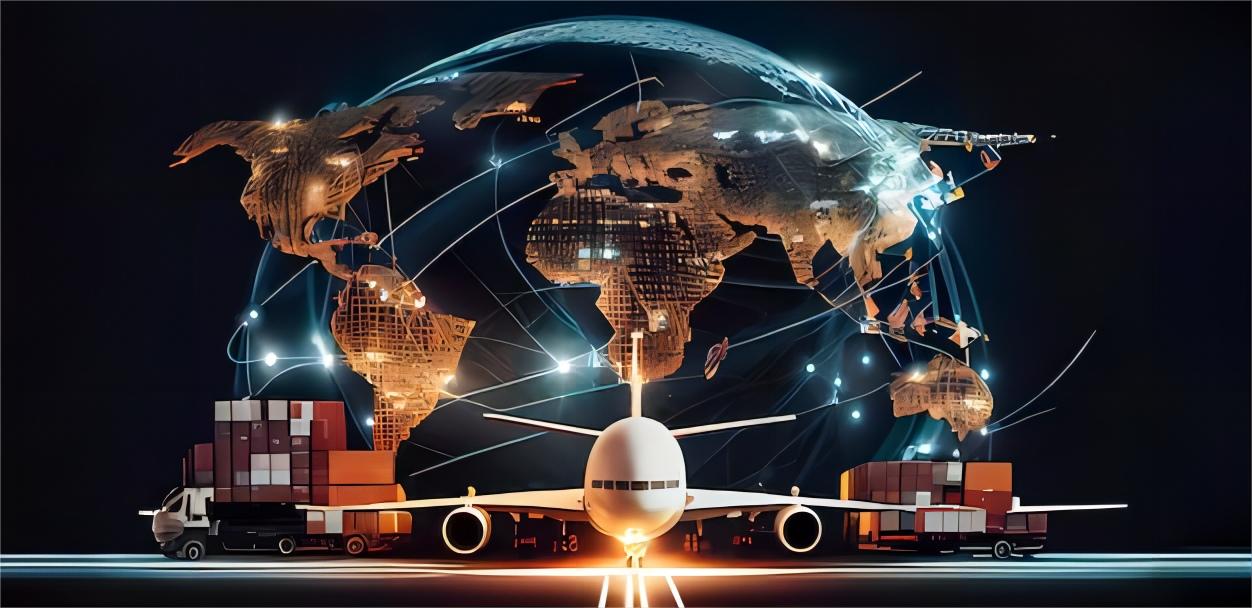
What is the Role of a China Export Logistics Company Custom Clearance Expert?
❖Expert logistics providers act as the bridge between your manufacturing base in China and your customers worldwide. They handle the physical movement of goods while ensuring all legal requirements are met at every checkpoint. Consequently, they mitigate the risks of cargo seizure or heavy fines from customs authorities.
Professional customs brokerage services are vital for identifying the correct Harmonized System (HS) codes for your products. These codes determine the duty rates and regulatory requirements for your specific items. Moreover, a dedicated logistics partner will manage the communication with port officials to expedite the release of your shipment.
Digital transformation in the logistics sector has allowed companies to provide real-time tracking and automated documentation. This visibility is crucial for modern supply chains that rely on just-in-time inventory management. Therefore, working with a tech-forward logistics firm can significantly improve your operational efficiency and customer satisfaction.
Essential Documentation for China Export Logistics
❖Proper documentation is the backbone of any successful export operation from China. Without the correct paperwork, your shipment may be held at the port of loading or rejected at the destination. Specifically, you must provide a Commercial Invoice, a Packing List, and a Bill of Lading for every international shipment.
Additional certificates might be required depending on the nature of your cargo and the destination country. For instance, a Certificate of Origin is often necessary to benefit from preferential trade agreements. Furthermore, specialized products like chemicals or electronics may require safety data sheets or compliance certifications.
Logistics providers often assist in drafting these documents to ensure they meet international standards. They verify that the descriptions and values on the invoice match the physical cargo. Accordingly, this attention to detail prevents discrepancies that could trigger time-consuming customs audits.
| Commercial Invoice | Proof of Sale/Value | Customs/Banks | Digital/Paper |
| Packing List | Cargo Details | Warehouse/Customs | PDF/XLS |
| Bill of Lading | Title of Goods | Carrier/Consignee | Original/Telex |
| Certificate of Origin | Duty Calculation | Import Customs | Official Stamp |
How Does Sea Freight Compare to Other Shipping Options?
❖Selecting the right transport mode is a critical decision that impacts both your budget and your delivery schedule. While sea freight remains the most cost-effective solution for large volumes, it requires longer lead times. Businesses often choose this method for non-urgent bulk shipments or heavy industrial equipment.
Air freight offers unparalleled speed but comes at a significantly higher price point. If you are shipping high-value electronics or perishable goods, the speed of air freight justifies the additional expense. Indeed, transit times can be reduced from weeks to just a few days when using air transport.
Rail freight serves as a middle ground for shipments between China and Europe. It provides faster delivery than sea freight while remaining more affordable than air transport. Nevertheless, rail options are limited by geography and infrastructure, making them unsuitable for routes to North America or Australia.
| Sea Freight | $2,000 – $4,500 | 25 – 45 Days | Bulk/Large Cargo |
| Air Freight | $5.00 – $12.00/kg | 3 – 7 Days | Urgent/High Value |
| Rail Freight | $4,000 – $7,000 | 15 – 22 Days | China to Europe |
| Express | $8.00 – $15.00/kg | 2 – 5 Days | Samples/Small |
Which Option Should You Choose? Decision Framework
❖Budget priority dictates that you should consolidate your shipments and utilize ocean transport whenever possible. For shipments under 15 CBM, Less than Container Load (LCL) is often the most economical choice. Conversely, for larger volumes, a Full Container Load (FCL) provides better security and lower per-unit costs.
Speed priority necessitates the use of air or express services to meet tight deadlines. If your inventory levels are low and you risk stockouts, the higher freight rates are a necessary investment. Additionally, consider hybrid sea-air solutions to balance cost and speed for certain international routes.
Cargo type considerations also play a major role in your final decision. Hazardous materials or oversized equipment may only be permitted on specific vessels or aircraft. To summarize, you must evaluate your cargo dimensions, weight, and urgency before committing to a specific logistics strategy.
Real Case Studies: Successful Export Logistics from China
❖Case studies provide valuable insights into the practical challenges and solutions found in international shipping. These examples reflect real-world scenarios handled by professional logistics companies in the current market. By reviewing these cases, you can better understand the timeline and cost structures involved in global trade.
Case Study 1: Electronics Export to Los Angeles. A manufacturer needed to ship 40HQ containers of consumer electronics from Shenzhen to California. By utilizing a direct sea route and prepaying customs duties, the shipment arrived at the warehouse in 16 days. The total landed cost was optimized through efficient container loading and port selection.
Case Study 2: Fashion Apparel to London. A boutique brand required urgent delivery of seasonal clothing from Ningbo to the UK. Due to the high value and time sensitivity, air freight was selected. The logistics team managed the complex textile customs documentation, ensuring the goods cleared customs in just 24 hours upon arrival.
Case Study 1: Electronics to USA West Coast
+———————————————————+
| Route: Shenzhen, China -> Los Angeles, USA
| Cargo: Consumer Electronics, 68 CBM, 18,000 kg
| Container: 40HQ Full Container Load
|
| Shipping Details:
| – Carrier/Service: Major Ocean Carrier
| – Port of Loading: Shenzhen (Yantian)
| – Port of Discharge: Port of Los Angeles
| – Route Type: Direct Service
|
| Cost Breakdown:
| – Ocean Freight: $3,200
| – Origin Charges: $450
| – Destination Charges: $650
| – Customs & Duties: $1,200
| – Total Landed Cost: $5,500
|
| Timeline:
| – Booking to Loading: 3 days
| – Sea Transit: 15 days
| – Customs Clearance: 2 days
| – Total Door-to-Door: 22 days
|
| Key Insight: Direct routes save significant time during peak seasons.
+———————————————————+
Case Study 2: Industrial Parts to Germany
+———————————————————+
| Route: Shanghai, China -> Hamburg, Germany
| Cargo: Machined Auto Parts, 12 CBM, 4,500 kg
| Container: LCL (Less than Container Load)
|
| Shipping Details:
| – Carrier/Service: LCL Consolidation
| – Port of Loading: Shanghai Port
| – Port of Discharge: Hamburg Port
| – Route Type: Transshipment via Singapore
|
| Cost Breakdown:
| – Ocean Freight: $960 ($80/CBM)
| – Origin Charges: $320
| – Destination Charges: $580
| – Customs & Duties: $850
| – Total Landed Cost: $2,710
|
| Timeline:
| – Booking to Loading: 5 days
| – Sea Transit: 34 days
| – Customs Clearance: 3 days
| – Total Door-to-Door: 45 days
|
| Key Insight: LCL is highly cost-effective for mid-sized shipments.
+———————————————————+
Cost-Saving Strategies for China Export Logistics
❖Reducing your shipping expenses requires a proactive approach to supply chain management. One effective method is to utilize door to door services that bundle all costs into a single rate. This transparency helps you avoid hidden fees at the destination port and simplifies your accounting processes.
Consolidating shipments from multiple suppliers into a single container can also yield significant savings. Instead of paying for several small LCL shipments, you can arrange for a buyer’s consolidation at a central warehouse in China. Consequently, you benefit from FCL rates and reduced handling charges.
Negotiating long-term contracts with freight forwarders can provide stability in a volatile market. While spot rates might occasionally be lower, a fixed contract protects you from sudden price spikes during peak shipping seasons. Furthermore, always request quotes from multiple providers to ensure you are receiving competitive market rates.
Managing Amazon FBA Logistics from China
❖Selling on international marketplaces requires specialized logistics knowledge to meet strict delivery and labeling requirements. Utilizing a dedicated Amazon FBA shipping service ensures your products are prepared according to Amazon’s standards. This includes proper palletization, labeling, and appointment scheduling at the fulfillment center.
Customs clearance for FBA shipments can be particularly complex due to the need for a registered Importer of Record (IOR). Many logistics companies offer DDP (Delivered Duty Paid) services to handle all taxes and duties on your behalf. As a result, your goods flow seamlessly into the Amazon network without any intervention required from your side.
Inventory planning is crucial for FBA sellers to avoid long-term storage fees or out-of-stock scenarios. Reliable logistics partners provide data-driven transit time estimates to help you time your reorders perfectly. Notably, during Q4 holiday seasons, you should allow for an extra 2-3 weeks of lead time to account for port congestion.
Current Trends in China Export Logistics and Custom Clearance
❖Recent market data suggests that freight rates have stabilized in early 2024 following the disruptions of previous years. However, geopolitical factors and fuel price fluctuations continue to influence shipping costs globally. Staying informed about these trends allows you to adjust your pricing and inventory strategies accordingly.
Sustainability is becoming a major focus in the logistics industry, with many carriers investing in greener vessels and alternative fuels. Some companies now offer carbon offset programs for their clients who wish to reduce their environmental impact. Indeed, choosing an eco-conscious partner can enhance your brand reputation among environmentally aware consumers.
Automation and AI are streamlining the customs clearance process by predicting potential delays and optimizing route planning. Logistics companies that adopt these technologies can provide more accurate delivery windows and faster problem resolution. Ultimately, the future of China export logistics lies in the seamless integration of technology and physical transport.
Final Thoughts on Export Logistics from China
To summarize, successful international shipping relies on a combination of strategic planning, accurate documentation, and the right logistics partner. By understanding the various shipping methods and the nuances of china export logistics company custom clearance, you can build a more resilient and cost-effective supply chain.
Market conditions will always fluctuate, but the principles of efficient logistics remain constant. Focus on consolidation, proper HS code classification, and clear communication with your freight forwarder to achieve long-term success. Contact us today to learn how we can optimize your shipping operations from China to the world.
Note: Freight rates are subject to change based on fuel costs, carrier capacity, and seasonal demand. Contact us for a current quote tailored to your specific shipment.
Ready to streamline your logistics?
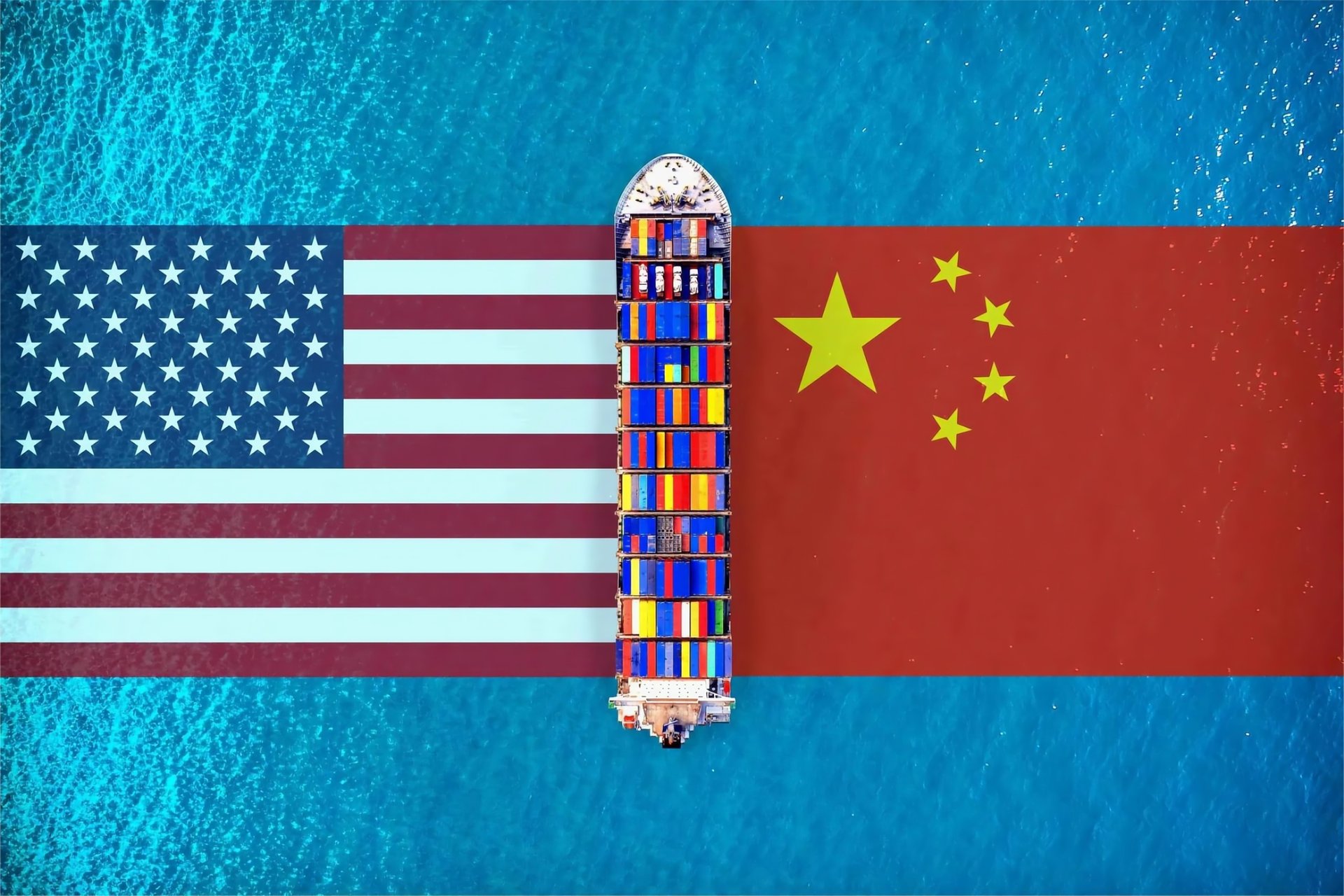
Streamline your global trade today by partnering with an expert china export logistics company custom clearance provider. Our team is ready to handle your complex shipping needs and ensure your cargo arrives safely and on time. Send Inquiry for a personalized quote tailored to your business requirements.
Request Quote