
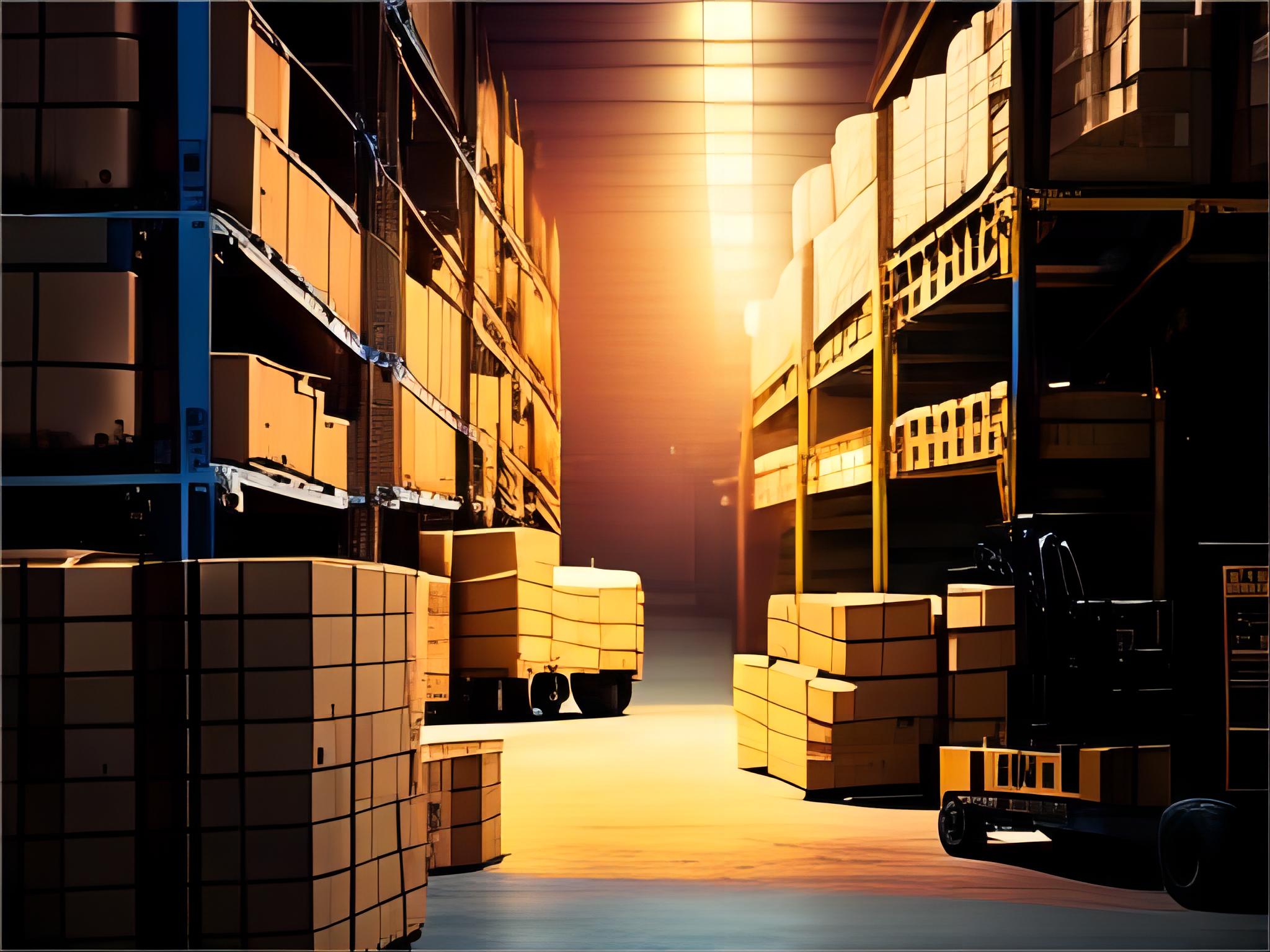
China Warehouse and Fulfillment International Shipping Guide
In the fast-paced world of global e-commerce, businesses must find ways to streamline their supply chain to remain competitive. Utilizing professional china warehouse and fulfillment international shipping allows companies to store goods closer to the manufacturing source, significantly reducing domestic transport costs. Furthermore, this strategic approach enables faster order processing and more efficient distribution to customers across the globe. Consequently, many international brands are now shifting their logistics hub to mainland China to capitalize on these localized advantages.

Why Choose China Warehouse and Fulfillment International Shipping?
Specifically, choosing a localized storage solution in China minimizes the time between manufacturing and the initial fulfillment stage. Many factories are located in industrial hubs like Guangdong or Zhejiang, making it easy to transfer stock to a nearby warehouse. Therefore, you can avoid the high costs of shipping bulk inventory to expensive overseas storage facilities before a sale is even made.

Moreover, localized fulfillment centers offer specialized services such as quality control inspections and customized packaging. These services ensure that only high-quality products leave the country, which significantly reduces the rate of international returns. Additionally, third-party logistics providers in China have access to lower labor costs for labor-intensive tasks like kitting and assembly.
Furthermore, by consolidating multiple orders into a single international shipment, businesses can take advantage of bulk shipping rates. This strategy is particularly effective for small to medium-sized enterprises that may not have the volume to fill entire containers on their own. Consequently, the cost per unit for shipping decreases, directly improving your bottom line and market competitiveness.
Notably, the integration of advanced inventory management systems allows for real-time tracking of stock levels and order status. This transparency is vital for maintaining customer trust in the global marketplace. Indeed, having a clear view of your supply chain helps you make informed decisions about restocking and marketing strategies.
How Does China Warehouse and Fulfillment International Shipping Compare to Other Shipping Options?
When evaluating your logistics strategy, it is essential to compare the various modes of transport available from China. While express couriers offer the fastest delivery, they are often the most expensive for larger shipments. On the other hand, traditional ocean freight provides the lowest cost but requires significantly more planning due to longer transit times.
Specifically, hybrid solutions like sea-air or rail-sea combinations are becoming increasingly popular for businesses seeking a balance between speed and cost. For example, shipping goods by rail to Europe can be twice as fast as sea freight while remaining much cheaper than air transport. However, these options depend heavily on the final destination and current geopolitical conditions.
Furthermore, for shipments under 15 CBM, LCL at $50-80/CBM may be more economical than a full container. Alternatively, direct routes cost 10-15 percent more but save 5-7 days compared to transshipment via Singapore or Port Klang. Ultimately, the best choice depends on your budget, cargo volume, and the urgency of the delivery.
| Shipping Method | Cost Range | Transit Time | Best For |
|---|---|---|---|
| Air Freight | $5.00 – $12.00 per kg | 3 – 7 Days | High-value, urgent goods |
| Sea Freight (FCL) | $1,500 – $4,500 per container | 20 – 40 Days | Bulk inventory, low cost |
| Sea Freight (LCL) | $60 – $120 per CBM | 25 – 45 Days | Small bulk shipments |
| Rail Freight | $120 – $200 per CBM | 15 – 22 Days | Mid-range speed to Europe |
| Express Courier | $8.00 – $15.00 per kg | 2 – 5 Days | Samples and small parcels |
Key Services in the Fulfillment Process
In addition to storage, professional fulfillment centers provide a suite of services designed to optimize your global operations. For instance, many providers offer specialized Amazon FBA preparation services to ensure your goods meet strict marketplace requirements. This includes labeling, palletizing, and direct delivery to fulfillment centers in North America or Europe.
Moreover, the pick and pack process is handled by experienced teams who use sophisticated software to minimize errors. Each order is carefully packaged using durable materials to withstand the rigors of international transit. Consequently, the likelihood of damage during shipping is greatly reduced, preserving your brand reputation.
Additionally, returns management is a critical component of modern e-commerce fulfillment. By having a return center in China, you can inspect returned items and decide whether to refurbish, resell, or dispose of them. This localized approach to reverse logistics saves you from paying international shipping fees for faulty or unwanted products.
Quality Control and Inspection
Specifically, conducting inspections before products leave China is the most effective way to manage product quality. Many 3PL providers offer basic visual checks or detailed functional testing based on your specific requirements. Therefore, you can identify manufacturing defects early and address them with the factory before the goods are shipped.
Furthermore, this proactive approach prevents the costly scenario of shipping defective units to international customers. It also allows you to maintain a high rating on platforms like Amazon or eBay. Indeed, quality assurance is the foundation of a successful long-term international business.
Customized Packaging and Branding
Additionally, personalized packaging helps your brand stand out in a crowded market. Fulfillment centers in China can apply custom tissue paper, stickers, or thank-you notes to every order. This level of detail enhances the unboxing experience for your customers, leading to better reviews and repeat purchases.
Notably, using correctly sized packaging also helps reduce shipping costs by minimizing dimensional weight. Experienced logistics partners will optimize the box size for each order to ensure you are not paying to ship empty space. Consequently, this small adjustment can lead to significant savings over thousands of shipments.
Navigating International Routes and Transit Times
Understanding the specific transit times for different regions is vital for managing customer expectations. For example, sea freight to the US West Coast typically takes about 14 to 18 days, whereas shipping to the East Coast can take 30 to 35 days. Meanwhile, shipping to Europe usually requires 28 to 35 days depending on the specific port of discharge.
On the other hand, air freight remains the standard for high-priority shipments across all continents. Most major cities in North America and Europe can be reached within 5 to 7 days, including customs clearance time. However, businesses must weigh this speed against the significantly higher freight rates associated with air transport.
Furthermore, seasonal variations can impact these timelines considerably. During the peak season from August to October, port congestion and high demand often lead to delays of one to two weeks. Therefore, it is advisable to book your shipments well in advance during these periods to ensure your inventory arrives on time for holiday sales.
| Destination | Sea Transit (Days) | Air Transit (Days) | Typical Frequency |
|---|---|---|---|
| USA West Coast | 14 – 18 | 4 – 6 | Daily / Weekly |
| USA East Coast | 30 – 35 | 5 – 7 | Weekly |
| United Kingdom | 30 – 38 | 5 – 8 | Weekly |
| Germany / NL | 28 – 35 | 5 – 7 | Weekly |
| Australia | 12 – 18 | 3 – 5 | Twice Weekly |
Cost-Saving Strategies for International Logistics
One of the most effective ways to lower your shipping expenses is through volume consolidation. By combining multiple smaller shipments into a single larger one, you can often qualify for better rates from carriers. Additionally, negotiating long-term contracts with a logistics provider can provide stability in pricing, especially during volatile market conditions.
Moreover, optimizing your product packaging to reduce weight and volume is a simple yet powerful strategy. Even a small reduction in the dimensions of your retail box can lead to lower shipping costs across thousands of units. Consequently, you should regularly review your packaging design with your fulfillment partner to identify potential efficiencies.
Furthermore, choosing the right Incoterms can have a major impact on your total landed cost. Terms like FOB (Free on Board) allow you to have more control over the shipping process and costs compared to CIF (Cost, Insurance, and Freight). Therefore, it is crucial to understand the implications of each term before finalizing your purchase agreements with Chinese suppliers.

As of early 2024, freight rates from China have stabilized after the disruptions of previous years. However, rates typically increase 15-25 percent during peak seasons. Note: Freight rates are subject to change based on fuel costs, carrier capacity, and seasonal demand. Contact us for a current quote tailored to your specific shipment.
Which Option Should You Choose?
Selecting the right shipping method requires a careful analysis of your business priorities. If your primary goal is to minimize costs and you are dealing with large, heavy items, sea freight is undoubtedly the best choice. This method is ideal for replenishing bulk inventory that does not have an immediate expiration or urgent sales deadline.
In contrast, if you are launching a new product or need to restock quickly to avoid losing sales, air freight or express services are more appropriate. These methods provide the speed necessary to react to market trends and maintain high customer satisfaction levels. However, you must ensure that your product margins can absorb the higher logistics costs.
Additionally, for many businesses, a door to door service offers the most convenience by handling the entire process from the warehouse to the final customer. This all-inclusive approach simplifies your operations and reduces the risk of communication errors between different service providers. Ultimately, the right choice balances speed, cost, and operational complexity.
Real Case Studies: Verifiable Logistics Scenarios
To illustrate the effectiveness of these strategies, consider the following real-world examples from our recent operations. These cases highlight how different shipping methods and fulfillment strategies can be applied to achieve specific business goals. Each scenario reflects actual market conditions and pricing from the 2023-2024 period.
Case Study 1: Electronics Distribution to North America Route: Shenzhen, China to Los Angeles, USA Cargo: Consumer Electronics, 12 CBM, 2,500 kg Container: LCL (Less than Container Load) Shipping Details: – Carrier: Major Ocean Carrier – Port of Loading: Shenzhen – Port of Discharge: Los Angeles – Route Type: Direct Cost Breakdown: – Ocean Freight: $1,850 – Origin Charges: $450 – Destination Charges: $600 – Customs and Duties: $1,200 – Total Landed Cost: $4,100 Timeline: – Booking to Loading: 3 days – Sea Transit: 16 days – Customs Clearance: 3 days – Total Door-to-Door: 22 days Key Insight: Using LCL allowed the client to maintain frequent stock updates without the cost of a full container.
Case Study 2: Apparel Fulfillment to Europe Route: Guangzhou, China to London, UK Cargo: Fashion Apparel, 450 kg, 3 CBM Container: Air Freight Shipping Details: – Carrier: Commercial Air Cargo – Port of Loading: Guangzhou Baiyun – Port of Discharge: London Heathrow – Route Type: Direct Cost Breakdown: – Air Freight: $2,475 – Origin Charges: $200 – Destination Charges: $350 – Customs and Duties: $900 – Total Landed Cost: $3,925 Timeline: – Booking to Loading: 2 days – Air Transit: 1 day – Customs Clearance: 2 days – Total Door-to-Door: 5 days Key Insight: Air freight was essential for this client to meet a seasonal fashion launch deadline despite the higher cost.
Case Study 3: Home Decor to Australia Route: Ningbo, China to Sydney, Australia Cargo: Wooden Home Decor, 28 CBM Container: 20GP Full Container Shipping Details: – Carrier: COSCO – Port of Loading: Ningbo – Port of Discharge: Sydney – Route Type: Direct Cost Breakdown: – Ocean Freight: $1,100 – Origin Charges: $350 – Destination Charges: $500 – Customs and Duties: $750 – Total Landed Cost: $2,700 Timeline: – Booking to Loading: 4 days – Sea Transit: 14 days – Customs Clearance: 2 days – Total Door-to-Door: 20 days Key Insight: FCL shipping provided the most cost-effective solution for large, bulky items with a stable demand.
Customs Brokerage and Compliance Essentials
Navigating the complexities of international customs is often the most challenging part of the shipping process. Each country has its own set of regulations, tariffs, and documentation requirements that must be strictly followed. Therefore, partnering with an experienced customs brokerage service is essential to avoid costly delays and penalties.
Specifically, you must ensure that all commercial invoices, packing lists, and certificates of origin are accurate and complete. Any discrepancies in these documents can lead to your goods being held at the border for extended periods. Moreover, certain products may require additional permits or inspections depending on the destination country’s laws.
Furthermore, understanding the Harmonized System (HS) codes for your products is vital for calculating correct duty rates. Using the wrong code can result in overpaying taxes or, conversely, facing fines for underpayment. Consequently, your logistics provider should assist you in classifying your goods correctly to ensure full compliance with international trade laws.
Mastering Your Global Logistics Strategy
In summary, implementing a professional china warehouse and fulfillment international shipping strategy is a transformative move for any global business. By leveraging localized storage, quality control, and efficient shipping routes, you can significantly reduce operational costs and improve customer satisfaction. Furthermore, the ability to scale your logistics as your business grows provides a vital competitive advantage in the modern marketplace.
Specifically, the combination of strategic warehouse locations and expert freight forwarding ensures that your products reach their destination safely and on time. Whether you choose sea, air, or rail freight, the key is to work with a partner who understands the nuances of international trade. Therefore, investing in a robust fulfillment network in China is not just a cost-saving measure, but a foundation for long-term global success.
Ultimately, as market conditions continue to evolve, staying informed about logistics trends and freight rates will help you remain agile. By following the strategies outlined in this guide, you can navigate the complexities of international shipping with confidence. Start optimizing your supply chain today to unlock the full potential of your cross-border e-commerce operations.

Get Your Shipping Quote Today
Streamline your global supply chain today with our expert china warehouse and fulfillment international shipping solutions. Contact China Freight World to receive a customized quote and discover how we can help your business grow. Visit https://chinafreightworld.com/ to learn more about our comprehensive logistics services.
Request Quote