

China to France Sea Freight Bulk Order: The Ultimate 2024 Guide
“Managing a China to France sea freight bulk order requires meticulous planning and a deep understanding of international logistics. Businesses often face challenges with fluctuating container rates and complex customs regulations when importing large volumes. This comprehensive guide provides actionable strategies to streamline your supply chain and significantly reduce your total landed costs.”
What Defines a China to France Sea Freight Bulk Order?
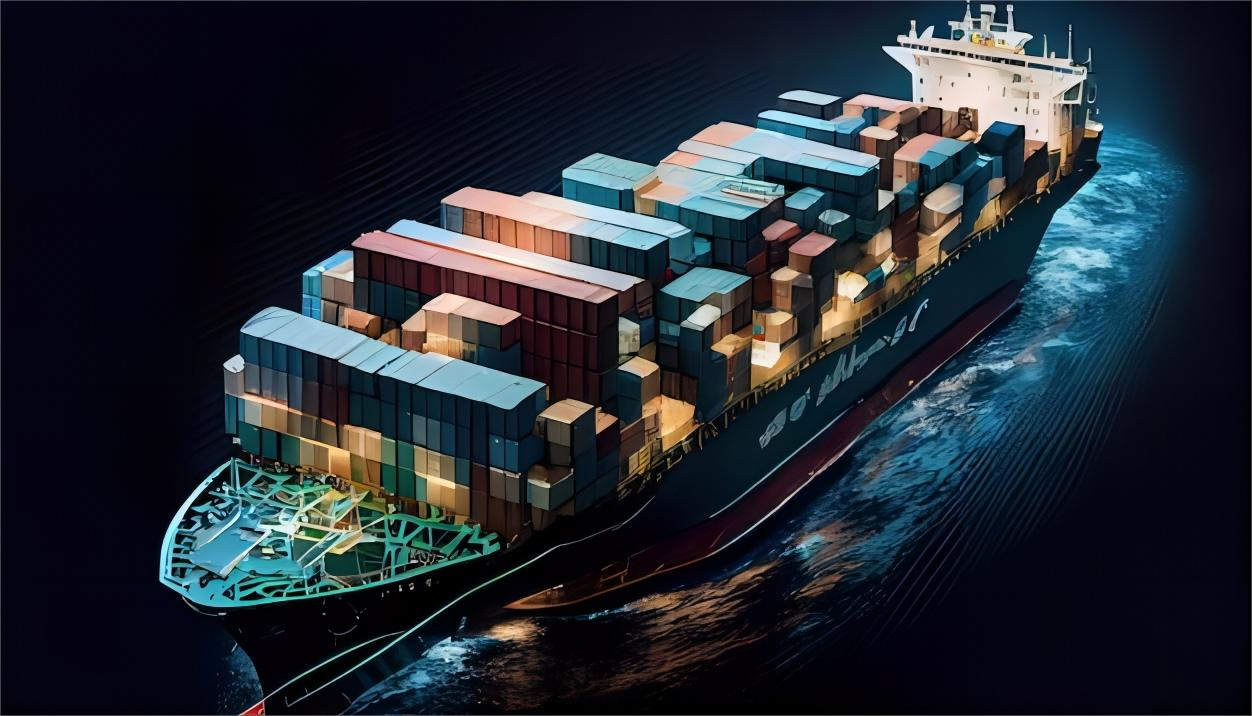
❖Bulk orders typically involve high-volume shipments that utilize full container loads or significant portions of cargo space. When you organize a China to France sea freight bulk order, you are usually dealing with commodities like textiles, electronics, or industrial machinery. Consequently, these shipments require specialized handling and strategic scheduling to ensure timely arrival at French ports.
Importers often distinguish between general cargo and bulk shipments based on the total cubic meters or weight involved. For example, a shipment exceeding 15 cubic meters is often treated as a bulk logistics project rather than a standard retail delivery. Furthermore, large-scale orders allow businesses to take advantage of economies of scale, reducing the price per unit significantly.
Understanding the nuances of maritime transport is essential for any business looking to expand its footprint in the European market. Moreover, the choice between different vessel types and container specifications can impact your bottom line. Therefore, selecting the right partner to manage these complexities is the first step toward a successful international trade operation.
How to Estimate Costs for Large Volume Shipments?
❖Calculating the total expense for a sea freight bulk order involves more than just the base ocean rate. You must account for fuel surcharges, terminal handling charges, and seasonal price spikes that occur during peak shipping months. Additionally, market data suggests that rates can fluctuate by as much as 20 percent between the low and high seasons.
Current market conditions in early 2024 show that freight rates from China to Europe have stabilized after recent global disruptions. However, port congestion and labor availability in France can still lead to unexpected destination charges. Meanwhile, businesses should monitor the bunker adjustment factor to anticipate changes in fuel-related costs throughout the year.
Note: Freight rates are subject to change based on fuel costs, carrier capacity, and seasonal demand. Contact us for a current quote tailored to your specific shipment.
| 20GP Standard | $1,800 – $2,500 | 33 CBM | Heavy machinery or dense goods |
| 40GP Standard | $2,800 – $3,800 | 67 CBM | General consumer goods bulk |
| 40HQ High Cube | $3,000 – $4,200 | 76 CBM | Lightweight but voluminous cargo |
How Does Sea Freight Compare to Other Shipping Options?
❖Choosing the right transport mode depends on your specific balance of speed and budget requirements. While ocean freight remains the most economical choice for massive volumes, other methods provide alternative benefits for specific scenarios. For instance, rail freight offers a middle ground between the speed of air and the low cost of sea.
Air freight is rarely used for true bulk orders due to its prohibitive cost for heavy items. Nevertheless, it remains vital for urgent samples or high-value electronics that cannot wait for a month-long transit. In contrast, sea freight provides the necessary capacity for thousands of units without breaking the logistics budget.
Hybrid solutions like sea-air combinations are also gaining popularity for businesses needing flexibility. Consequently, many importers use sea freight for 80 percent of their inventory while keeping a small portion for faster transport methods. This diversified approach ensures that stockouts are minimized while keeping overall costs manageable.
| Sea Freight | $2,000 – $4,000 | 30 – 40 Days | High (Bulk) |
| Rail Freight | $4,500 – $6,500 | 18 – 22 Days | Medium |
| Air Freight | $15,000+ | 5 – 8 Days | Low (Urgent) |

Should You Choose FCL or LCL for Bulk Cargo?
❖Full Container Load (FCL) is almost always the preferred choice for a China to France sea freight bulk order. Since you are paying for the entire container, you benefit from lower risk of damage and faster transit times because there is no consolidation process. Additionally, FCL shipments are sealed at the origin and only opened at the destination, enhancing security.
Less than Container Load (LCL) might be suitable if your bulk order is large but does not quite fill a 20-foot container. However, LCL involves higher handling fees per cubic meter and longer processing times at both ports. Therefore, most professional importers wait until they have enough volume to fill a 20GP or 40GP container to maximize efficiency.
Specifically, if your shipment exceeds 15 cubic meters, the cost of an FCL 20GP is often lower than the equivalent LCL volume. As a result, calculating your total volume accurately is critical before booking your space with a carrier. Always consult with a logistics expert to determine which container configuration fits your specific cargo dimensions.
Which French Ports Are Best for Your Bulk Order?
❖Selecting the right port of discharge can significantly impact your inland transportation costs within France. The Port of Le Havre is the primary gateway for northern France and the Paris metropolitan area, handling the majority of containerized traffic. Conversely, Marseille is the ideal choice for shipments destined for the southern regions or Mediterranean markets.
Dunkirk and Lyon also serve as important hubs for specific industrial sectors and rail connections. Notably, choosing a port closer to your final warehouse can save hundreds of euros in trucking fees. Furthermore, different ports have varying levels of automation and customs efficiency, which affects your total door-to-door timeline.
According to industry benchmarks, the transit time from major Chinese ports like Shanghai or Ningbo to Le Havre typically ranges from 32 to 38 days. Meanwhile, direct routes to Marseille might be slightly shorter depending on the carrier’s rotation. Planning your route based on the final destination is the most effective way to optimize the delivery schedule.
Managing Customs Brokerage for Seamless Importation
❖Navigating the complexities of French customs is often the most daunting part of a bulk shipment. You must ensure that all documentation, including the Bill of Lading, Commercial Invoice, and Packing List, is perfectly accurate. Utilizing a professional customs brokerage service can prevent costly delays and potential fines at the border.
Import duties and Value Added Tax (VAT) are calculated based on the HS codes of your products and their declared value. Consequently, misclassifying your goods can lead to significant financial penalties or even cargo seizure. Moreover, France has specific regulations regarding product safety and environmental standards that must be met before entry.
Indeed, having a local expert who understands the European Union’s Union Customs Code is an invaluable asset. They can help you apply for specific duty relief programs or manage the postponed VAT accounting system. Ultimately, a proactive approach to compliance ensures that your bulk order moves smoothly through the port and into your distribution network.
Strategic Tips for Reducing Your Ocean Freight Expenses
❖Reducing costs for a China to France sea freight bulk order requires a combination of timing and negotiation. Booking your shipment at least 3-4 weeks in advance allows you to secure better rates and guaranteed space on the vessel. Additionally, avoiding the peak season between August and October can save you from paying high peak season surcharges.
Consolidating multiple smaller orders into one large FCL shipment is another effective way to lower the price per unit. Furthermore, negotiating with multiple carriers or using a freight forwarder with high-volume contracts can yield significant discounts. Many businesses also find success by optimizing their packaging to fit more units into a single container.
Finally, consider using alternative ports if the main hubs are experiencing congestion. While secondary ports might require a longer inland haul, the savings on ocean freight and storage fees can be substantial. Always analyze the total landed cost rather than just the port-to-port rate to make the most informed financial decision.
Implementing Door to Door Logistics for Bulk Orders
❖Many businesses prefer a door to door solution to simplify their management of the supply chain. This service covers everything from the factory pickup in China to the final delivery at your French warehouse. Consequently, you only have to deal with a single point of contact, which reduces the risk of communication errors.
Door to door services are particularly beneficial for bulk orders because they include the coordination of drayage and final mile delivery. For instance, moving a 40HQ container from the port to a rural warehouse requires specialized equipment and scheduling. Furthermore, the forwarder handles all the intermediate steps, including port transfers and temporary storage if needed.
As a result, you can focus on your core business activities while the logistics experts handle the physical movement of your goods. While this service may have a higher upfront cost, the time saved and the reduction in potential errors often provide a better return on investment. It is the most efficient way to manage high-volume international trade.
Handling Amazon FBA Requirements for Large Shipments
❖Shipping bulk orders directly to Amazon fulfillment centers in France requires strict adherence to their receiving guidelines. You must ensure that your pallets are correctly labeled and meet the specific height and weight restrictions set by Amazon. Utilizing an Amazon FBA specialist forwarder can help you avoid rejection of your cargo at the warehouse gate.
Amazon often requires appointments for large container deliveries, which must be coordinated precisely with the trucking company. Furthermore, any non-compliance with their packaging standards can result in additional fees or your account being penalized. Therefore, many sellers use a prep center in France to inspect and re-label goods before the final delivery.
Consequently, the logistics flow for FBA bulk orders is slightly more complex than standard B2B shipments. However, the ability to restock your European inventory in large quantities allows you to maintain high sales velocity and better rankings. Planning your sea freight arrivals to coincide with Amazon’s peak sales periods is a key strategy for success.
Real-World Success: Case Studies in Bulk Sea Freight
❖Case Study 1: Furniture Importation Success Route: Foshan, China to Marseille, France Cargo: Modern Office Furniture, 65 CBM, 12,000 kg Container: 1 x 40HQ Shipping Details: – Carrier: COSCO Shipping – Port of Loading: Shenzhen – Port of Discharge: Marseille – Route Type: Direct Cost Breakdown: – Ocean Freight: $3,450 – Origin Charges: $450 – Destination Charges: $600 – Customs & Duties: $1,200 – Total Landed Cost: $5,700 Timeline: – Booking to Loading: 5 days – Sea Transit: 31 days – Customs Clearance: 2 days – Total Door-to-Door: 42 days Key Insight: By choosing a direct route to Marseille, the client saved $800 in inland trucking costs compared to Le Havre.
Case Study 2: Electronics Wholesale Logistics Route: Ningbo, China to Le Havre, France Cargo: Consumer Electronics, 28 CBM, 8,500 kg Container: 1 x 20GP Shipping Details: – Carrier: Maersk Line – Port of Loading: Ningbo – Port of Discharge: Le Havre – Route Type: Transshipment via Tangier Cost Breakdown: – Ocean Freight: $2,100 – Origin Charges: $380 – Destination Charges: $550 – Customs & Duties: $2,400 – Total Landed Cost: $5,430 Timeline: – Booking to Loading: 7 days – Sea Transit: 36 days – Customs Clearance: 3 days – Total Door-to-Door: 48 days Key Insight: Using a 20GP for a high-value bulk order provided the security needed for sensitive electronics while maintaining a low cost per unit.
Mastering Your Bulk Logistics Strategy
Successfully executing a China to France sea freight bulk order is a milestone for any growing business. By understanding the cost drivers, selecting the right ports, and ensuring customs compliance, you can create a resilient and cost-effective supply chain. Remember to plan ahead and choose the container configuration that best fits your cargo volume.
Logistics trends continue to evolve, but the reliability of ocean freight for large-scale imports remains unmatched. Whether you are shipping furniture, electronics, or industrial components, the strategies outlined in this guide will help you navigate the international waters with confidence. Start planning your next major shipment today to secure the best market rates.
Ready to streamline your logistics?
Ready to optimize your next China to France sea freight bulk order? Contact our expert team today for a customized quote and professional logistics support. Visit our website to learn more and streamline your international shipping process. Visit: https://chinafreightworld.com/
Request Quote