
Shipping from China to USA Cost Factory Pickup: 2026 Logistics Guide
Navigating the complexities of international trade requires a clear understanding of logistics expenses and supply chain control. When you manage shipping from china to usa cost factory pickup, you gain the ability to oversee every step of the journey from the supplier’s door to your warehouse. China Freight World provides comprehensive logistics solutions to help businesses optimize these costs while ensuring timely delivery in the competitive 2026 market. This guide explores the variables affecting your total landed cost and how to select the most efficient transport methods.
What is Factory Pickup in China Shipping?
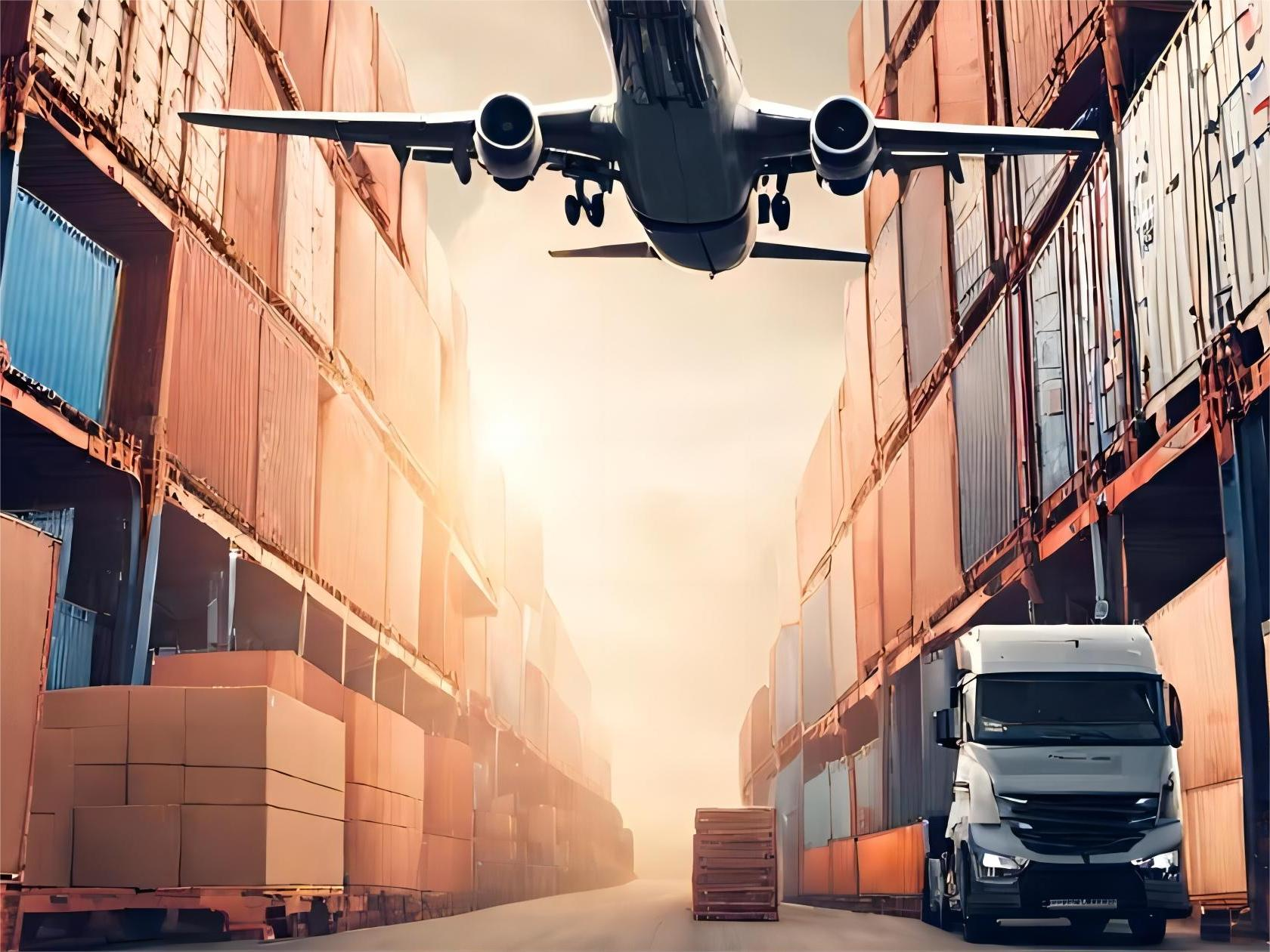
Factory pickup, often referred to under Ex Works (EXW) terms, means the buyer is responsible for the entire transport process from the seller’s location. Specifically, the seller only needs to make the goods available at their premises, such as a factory or warehouse.
Consequently, the importer must arrange for inland trucking, export customs clearance, and international freight. This approach offers maximum transparency because you see the exact cost of every segment in the logistics chain.
Importers often prefer this method when they have a trusted freight forwarder who can consolidate goods from multiple suppliers. Furthermore, it prevents suppliers from adding a hidden markup to the shipping costs, which is common in CIF or CFR agreements.
However, this strategy requires a high level of coordination and a deep understanding of Chinese export regulations. Choosing a partner that understands the local landscape is essential for avoiding delays during the initial pickup phase.
Breakdown of Shipping from China to USA Cost Factory Pickup
Calculating the total shipping from china to usa cost factory pickup involves several distinct financial components that vary based on volume and distance. Initially, you must account for inland trucking fees, which cover the movement from the factory to the nearest port or airport.
Moreover, export document fees and terminal handling charges at the origin port contribute significantly to the initial expense. If you choose sea freight, these costs are typically distributed across the number of containers or cubic meters shipped.
Ocean freight rates for 2026 have stabilized, but they remain sensitive to fuel surcharges and seasonal demand spikes. Additionally, you must factor in the cost of the United States customs bond and the specific import duties associated with your product category.
Ultimately, the final price includes destination handling, customs clearance, and the last-mile delivery to your specified US address. Understanding these layers allows you to identify exactly where your money is going and where you can potentially save.
| Cost Component | LCL (per CBM) | 20GP Container | 40HQ Container |
|---|---|---|---|
| Inland Trucking | $50 – $150 | $300 – $600 | $400 – $800 |
| Export Clearance | $100 – $200 | $200 – $350 | $200 – $350 |
| Ocean Freight | $80 – $160 | $1,800 – $2,600 | $3,200 – $4,800 |
| Port Fees (USA) | $150 – $300 | $600 – $900 | $800 – $1,200 |
How Does Sea Freight Compare to Other Shipping Options?
Comparing different transport modes is vital for balancing your budget against your inventory needs. While sea freight remains the most economical choice for large volumes, air freight provides a necessary speed advantage for high-value or time-sensitive cargo.
Specifically, air cargo prices in 2026 are influenced by global trade trends and aviation fuel costs. For smaller shipments, express service offers a simplified door-to-door solution that includes customs clearance in the upfront price.
Therefore, businesses must weigh the cost-per-kilogram against the transit time to determine the best fit for their specific SKU. A hybrid approach, such as sea-air shipping, can sometimes provide a middle ground for both cost and speed.
Note: Freight rates are subject to change based on fuel costs, carrier capacity, and seasonal demand. Contact us for a current quote tailored to your specific shipment.
| Shipping Method | Cost Range | Transit Time | Best For |
|---|---|---|---|
| Sea Freight (FCL) | Low | 18 – 35 Days | Bulk Inventory |
| Sea Freight (LCL) | Moderate | 22 – 40 Days | Small Pallets |
| Air Freight | High | 5 – 10 Days | High-Value Goods |
| Express Courier | Very High | 3 – 5 Days | Samples/Urgent |

Transit Times and Delivery Schedules for 2026
Transit times play a critical role in maintaining a healthy supply chain and meeting customer expectations. Typically, shipments from China to the US West Coast arrive faster than those destined for the East Coast or the Gulf region.
Consequently, many importers utilize door to door services to streamline the handoff between ocean carriers and domestic trucking companies. This integration reduces the time cargo spends sitting in congested port terminals.
During the peak season from August to October, you should expect potential delays of five to seven days due to increased volume. Moreover, severe weather patterns in the Pacific can occasionally disrupt even the most reliable delivery schedules.
Planning your inventory cycles at least three months in advance helps mitigate the impact of these fluctuations. By understanding the typical timeline, you can better manage your cash flow and marketing campaigns.
Managing Amazon FBA Shipments with Factory Pickup
E-commerce sellers frequently utilize Amazon FBA services to reach the massive US consumer market. When using factory pickup for FBA, your forwarder must ensure that the goods meet strict Amazon labeling and packaging requirements before they leave China.
Additionally, the logistics provider must schedule a delivery appointment with the specific FBA fulfillment center assigned to your shipment. This process is complex, but it allows you to maintain lower inventory levels by shipping directly from the manufacturer.
Furthermore, consolidating multiple factory pickups into a single FBA shipment can significantly reduce your per-unit shipping cost. Many successful sellers use this strategy to maintain a competitive edge on the Amazon marketplace.
However, any error in documentation can result in Amazon rejecting the shipment at the warehouse dock. Therefore, working with an experienced logistics partner is non-negotiable for FBA success.
The Role of Customs Brokerage in Factory Pickup
Customs compliance is perhaps the most challenging aspect of the shipping from china to usa cost factory pickup process. Because you are responsible for the export and import filings, you must engage a professional customs brokerage service.
Specifically, the broker ensures that your HTS codes are accurate, which determines the amount of duty you will pay to US Customs and Border Protection. Inaccurate coding can lead to heavy fines, shipment seizures, or long-term audits.
Moreover, the broker handles the filing of the Importer Security Filing (ISF), which must be completed 24 hours before the ship leaves the Chinese port. Failing to file the ISF on time results in an automatic five-thousand-dollar penalty.
Consequently, the expertise of a broker is an investment that protects your business from costly legal and financial errors. They act as the essential bridge between your cargo and the regulatory requirements of both nations.
Real-World Case Studies for US Importers
Analyzing real-world scenarios provides practical insights into how logistics strategies perform under current market conditions. These examples illustrate the variance in costs and timelines for common shipping routes used by American businesses in 2026.
+———————————————————+ | Case Study 1: Electronics from Shenzhen to Los Angeles | | Route: Shenzhen, China -> Los Angeles, USA | | Cargo: Consumer Electronics, 28 CBM, 4500 kg | | Container: 40HQ Full Container Load (FCL) | | | | Shipping Details: | | – Carrier: Major Ocean Carrier | | – Port of Loading: Shenzhen | | – Port of Discharge: Los Angeles | | – Route Type: Direct | | | | Cost Breakdown: | | – Ocean Freight: $3,850 | | – Origin Charges (Trucking, THC): $650 | | – Destination Charges: $900 | | – Customs & Duties (estimated): $1,200 | | – Total Landed Cost: $6,600 | | | | Timeline: | | – Booking to Loading: 4 days | | – Sea Transit: 16 days | | – Customs Clearance: 2 days | | – Total Door-to-Door: 22 days | | | | Key Insight: Direct shipping to the West Coast saved | | ten days compared to transshipment routes. | +———————————————————+
+———————————————————+ | Case Study 2: Textiles from Ningbo to Savannah | | Route: Ningbo, China -> Savannah, USA | | Cargo: Apparel and Textiles, 12 CBM, 2200 kg | | Container: LCL (Less than Container Load) | | | | Shipping Details: | | – Carrier: Consolidator Service | | – Port of Loading: Ningbo | | – Port of Discharge: Savannah | | – Route Type: Via Panama Canal | | | | Cost Breakdown: | | – Ocean Freight: $1,680 | | – Origin Charges (Trucking, THC): $450 | | – Destination Charges: $750 | | – Customs & Duties (estimated): $2,100 | | – Total Landed Cost: $4,980 | | | | Timeline: | | – Booking to Loading: 6 days | | – Sea Transit: 32 days | | – Customs Clearance: 3 days | | – Total Door-to-Door: 41 days | | | | Key Insight: LCL was more economical than a 20GP | | container for this specific volume of textiles. | +———————————————————+
Which Option Should You Choose?
Selecting the right shipping strategy depends on your specific business priorities, such as speed, budget, or cargo safety. If your primary goal is cost reduction, sea freight FCL is almost always the superior choice for large orders.
On the other hand, if you are launching a new product and need it in the US within a week, air freight is the only viable path. For small-to-medium enterprises, LCL shipping offers a balanced approach that provides the benefits of sea freight without the need for high inventory volumes.
Furthermore, consider the nature of your cargo; fragile items may benefit from the reduced handling involved in FCL or air freight. Transitioning between methods as your business grows is a common and effective strategy for scaling operations.
Ultimately, the decision should be based on a thorough analysis of your landed cost and the urgency of your market demand. Consult with your logistics provider to run multiple scenarios before finalizing your shipping plan.
Summary of Factory Pickup Logistics
Successfully managing shipping from china to usa cost factory pickup requires a blend of strategic planning and expert execution. By taking control of the pickup process, you eliminate supplier markups and gain full visibility into your logistics spend.
As we move through 2026, staying informed about market trends and regulatory changes remains essential for any serious importer. Remember to factor in all costs, from inland trucking to final customs duties, to ensure your business remains profitable.
Partnering with a reliable freight forwarder will help you overcome the challenges of international transport and ensure your goods arrive safely and on time. Start planning your next shipment today to secure the best possible rates for your cargo.

Need a tailored shipping solution?
Ready to optimize your supply chain and reduce your total shipping from china to usa cost factory pickup? Contact China Freight World today for a personalized quote and expert guidance on your next shipment. Our team is standing by to help you navigate the complexities of 2026 international logistics. Visit our website to request your free freight analysis now.