

China Shipping Company Shipping Time: 2026 Transit Guide
“Navigating the complexities of international trade requires a deep understanding of China shipping company shipping time to ensure your inventory arrives exactly when needed. Whether you are a small e-commerce seller or a large enterprise, partnering with a professional logistics provider like China Freight World is essential for maintaining a resilient supply chain. In 2026, global trade patterns have stabilized following previous disruptions, yet shippers must still account for seasonal fluctuations and port efficiency. This comprehensive guide explores the various factors influencing delivery schedules and provides actionable data to help you optimize your shipping strategy from mainland China to global destinations.”
How Does Sea Freight Compare to Other Shipping Options?
❖Understanding the trade-offs between different transport modes is the first step in managing your China shipping company shipping time effectively. Traditionally, sea freight has been the backbone of global commerce due to its ability to handle massive volumes at a fraction of the cost of air transport. Moreover, while it is significantly slower, the cost savings often justify the longer transit times for non-urgent goods. Consequently, many businesses utilize a mix of methods to balance speed and expenditure across their product lines.

Selecting the right mode involves analyzing your specific cargo volume, budget, and required delivery date. Although sea freight offers the lowest cost per unit, air freight remains the superior choice for high-value electronics or seasonal fashion items. Furthermore, rail freight has emerged as a competitive alternative for shipments moving from China to Europe, offering a middle ground in both price and duration. In contrast, express services provide the fastest possible delivery for small parcels, usually reaching the destination within a few business days.
| Shipping Method | Cost Range (2026) | Transit Time | Best For |
|---|---|---|---|
| Sea Freight (FCL) | $1,800 – $4,500 | 14 – 45 Days | Bulk & Heavy Goods |
| Air Freight | $4.50 – $9.00/kg | 3 – 7 Days | High-Value Items |
| Rail Freight | $150 – $280/CBM | 18 – 25 Days | China to Europe |
| Express Service | $6.00 – $12.00/kg | 2 – 5 Days | Small Parcels |
What Factors Influence China Shipping Company Shipping Time in 2026?
❖Several variables contribute to the total duration of your shipment, ranging from port congestion to customs processing efficiency. Meanwhile, seasonal demand shifts, such as the peak season between August and October, can add several days to the standard schedule due to carrier capacity constraints. Generally, shipments from major hubs like Shanghai or Ningbo experience fewer delays compared to smaller, inland ports. Despite improvements in automation, labor availability at destination ports can still occasionally impact offloading speeds.
Weather conditions also play a significant role in maritime schedules, particularly during the typhoon season in the South China Sea. Additionally, the accuracy of your documentation is a critical factor that can either streamline or stall the entire process. Freight forwarders often emphasize that even a minor error in a commercial invoice can lead to lengthy inspections. Therefore, working with experienced professionals ensures that all paperwork is compliant with current 2026 regulations, minimizing the risk of administrative delays.
The Role of Sea Freight in Global Supply Chains
❖Regarding large-scale inventory replenishment, sea freight remains the most viable option for maintaining healthy profit margins. In addition, the introduction of larger, more fuel-efficient vessels in 2026 has helped stabilize rates even as global demand continues to grow. Successful importers often book their containers at least three to four weeks in advance to secure space during busy periods. Businesses that fail to plan ahead may find themselves paying premium rates for last-minute space on less efficient routes.
Choosing between Full Container Load (FCL) and Less than Container Load (LCL) also impacts your China shipping company shipping time. While FCL shipments are typically faster because they do not require consolidation, LCL is more economical for smaller volumes. Efficiency in the consolidation process at the port of loading is key to keeping LCL schedules on track. Managing these logistics requires a keen eye on the sailing schedule to ensure your cargo aligns with the weekly departures from China’s coastal cities.
| Destination | Sea Transit (Days) | Air Transit (Days) | Rail Transit (Days) |
|---|---|---|---|
| USA West Coast | 14 – 18 | 3 – 5 | N/A |
| USA East Coast | 28 – 35 | 4 – 6 | N/A |
| Europe (Main) | 30 – 38 | 5 – 7 | 18 – 22 |
| Australia | 12 – 18 | 3 – 5 | N/A |
Why Air Freight is Essential for Time-Sensitive Cargo
❖If your business model relies on rapid inventory turnover, utilizing air freight is the most effective way to shorten your lead times. Our current market data for early 2026 indicates that air cargo remains the preferred choice for the pharmaceutical and tech sectors. Indeed, the ability to move products from a factory in Shenzhen to a warehouse in London within a week is a massive competitive advantage. Nevertheless, the environmental impact and higher carbon surcharges are factors that modern companies are increasingly considering.
Air transport schedules are generally more reliable than maritime routes, as planes are less affected by port strikes or canal blockages. To summarize, while the cost is significantly higher, the reduction in warehouse holding costs can often offset the transport premium. For instance, a company launching a new product can use air freight to meet initial demand before switching to sea freight for long-term replenishment. This hybrid strategy allows for maximum flexibility in a volatile market environment.
The Growth of Rail Freight as a Strategic Alternative
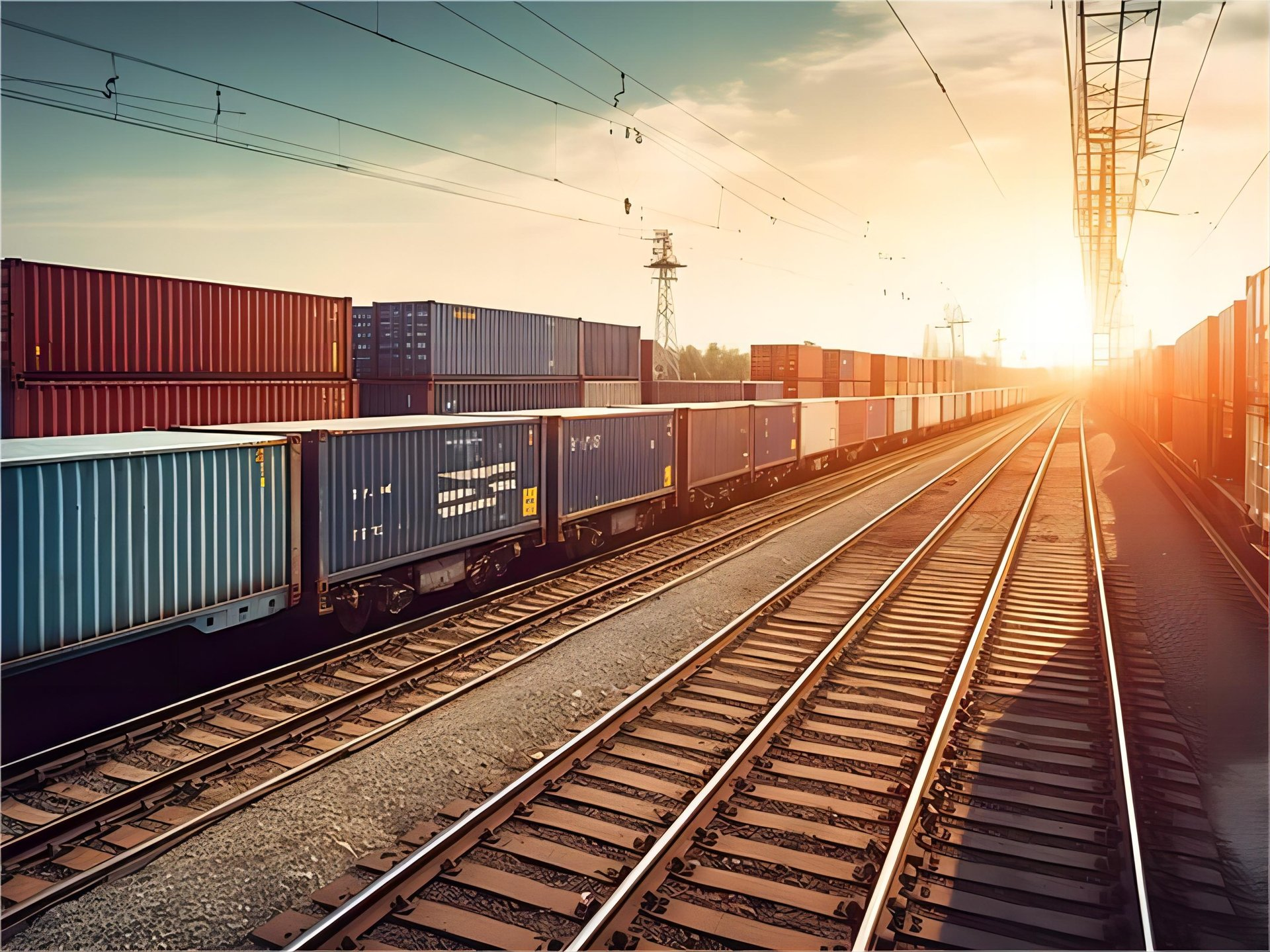
❖For shipments destined for the European market, rail freight has become an increasingly popular middle-ground solution. Since the expansion of the Silk Road rail networks, transit times have been reduced to approximately 18 to 25 days. Consequently, this mode offers a significant time saving over sea freight while remaining much cheaper than air transport. However, it is important to note that rail freight is not an option for routes to North America or Australia due to geographical limitations.
Rail cargo is particularly well-suited for medium-value goods like automotive parts and industrial machinery. Without a doubt, the stability of rail schedules makes it an excellent choice for businesses that need predictable delivery windows. As of 2026, many rail operators have introduced temperature-controlled containers, expanding the range of goods that can be transported via this method. This innovation has allowed food and beverage exporters to utilize rail networks more frequently than in previous years.
Optimizing Speed with Express Service and Door-to-Door Solutions
❖When urgency is the top priority, express service providers like DHL, FedEx, and UPS offer the most streamlined China shipping company shipping time. These carriers manage the entire logistics chain, including the often-complicated customs clearance process at both ends. Moreover, the integration of real-time tracking technology allows shippers to monitor their parcels at every stage of the journey. This transparency is vital for maintaining customer trust in the e-commerce sector.
Choosing a door to door service simplifies the experience by removing the need for the importer to coordinate multiple logistics providers. Instead of managing separate contracts for trucking, ocean freight, and customs, you receive a single quote and a single point of contact. Consequently, this approach reduces the risk of communication errors that often lead to costly delays. For many small business owners, the convenience of door-to-door delivery far outweighs the slightly higher service fee.
The Impact of Customs Brokerage on Total Transit Time
❖One of the most common causes of unexpected delays is the failure to navigate the complexities of international customs. Utilizing a professional customs brokerage service ensures that your cargo complies with all local regulations and duty requirements. In 2026, many customs authorities have implemented advanced digital filing systems that require precise data entry. Any discrepancy in the Harmonized System (HS) codes can trigger an intensive physical inspection, adding days or weeks to the delivery schedule.
Expert brokers stay updated on the latest trade agreements and tariff changes, helping you avoid unnecessary expenses and legal issues. Furthermore, they can advise on duty drawback programs and other cost-saving measures that might be available for your specific cargo. Indeed, a smooth customs clearance process is just as important as the actual transport time when calculating your total door-to-door duration. Proper preparation of the packing list and commercial invoice is the foundation of a successful import operation.
| Document Name | Required For | Purpose | Impact if Missing |
|---|---|---|---|
| Commercial Invoice | All Shipments | Value Declaration | Customs Seizure |
| Packing List | All Shipments | Cargo Verification | Inspection Delays |
| Bill of Lading | Sea/Rail | Title of Goods | Release Denied |
| Cert. of Origin | Specific Goods | Tariff Preference | Higher Duties |
Which Option Should You Choose? Decision Framework
❖Determining the best logistics strategy depends on a careful analysis of your business priorities and cargo characteristics. If your primary goal is to minimize costs and your lead times are flexible, sea freight is the logical choice. On the other hand, if you are shipping high-value items with a short shelf life, the speed of air freight is worth the investment. For European importers, rail freight offers a balanced solution that avoids the extreme costs of air and the long delays of sea.
Consider the volume of your shipment as well; for instance, anything under 100kg is often more economical via express courier. For larger shipments exceeding 15 CBM, booking a full 20GP or 40HQ container via sea freight becomes the most cost-effective path. Ultimately, the best China shipping company shipping time is one that aligns with your inventory turnover cycles and customer expectations. We recommend consulting with a logistics expert to tailor a shipping plan that meets your unique requirements in the 2026 market.
Real-World Case Studies: 2026 Shipping Scenarios
❖Case Study 1: Electronics Distribution to USA West Coast. A tech firm in Shenzhen needed to move 500 units of high-end tablets to Los Angeles. By choosing air freight, they achieved a total door-to-door time of 5 days, allowing them to hit their product launch date. Although the freight cost was $3,500, the early market entry generated significantly more revenue than the savings of sea freight would have provided.
Case Study 2: Industrial Parts to Germany via Rail. A manufacturing plant in Shanghai shipped 5 CBM of precision components to Hamburg using rail freight. The transit took 21 days from terminal to terminal, costing $1,250. This allowed the company to keep their production line running without the $6,000 price tag of air freight or the 35-day wait for a sea vessel. The reliability of the rail schedule was the deciding factor for their supply chain manager.
Case Study 3: Furniture Import to Australia. A retail chain in Sydney imported a 40HQ container of outdoor furniture from Ningbo. Using sea freight, the total shipping time was 16 days from port to port, with a total landed cost of $2,800. By planning their order four months in advance of the summer season, they avoided peak season surcharges and ensured the stock was ready for the holiday rush.
Final Thoughts on Shipping Timelines
Mastering the nuances of China shipping company shipping time allows you to build a more predictable and profitable business. By comparing the transit times and costs of sea, air, and rail freight, you can make informed decisions that support your long-term growth. Remember that while speed is often critical, consistency and reliability are the true foundations of a successful international supply chain.
Note: Freight rates and transit times are subject to change based on fuel costs, carrier capacity, and seasonal demand. Always seek a current quote tailored to your specific shipment to ensure accuracy in your planning.

Ready to streamline your logistics?
Optimizing your China shipping company shipping time is the key to maintaining a competitive edge in the global marketplace. Contact the experts at China Freight World today to receive a customized quote and expert guidance for your 2026 logistics needs. Visit us at https://chinafreightworld.com/ to start your inquiry.
Request Quote