China Shipping Company Tracking: Complete 2026 Logistics Guide
“Navigating the complexities of international trade requires precise china shipping company tracking to ensure your cargo arrives on time. At China Freight World, we understand that visibility is the cornerstone of a successful supply chain. This guide provides comprehensive insights into modern tracking technologies and logistics strategies to help you manage your imports with confidence throughout 2026.”
✦
The Evolution of China Shipping Company Tracking in 2026
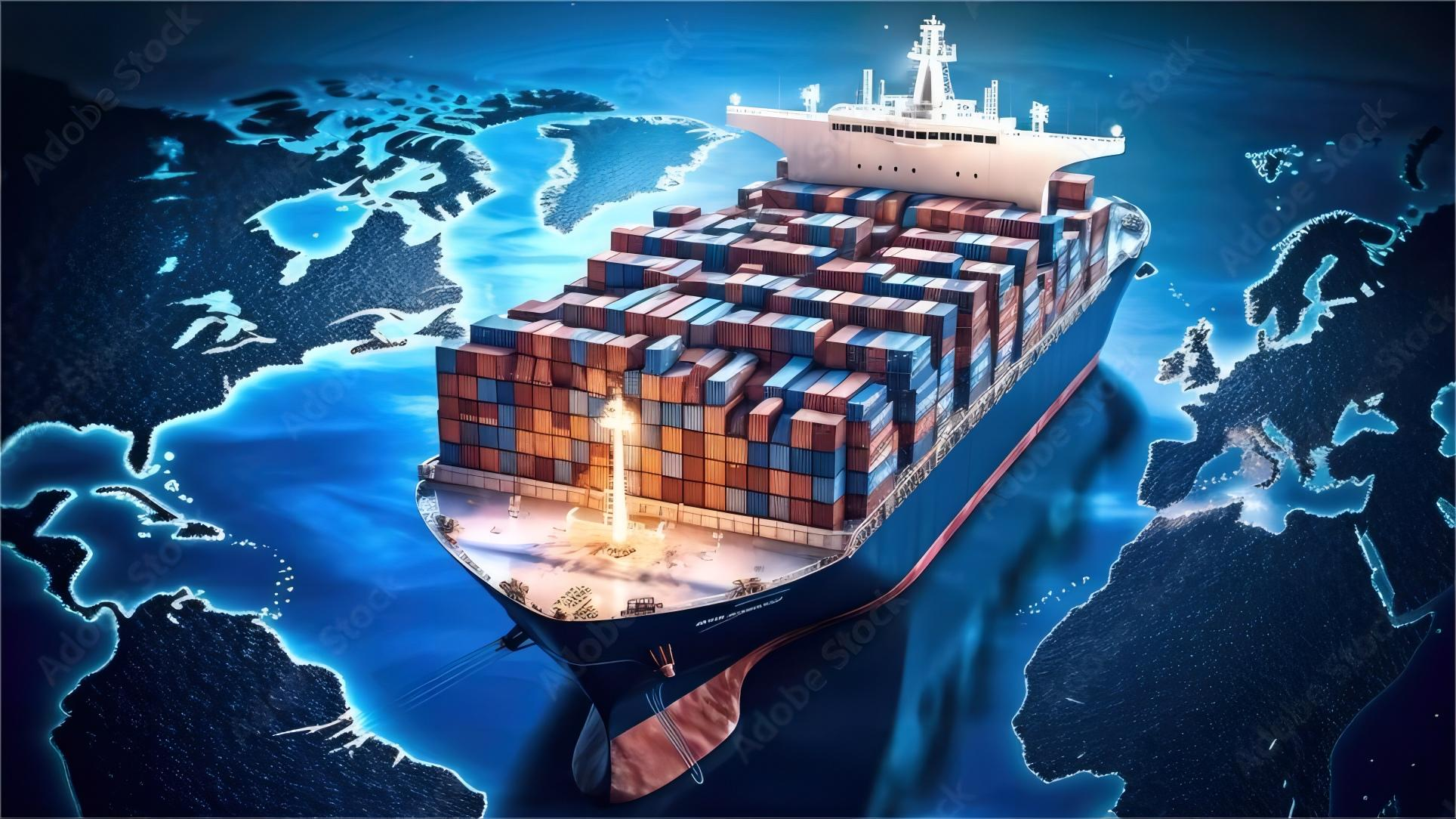
Efficient logistics management has undergone a significant transformation as we enter early 2026. Moreover, the integration of advanced satellite monitoring and internet of things sensors has made real-time visibility more accessible than ever before. Consequently, businesses can now monitor their shipments at every stage of the journey from the factory floor to the final destination.
Similarly, the demand for transparency in the supply chain has forced carriers to upgrade their digital infrastructure. Furthermore, most major shipping lines now offer integrated platforms that combine container status updates with predictive arrival modeling. As a result, importers can better prepare for inventory replenishment and avoid costly warehouse delays.
In addition, the current market landscape requires a proactive approach to logistics. Specifically, understanding how to interpret data from various tracking systems allows you to anticipate potential disruptions. Therefore, staying informed about the latest technological trends is essential for anyone involved in international trade today.
How Does Sea Freight Compare to Other Shipping Options?
Comparing different transport modes is vital for optimizing your logistics budget and timeline. However, while sea freight remains the most popular choice for large volumes, it is not always the best fit for every scenario. In fact, many businesses are turning to hybrid solutions to balance costs and speed.
For instance, sea freight offers the lowest cost per unit for bulk cargo but suffers from longer transit times. In contrast, air cargo provides rapid delivery but at a significantly higher price point. Meanwhile, rail freight has emerged as a reliable middle ground for shipments moving from China to Europe, offering faster speeds than the ocean without the extreme costs of air transport.
Additionally, the choice between these methods often depends on your specific cargo type and urgency. Notably, as of Q1 2026, ocean freight rates have stabilized, making it an attractive option for non-urgent inventory. Nevertheless, you must consider the trade-offs in terms of visibility and transit reliability when making your selection.
| Shipping Method | Cost Range | Transit Time | Best For |
|---|---|---|---|
| Sea Freight | $1,800 – $6,000 | 14 – 40 Days | Bulk Goods |
| Air Freight | $5,000 – $25,000 | 3 – 7 Days | High Value |
| Rail Freight | $2,800 – $4,800 | 18 – 25 Days | Mid-sized |
| Express | $500 – $2,500 | 2 – 5 Days | Small Parcels |

Which Option Should You Choose?
Choosing the right shipping method requires a clear understanding of your business priorities. Therefore, if your primary goal is budget optimization, ocean freight is usually the superior choice for shipments exceeding 15 cubic meters. Specifically, full container loads provide the best value for money when shipping to regions like North America.
On the other hand, speed-sensitive products such as electronics or seasonal fashion items may require the speed of air or express services. Furthermore, cargo volume thresholds often dictate the switch between less than container load and full container load options. For example, once your shipment reaches 15 to 20 cubic meters, booking a 20GP container often becomes more economical than paying for individual space.
Accordingly, you should evaluate your cargo type and destination requirements before finalizing your booking. In addition, consider the impact of seasonal peaks, such as the period leading up to the Lunar New Year, which can cause rates to spike by 20 percent. To summarize, a flexible strategy that combines different modes can often provide the best results for complex supply chains.
Key Technologies Powering Real-Time Visibility
Technology plays a pivotal role in modern china shipping company tracking systems. For example, many carriers now use GPS-enabled smart containers that transmit location data directly to cloud-based platforms. Consequently, shippers can receive instant alerts if a container is opened or if internal temperatures fluctuate beyond set parameters.
Additionally, air freight tracking has become incredibly precise, with updates provided at every airport handling stage. Furthermore, the use of blockchain technology ensures that all documentation, including the bill of lading, remains secure and verifiable. As a result, the risk of document fraud or loss is significantly reduced in the 2026 logistics environment.
Moreover, application programming interfaces allow businesses to integrate carrier tracking data directly into their own enterprise resource planning systems. Therefore, your logistics team can monitor all shipments from a single dashboard without visiting multiple carrier websites. Indeed, this level of integration is becoming a standard requirement for large-scale importers.
Case Studies: Real-World Logistics Scenarios
Examining actual shipments provides valuable context for understanding current market rates and timelines. For instance, consider a recent shipment of consumer electronics from South China to the United States. Meanwhile, another case involves industrial machinery moving to Europe via rail.
Case Study 1: Electronics from Shenzhen to Los Angeles. Route: Shenzhen to Port of Los Angeles. Cargo: Consumer Electronics, 25 CBM, 5,000 kg. Container: 40HQ. Carrier: Major Ocean Carrier. Port of Loading: Shenzhen. Port of Discharge: Los Angeles. Route Type: Direct. Cost Breakdown: Ocean Freight: $3,200. Origin Charges: $450. Destination Charges: $650. Customs and Duties: $1,200. Total Landed Cost: $5,500. Timeline: Booking to Loading: 4 days. Sea Transit: 16 days. Customs Clearance: 2 days. Total Door-to-Door: 22 days. Key Insight: Direct routes saved five days compared to transshipment via Busan.
Case Study 2: Textiles from Ningbo to Hamburg. Route: Ningbo to Port of Hamburg. Cargo: Apparel, 12 CBM, 3,000 kg. Container: LCL. Carrier: Major Alliance. Port of Loading: Ningbo. Port of Discharge: Hamburg. Route Type: Transshipment via Singapore. Cost Breakdown: Ocean Freight: $2,100. Origin Charges: $300. Destination Charges: $550. Customs and Duties: $800. Total Landed Cost: $3,750. Timeline: Booking to Loading: 5 days. Sea Transit: 34 days. Customs Clearance: 3 days. Total Door-to-Door: 42 days. Key Insight: Booking early avoided peak season surcharges in late 2025.
Market data suggests that these rates are typical as of early 2026. However, freight rates are subject to change based on fuel costs, carrier capacity, and seasonal demand. Contact us for a current quote tailored to your specific shipment.
| Route | 20GP Container | 40HQ Container | Transit Time |
|---|---|---|---|
| China to USA West | $1,600 – $2,300 | $2,900 – $3,900 | 14 – 18 Days |
| China to Europe | $1,900 – $2,600 | $3,100 – $4,300 | 28 – 35 Days |
| China to Australia | $900 – $1,300 | $1,500 – $2,100 | 12 – 18 Days |
| China to UK | $2,100 – $2,900 | $3,600 – $4,600 | 30 – 38 Days |

Navigating Customs and Documentation for Smooth Tracking
Documentation is often the most common cause of delays in international shipping. Therefore, ensuring all paperwork is accurate and complete is essential for maintaining your delivery schedule. Specifically, utilizing a professional customs brokerage service can help you navigate complex import regulations and avoid unnecessary fines.
Notably, you must provide a commercial invoice, packing list, and bill of lading for every shipment. Accordingly, these documents must match the physical cargo exactly to pass inspection without issues. In addition, certain products may require certificates of origin or specialized permits depending on the destination country’s laws.
Furthermore, digital documentation platforms are now widely used to speed up the clearance process. As a result, many shipments can be cleared while still in transit, allowing for immediate pickup upon arrival at the port. Indeed, this proactive approach is a hallmark of efficient supply chain management in 2026.
| Document Type | Required For | Purpose | Digital Available |
|---|---|---|---|
| Bill of Lading | All Shipments | Title of Goods | Yes |
| Commercial Invoice | All Shipments | Duty Valuation | Yes |
| Packing List | All Shipments | Cargo Detail | Yes |
| Cert. of Origin | Specific Routes | Tariff Relief | Yes |
Cost-Saving Strategies for International Shipments
Reducing your logistics expenses requires a strategic approach to cargo consolidation and route selection. For example, choosing a door to door service can often eliminate hidden fees by providing a single all-inclusive rate. Similarly, consolidating multiple small orders into one larger shipment can significantly lower your cost per kilogram.
In fact, many importers find that shifting their shipping schedule by just one week can lead to substantial savings. For instance, avoiding the end-of-month rush when carriers are at maximum capacity can help you secure better rates. Additionally, negotiating long-term contracts with freight forwarders can provide stability in a fluctuating market.
Moreover, you should always compare quotes from multiple providers to ensure you are receiving competitive pricing. Nevertheless, remember that the cheapest option is not always the best if it results in frequent delays or poor communication. Ultimately, finding a balance between cost and reliability is the key to long-term success.
Common Challenges in Global Supply Chain Tracking
Despite the advancements in technology, certain challenges still persist in the world of china shipping company tracking. For instance, port congestion and labor shortages can lead to unexpected delays that are beyond the carrier’s control. However, having a reliable tracking system in place allows you to react quickly and adjust your distribution plans accordingly.
Furthermore, using an express service for urgent documents or samples can bypass many of the common hurdles associated with heavy freight. Nevertheless, you must remain vigilant and monitor your shipment’s progress daily. In addition, maintaining open lines of communication with your logistics provider is essential for resolving issues as they arise.
Specifically, weather events or geopolitical shifts can impact transit times without warning. Therefore, building a resilient supply chain with multiple contingency plans is highly recommended. To summarize, while you cannot control every variable, you can control how you monitor and respond to the data provided by your tracking tools.
Mastering Your Logistics Strategy
In conclusion, successful international trade in 2026 relies heavily on accurate and timely information. By utilizing advanced china shipping company tracking tools, you can gain the visibility needed to manage your inventory effectively and meet customer expectations.
Furthermore, choosing the right shipping method and staying informed about market trends will help you maintain a competitive edge. Whether you are shipping by sea, air, or rail, a proactive approach to logistics management is your best defense against global supply chain disruptions. Ultimately, partnering with an experienced freight forwarder will ensure your goods move smoothly from China to their final destination.
Managing your international logistics does not have to be a complicated process. Our team provides the expertise and tools you need for reliable china shipping company tracking and efficient freight management. Contact us today to receive a personalized quote and discover how we can optimize your supply chain for 2026. Visit our inquiry page to get started: https://chinafreightworld.com/contact-us/
Request Quote