
China Freight Forwarder Quote Bulk Cargo: 2026 Pricing Guide
Securing a precise china freight forwarder quote bulk cargo is the first step toward managing a successful international supply chain for large-scale commodities. Navigating the complexities of heavy lift and uncontainerized goods requires a partner like China Freight World to ensure cost-efficiency and safety. Consequently, understanding the nuances of the 2026 shipping market will help you avoid unexpected expenses and delays.
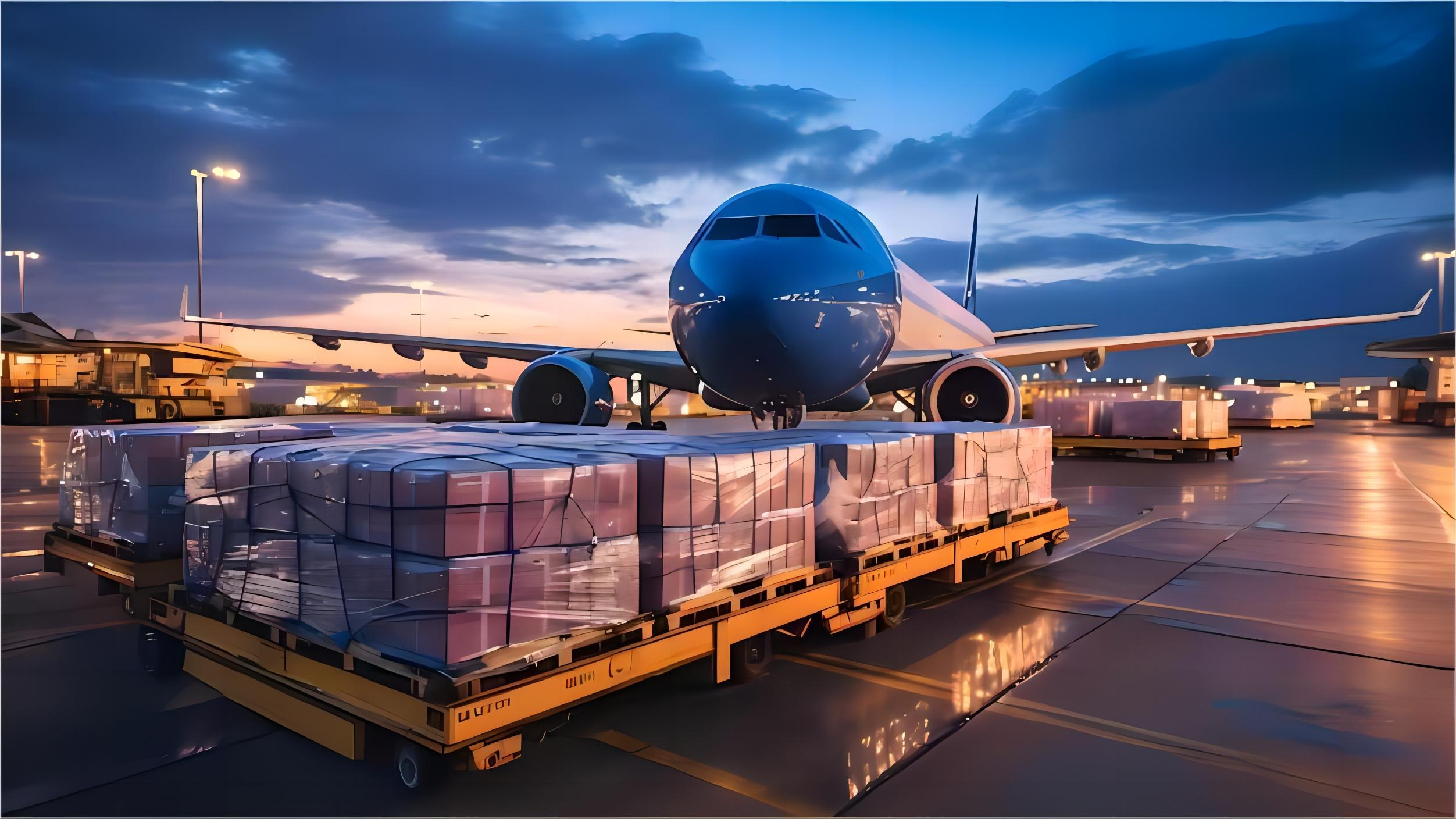
What is a China Freight Forwarder Quote for Bulk Cargo?
Specifically, a quote for bulk cargo differs significantly from standard container shipping because it accounts for unpackaged goods like grain, coal, or minerals. Most industrial importers require specialized handling for these materials, which are often poured or placed directly into the hold of a vessel. Therefore, the pricing structure involves unique variables such as stowage factors and port loading speeds.

Moreover, a comprehensive quote should include terminal handling charges, stevedoring costs, and any necessary cleaning fees for the vessel holds. Freight forwarders typically calculate these rates based on weight or volume, depending on which is greater. Indeed, the complexity of these shipments makes it vital to work with experts who understand the 2026 maritime regulations.
Additionally, you must consider the type of vessel being utilized, ranging from Handysize to Capesize ships. Each vessel type offers different capacities and draft requirements, which directly impact the final china freight forwarder quote bulk cargo. Consequently, providing accurate cargo specifications is the only way to receive a reliable estimate for your project.
How Does Bulk Cargo Compare to Other Shipping Options?
Choosing between bulk shipping and containerized freight depends largely on the volume and nature of your commodities. While sea freight in containers is ideal for finished goods, raw materials often benefit from the economies of scale provided by bulk carriers. However, bulk shipping requires more intensive port operations and specialized equipment.
On the other hand, for smaller quantities of heavy goods, breakbulk shipping might be the more flexible alternative. This method allows individual items like large machinery to be loaded without a container. Meanwhile, you should evaluate if the speed of rail freight offers a better balance for inland destinations in Europe or Central Asia.
To summarize, the following table provides a clear comparison of the primary methods used for large-scale shipments from China in 2026.
| Shipping Method | Cost Range | Transit Time | Best For |
|---|---|---|---|
| Dry Bulk Vessel | $25 – $60 per ton | 30 – 45 Days | Grains, Coal, Ores |
| Breakbulk | $40 – $110 per ton | 25 – 40 Days | Large Machinery |
| FCL Container | $1,800 – $4,500 | 14 – 35 Days | Finished Goods |
| Rail Freight | $3,500 – $6,000 | 18 – 22 Days | Urgent Bulk Goods |
Key Factors Influencing Your Bulk Cargo Quote in 2026
Market data suggests that fuel surcharges and port congestion remain the most volatile components of shipping costs this year. Furthermore, the global demand for raw materials significantly impacts the availability of bulk vessels, driving rates up during peak industrial seasons. Consequently, booking your shipment at least 4-6 weeks in advance is recommended to secure stable pricing.
Labor costs at major Chinese ports like Ningbo or Shanghai also play a role in the final quote. For instance, specialized cargo handling for hazardous materials or fragile minerals requires extra manpower and safety protocols. Therefore, your china freight forwarder quote bulk cargo will reflect these operational requirements clearly.
In addition, currency fluctuations between the CNY and USD can alter the landed cost of your goods. Smart importers often use freight forwarders who offer fixed-rate contracts for long-term projects to mitigate this risk. Without a doubt, staying informed about these economic trends is essential for accurate budgeting.
Which Option Should You Choose? Decision Framework
Determining the right logistics strategy requires a balance between budget, speed, and the physical properties of your cargo. If your primary goal is cost reduction for thousands of tons of material, a dedicated bulk charter is almost always the best choice. Conversely, if you are shipping smaller batches of industrial equipment, breakbulk or specialized flat-rack containers may be safer.
Budget priority: Recommend dry bulk vessels for shipments exceeding 5,000 tons to maximize economy. Speed priority: Consider a hybrid solution or air freight only for high-value components, as bulk is inherently slower. Cargo type: Use moisture-controlled holds for agricultural products to prevent spoilage during long transits.
Volume thresholds are also critical; once your shipment exceeds 15 CBM, moving away from LCL and toward FCL or breakbulk becomes more economical. Always consult with a professional customs brokerage to ensure your chosen method aligns with import regulations at the destination. Note: Freight rates are subject to change based on fuel costs, carrier capacity, and seasonal demand. Contact us for a current quote tailored to your specific shipment.
Real-World Case Studies for Bulk Cargo Logistics
Analyzing past performance helps in understanding the practical application of bulk shipping strategies. Below are two realistic scenarios based on market rates from early 2026. These examples highlight the importance of route selection and port efficiency in the total cost calculation.
Case Study 1: Industrial Steel Export Route: Shanghai, China to Rotterdam, Netherlands Cargo: Steel Coils, 8000 CBM, 20000 kg Container: Breakbulk Vessel Shipping Details: – Carrier: Major bulk carrier – Port of Loading: Shanghai – Port of Discharge: Rotterdam – Route Type: Direct Cost Breakdown: – Ocean Freight: $520,000 – Origin Charges: $18,000 – Destination Charges: $14,000 – Customs: $9,500 – Total Landed Cost: $561,500 Timeline: – Booking to Loading: 12 days – Sea Transit: 34 days – Customs: 4 days – Total: 50 days Key Insight: Utilizing a direct route saved 6 days compared to transshipment options.
Case Study 2: Agricultural Bulk Shipment Route: Tianjin, China to Brisbane, Australia Cargo: Processed Grain, 3000 Tons Container: Dry Bulk Carrier Shipping Details: – Carrier: Regional bulk specialist – Port of Loading: Tianjin – Port of Discharge: Brisbane – Route Type: Direct Cost Breakdown: – Ocean Freight: $135,000 – Origin Charges: $10,000 – Destination Charges: $9,000 – Customs: $5,000 – Total Landed Cost: $159,000 Timeline: – Booking to Loading: 8 days – Sea Transit: 16 days – Customs: 3 days – Total: 27 days Key Insight: Seasonal planning in Q1 2026 allowed for a 15% discount on standard freight rates.
Understanding Different Types of Bulk Cargo Handling
Loading bulk cargo requires different techniques depending on the physical state of the goods. For example, liquid bulk like chemicals or oils requires tankers with specialized pumping systems. Meanwhile, dry bulk such as sand or gravel is usually loaded via conveyor belts or grab cranes. Consequently, the equipment available at the port will influence your china freight forwarder quote bulk cargo.
Furthermore, breakbulk handling involves lifting individual pieces of cargo that are too large for containers. This often includes wind turbine blades, factory boilers, or construction vehicles. Because these items require heavy-lift cranes, the port of loading must have the technical capacity to handle the weight safely. Therefore, verifying port infrastructure is a vital part of the quoting process.
Moreover, many modern vessels are multi-purpose, allowing for a mix of bulk and containerized cargo. This flexibility can sometimes lower costs if the carrier needs to fill remaining space. Nevertheless, ensuring that your cargo is compatible with other goods on the ship is a primary safety concern for every freight forwarder.

Step-by-Step Process to Get an Accurate Quote
First, you must prepare a detailed packing list that includes the weight, dimensions, and nature of the cargo. Mentioning whether the goods are hazardous or require special temperature controls is essential for safety compliance. Afterward, specify your preferred incoterms, such as FOB or CIF, as this determines who pays for the various stages of transport.
Next, contact a reputable forwarder to discuss your timeline and destination requirements. A professional will evaluate the best ports of exit and entry to minimize land transport costs. For instance, using a door to door service can simplify the entire process by consolidating all charges into a single quote.
Finally, review the provided quote for any hidden fees like peak season surcharges or fuel adjustment factors. Ask for a breakdown of the port handling and customs clearance fees to ensure transparency. Once you approve the quote, the forwarder will begin the vessel chartering or space booking process immediately.
Mastering Your Bulk Cargo Logistics
To summarize, obtaining a china freight forwarder quote bulk cargo is a detailed process that requires careful planning and market knowledge. By understanding the differences between bulk, breakbulk, and container shipping, you can make informed decisions that save your business significant time and money.
Indeed, the 2026 shipping landscape offers various opportunities for those who utilize professional logistics partners and stay ahead of market trends. Always remember to factor in transit times, port handling, and customs requirements when calculating your total landed cost for bulk shipments.

Get Your Shipping Quote Today
Ready to optimize your large-scale logistics? Contact our experts today for a comprehensive china freight forwarder quote bulk cargo tailored to your specific needs. Visit our inquiry page to get started with a competitive rate for your 2026 shipments.
Request Quote