

A Strategic Guide to Ocean Cargo China to Poland: 2026 Logistics Execution
Coordinating ocean cargo China to Poland involves navigating complex multi-supplier consolidations and strict CFS intake windows that can derail your supply chain if mismanaged. Many importers suffer from preventable delays and hidden storage fees caused by unsynchronized cargo-ready dates and inaccurate pallet density calculations. By partnering with China Freight World, shippers secure the operational discipline required to manage high-efficiency consolidated loads from major Chinese hubs to key European gateways. This 2026 handbook provides the tactical framework to optimize your transit milestones and protect your landed-cost integrity across this vital trade lane.
Key Takeaways
Standard 40HQ containers should target a 65–70 CBM load to maximize pallet density and prevent dead-space penalties.
A 20GP container provides an optimal utilization range of 26–28 CBM for dense, stackable general cargo.
LCL shipments must be scheduled against strict CFS cut-off dates, typically 3-5 days prior to vessel departure.
Polish customs entry requires accurate HS codes and EORI validation to prevent transit dwell at the Port of Gdansk or Gdynia.
LCL vs FCL vs Air: Optimal Booking Mode for Ocean Cargo China to Poland
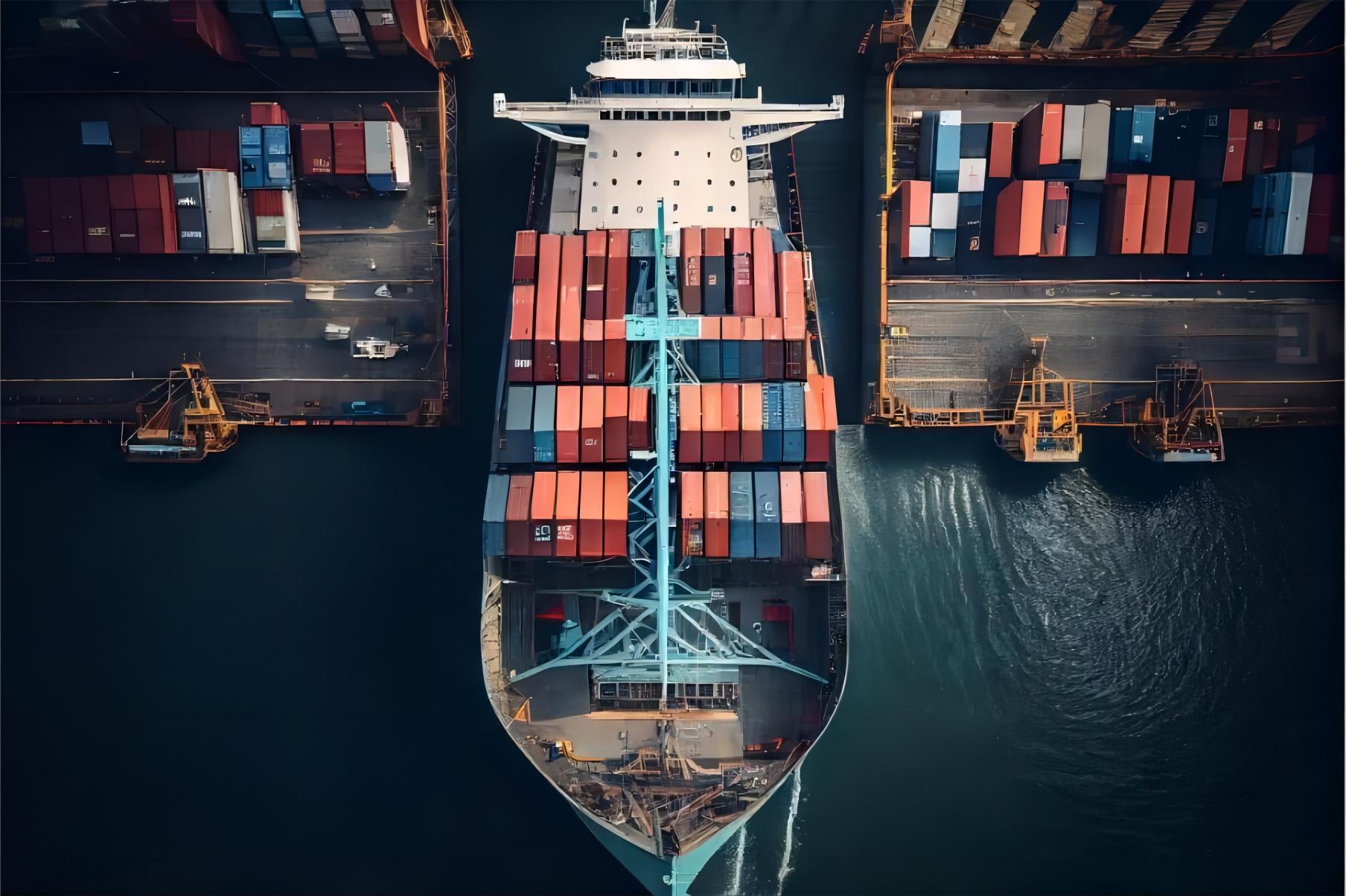
Selecting the correct mode for ocean cargo China to Poland requires a granular analysis of your inventory velocity and total landed cost objectives. Full Container Load (FCL) remains the most cost-effective solution for large-scale replenishments, allowing for dedicated space and reduced handling risks associated with multi-supplier consolidation. Conversely, Less than Container Load (LCL) provides a flexible middle ground for smaller consignments, though it introduces risks related to CFS de-consolidation and potential transit delays at the destination port.
Air freight serves as an essential contingency for urgent stockouts or high-value product launches where the 30-to-40-day ocean transit cycle is prohibitive. When evaluating these modes, importers must weigh the immediate cost of air uplift against the potential revenue loss of a stockout, while considering the infrastructure requirements of the sea freight alternatives. Our team helps clients model these scenarios to ensure that the chosen mode aligns with both seasonal demand and budgetary constraints on the China-to-Poland corridor.
Choosing between these methods demands a clear understanding of your cargo dimensions and the willingness to manage warehouse-side complexities. If your freight volume averages between 15 and 20 CBM, a 20GP might be more economical than LCL once you account for destination handling charges and the risk of damage during de-consolidation. We encourage all shippers to review their historical shipping data to identify patterns that justify a transition from LCL to FCL or the integration of air-bridge solutions for critical stock items.
Field note: FCL is generally preferred for minimizing handling damage during the long-haul transit.
Common mistake: Failing to account for destination CFS handling charges when comparing LCL vs FCL rates.
Risk alert: LCL cargo can be subject to significant delays if the master container is held for customs inspection.
Critical Checklist: CRD Windows and CFS Handoff on This Lane
The Cargo Ready Date (CRD) is the cornerstone of a successful shipment, as it dictates the entire scheduling chain from factory pickup to vessel loading. On the trade lane from China to Poland, missing a CFS (Container Freight Station) intake cut-off is the most frequent cause of unplanned warehousing fees and shipment roll-overs. Shippers must ensure that their factories provide accurate lead times and are prepared to release goods within the confirmed window to avoid the ripple effects of a missed vessel departure.
Operational success depends on the coordination between your warehouse services and the forwarder’s CFS receiving team. We verify that every carton is correctly labeled with shipping marks that match the packing list, preventing confusion during the consolidation process at origin ports like Ningbo or Shanghai. By synchronizing the inland haulage schedules with the CFS cut-off, we minimize the dwell time of your cargo and ensure that all documentation is processed well in advance of the vessel’s arrival at the berth.
Effective handoff management requires a proactive approach to communication between the supplier’s warehouse and our logistics team. We mandate that all suppliers provide a pre-alert notification at least 48 hours before the cargo arrives at the CFS, including verified gross weight and dimensions for each pallet. This allows us to optimize the load plan, ensuring that your goods are stowed safely and efficiently, thereby reducing the risk of space-related surcharges or last-minute cargo rejection due to improper packaging or documentation errors.
| Equipment Type | Internal Volume (CBM) | Max Payload (kg / lbs) | Optimal Commodity Fit |
|---|---|---|---|
| 20ft Standard (20GP) | 28–30 CBM (26 usable) | 21,800 kg / 48,000 lbs | Dense, heavy cargo (machinery, auto parts, metals) |
| 40ft Standard (40GP) | 58–60 CBM (54 usable) | 26,500 kg / 58,400 lbs | General packaged cargo, standard palletized loads |
| 40ft High Cube (40HQ) | 68–76 CBM (68 usable) | 26,500 kg / 58,400 lbs | Bulky, lightweight goods (furniture, textiles, electronics) |
| 45ft High Cube (45HQ) | 85–86 CBM (78 usable) | 27,500 kg / 60,600 lbs | High-volume consumer retail distribution |
Field note: Ensure your supplier provides the packing list 72 hours before the cargo is ready.
Common mistake: Waiting until the day of pickup to confirm the availability of the goods.
Risk alert: Missing a CFS cut-off often results in a minimum 7-day delay for the next available vessel.
China–Europe Rail vs Ocean: Transit and Cost Trade-offs on This Lane

Consolidating goods from multiple Chinese factories into a single shipment is a strategic move that significantly improves cost-efficiency for mid-sized importers. However, this complexity requires a highly structured approach to avoid the logistical nightmare of mismatched documentation or staggered cargo readiness. We recommend establishing a centralized digital dashboard where all suppliers can log their packing lists and CRDs, allowing for real-time visibility across the entire consolidation project before the cargo ever reaches the CFS.
Success in consolidation hinges on the integrity of the palletizing process at the factory level and the standardization of shipping marks. When multiple suppliers contribute to one container, the CFS team must be able to identify and segregate each buyer’s consignment quickly and accurately. Our export logistics expertise ensures that every unit is compliant with ISPM-15 standards, preventing biosecurity holds at the Polish border that could otherwise result in costly inspection and fumigation fees.
To mitigate the risk of dead space, we perform a virtual load simulation based on the provided dimensions from each supplier. This process identifies potential stacking issues—such as non-stackable cartons or irregular shapes—before the cargo reaches the warehouse, allowing us to adjust the consolidation plan accordingly. By treating consolidation as a proactive planning exercise rather than a reactive warehouse task, we help you maximize your container utilization and avoid the financial penalties associated with inefficient space usage.
Field note: Centralize all supplier packing lists into one master document before booking the CFS slot.
Common mistake: Mixing non-stackable and stackable items without proper protective crating.
Risk alert: Poorly consolidated pallets often collapse during transit, damaging the underlying cargo.
Strategic Gateway Routing for Poland Cargo
Choosing the right gateway for ocean cargo China to Poland is a strategic decision that balances transit time against the efficiency of the inland distribution network. Most shipments are routed through major Northern European hubs like Hamburg or Rotterdam, followed by feeder services into Polish ports such as Gdansk or Gdynia. Understanding the operational strengths and potential bottlenecks of these transit points is crucial for maintaining a predictable delivery schedule, especially during periods of high port congestion.
The final leg of the journey—from the Polish port to the final destination—often involves a complex mix of rail and road transport. We work closely with our local partners to ensure that the transition from ocean carrier to inland carrier is seamless, minimizing the dwell time at the terminal. Our import logistics team monitors vessel arrivals and provides real-time updates, allowing your destination team to book final-mile delivery well in advance of the container’s availability.
Strategic routing also considers the seasonal capacity of various gateways, as congestion levels can fluctuate based on global trade volumes and labor availability. By leveraging our established network, we can often suggest alternative routing options if a specific port is facing excessive delays. This flexibility is a key advantage of working with a global forwarder, as it allows us to pivot your cargo through more efficient transit points, ultimately protecting your bottom line and ensuring your inventory reaches the market on time.
| Milestone | Typical Window | Owner | Delay Risk if Missed |
|---|---|---|---|
| Origin pickup / CY gate-in | T-5 to T-2 days before ETD | Shipper / drayage | Rolled booking & demurrage at origin |
| Border / port arrival | Mode-specific ETA band | Carrier / broker | Detention & storage accrual |
| Customs release | 24–72h after arrival (mode-dependent) | Licensed broker | Terminal hold & delivery slip |
| Final delivery appointment | Within free-time window | Consignee / carrier | Driver detention & re-delivery fees |
Field note: Gdansk is increasingly handling direct calls, which can reduce transshipment times.
Common mistake: Ignoring the transshipment time when calculating total lead times.
Risk alert: Port strikes or severe weather in Northern Europe can disrupt feeder schedules.
End-to-End Transit Milestones and Dwell Times
Managing the end-to-end transit of your ocean cargo requires a clear grasp of the various milestones that define the life of a shipment. From the moment the booking is confirmed to the final delivery at your warehouse, there are numerous touchpoints where delays can occur. We track every stage—including inland transit, CFS arrival, export customs, main haul, port dwell, and destination clearance—to provide you with a comprehensive view of your supply chain’s health.
Dwell time at the destination port is a critical metric that often goes overlooked until it becomes a cost issue. Factors such as container availability, customs inspection rates, and the capacity of the local drayage fleet can significantly impact how quickly your goods are released from the terminal. Our team proactively manages these variables by coordinating with port authorities and local trucking companies, ensuring that your containers are picked up as soon as they are cleared for release.
To maintain transparency, we provide regular milestone reporting that highlights potential risks before they materialize into full-scale delays. This visibility allows you to make informed decisions about your inventory management, such as adjusting replenishment orders or communicating potential delays to your downstream customers. By focusing on these granular transit details, we help you build a more resilient supply chain that can withstand the inevitable disruptions of global trade.
Field note: Always include a 5-day buffer in your lead time calculation to account for unforeseen port dwell.
Common mistake: Assuming that ‘Estimated Time of Arrival’ (ETA) equals ‘Cargo Available’ time.
Risk alert: Demurrage charges accrue quickly if the container is not picked up within the free time period.
Landed Cost Anatomy: Surcharges and Duty for This Corridor
Calculating the total landed cost involves more than just the ocean freight rate; it encompasses a complex array of surcharges, local fees, and customs duties. Understanding the components of this cost structure is essential for accurate product pricing and profitability analysis. We provide detailed cost breakdowns that include bunker adjustment factors (BAF), currency adjustment factors (CAF), and destination-specific handling charges that are often excluded from initial freight quotes.
Customs duty is perhaps the most significant variable cost for importers in Poland, and it is heavily dependent on the accurate classification of goods under the Harmonized System (HS). We work with you to ensure that your products are classified correctly, preventing overpayment of duties or the risk of penalties for non-compliance. Our logistics provider team also monitors changes in local tax regulations, ensuring that your landed cost estimates remain accurate and up-to-date.
Hidden fees are the primary reason for budget overruns in international shipping. Accessorials such as liftgate charges, inside delivery fees, and container cleaning costs can quickly accumulate if not anticipated. We conduct a thorough analysis of your shipment profile to identify these potential costs early, allowing you to budget effectively and avoid the shock of unexpected invoices. By maintaining a transparent and itemized cost structure, we help you manage your logistics budget with confidence and precision.
| Cost Component | Typical Assessment Base | Who Usually Pays | Planning Note |
|---|---|---|---|
| CIF / customs value | Goods value + freight + insurance (as declared) | Importer of record | Wrong valuation drives duty and VAT/GST miscalc |
| Import duty / tariff | % of customs value by HS chapter | Importer / DDP seller (by Incoterms) | Confirm HS binding before award |
| VAT / GST / sales tax | Duty-paid value (or local statutory base) | Importer / fiscal representative | Registration and reclaim rules vary by market |
| Customs broker / clearance fee | Per entry or per shipment band | Importer / nominating party | Separates from freight; exams add extras |
| Exam / storage / disbursement | Event-driven (exam, demurrage, advance) | Importer / broker client account | Often outside base ocean/truck quote |
Field note: Verify your HS codes against the EU TARIC database to ensure accurate duty calculations.
Common mistake: Failing to include the cost of insurance in the landed cost calculation.
Risk alert: Incorrect HS code classification can lead to audits and retroactive duty assessments.
VAT, EORI, and Destination Clearance Windows on This Lane
Compliance with international trade regulations is non-negotiable when shipping into the European Union. Poland, as an EU member, requires strict adherence to customs filing protocols, including the submission of the Entry Summary Declaration (ENS) via the ICS2 system. Failure to provide complete and accurate documentation can result in immediate cargo holds, heavy fines, and the potential rejection of your shipment at the border, all of which are costly and time-consuming to resolve.
The foundation of compliance is a set of accurate shipping documents: the Commercial Invoice, Packing List, and the Bill of Lading. Each document must be perfectly aligned, with consistent descriptions, values, and weights across the board. We perform a rigorous document audit for every shipment, ensuring that all details meet the requirements of customs authorities in both China and Poland before the goods are loaded onto the vessel, thereby minimizing the risk of administrative delays.
Beyond standard documents, specific product categories may require additional certifications, such as CE marking for electronics or health certificates for consumer goods. We help you navigate these requirements, providing a customized document checklist for each shipment based on the nature of your cargo. By proactively addressing these compliance needs, we ensure a smooth customs clearance process, allowing your goods to move through the border without unnecessary intervention or scrutiny.
Field note: Ensure your EORI number is valid and registered in the EU customs system before the shipment departs.
Common mistake: Providing inconsistent descriptions on the invoice versus the packing list.
Risk alert: Customs authorities perform random inspections; missing documents will lead to immediate detention.
Capacity Disruptions, GRI, and Peak-Season Management
The ocean freight market is inherently volatile, with capacity disruptions and General Rate Increases (GRI) occurring frequently throughout the year. Navigating these fluctuations requires a long-term strategy that prioritizes stable carrier relationships and early planning. During peak seasons—typically preceding major holidays—carrier capacity tightens, and rates often spike. We help you hedge against these trends by securing space allocations well in advance and negotiating fixed-rate agreements where possible.
Managing peak-season logistics is an exercise in agility and preparation. As carriers adjust their schedules to optimize utilization, the risk of blank sailings and equipment shortages increases. We mitigate these risks by diversifying your carrier mix and maintaining close communication with our port-side partners to ensure that equipment is available when needed. Our about page details our commitment to service stability, even during the most challenging market conditions.
To stay ahead of market shifts, we provide regular intelligence updates on capacity, fuel surcharges, and port congestion. This information empowers you to adjust your shipping strategy in real-time, whether that means pulling forward orders to avoid a known capacity crunch or utilizing alternative routes to bypass congested hubs. By staying informed and maintaining a flexible logistics plan, you can effectively manage the costs and risks of the China-to-Poland trade lane, regardless of the broader economic environment.
Field note: GRI typically occurs on the first and fifteenth of each month; plan your bookings accordingly.
Common mistake: Booking at the last minute during peak season and paying premium spot rates.
Risk alert: Blank sailings can push your cargo arrival back by two weeks or more.
Decision Framework
By volume: Under 2 CBM or 300 kg often fits express/parcel; 2–15 CBM is optimal for CFS LCL; above 15 CBM warrants evaluating a dedicated FCL buy-out.
By speed: Stockouts inside 5–7 days may require PVG/SZX air uplift; routine replenishment can run on 30+ day multimodal LCL/ocean schedules.
By cargo profile: Non-stackable or irregular freight needs crating and orientation flags; standard carton cargo must be palletized (ISPM-15 where required) for CFS stacking.
Real-World Corridor Case Studies
A manufacturer required the shipment of sensitive machinery components to a regional distribution center in Poland. By utilizing specialized crating and a dedicated FCL container, we ensured the integrity of the fragile components during the long-haul voyage. The primary challenge was the strict CRD alignment required for the factory, which we managed through a centralized coordination platform, resulting in a seamless transition from factory floor to port.
Multiple suppliers provided varied home goods that required consolidation into a single high-efficiency shipment. We performed a detailed volumetric analysis to ensure optimal stacking, which prevented the need for a second container and saved the client significant costs. The main hurdle was coordinating the arrival of three separate consignments, which we resolved by extending the CFS receiving window through proactive negotiation with the terminal operator.
Execution Blueprint: Optimizing Consolidated Cargo
Executing consolidated cargo across multiple suppliers demands CRD alignment, CFS pallet integrity, and mode-mix discipline on the China-to-Poland lane. By focusing on the details of your packing list and the timing of your CFS intake, you can transform your logistics from a source of friction into a competitive advantage.
Treat CFS handling, shipping marks, and consolidation timing as core booking variables—not afterthoughts. Consolidating goods from multiple suppliers requires a professional, data-driven approach to ensure that your landed costs remain predictable and your inventory arrives exactly when your market demands it.
Process and Checkpoints
Cargo-Ready Profile Verification
Confirm supplier CRD, packing list accuracy, carton dimensions, gross weight, and HS codes.
CFS Inbound & Palletizing
Arrange factory pickup into the regional CFS; inspect shipping marks and pallet integrity.
Consolidation & Export Clearance
Merge supplier lots, verify commercial invoice alignment, and file consolidated export declaration.
Multimodal Mainhaul
Move freight on scheduled LCL ocean or air uplift per urgency and budget.
Destination CFS De-consolidation
Unpack the master move at destination CFS and sort individual buyer consignments.
Appointment Final-Mile Delivery
Book liftgate truck or courier delivery to commercial doors or fulfillment centers.
Confirm the right route for your shipment
Consolidating goods from multiple suppliers? Send your cargo-ready dates and CBM/weight specs for an itemized door-to-door consolidation plan.
Request a route reviewFrequently Asked Questions
How can multi-supplier shippers prevent CFS dead-space penalties during consolidation?
Declare stackability, use ISPM-15 pallets, and share carton dimensions early so CFS can plan density.
Where does the forwarder take custody of multi-supplier cargo at origin?
Custody usually transfers at CFS receiving after piece count and mark checks.
How does the 1:167 volumetric ratio affect LCL freight invoices?
Carriers bill the greater of actual weight or volumetric weight using about 167 kg per CBM. Light cartons often pay on volume.
Which shipping marks must match the house Bill of Lading for LCL cargo?
Carton and pallet marks must match the house B/L description exactly to avoid relabel fees.
What happens if supplier cargo arrives after the CFS consolidation cut-off?
Late lots are typically rolled to the next consolidation cycle, accruing storage and risking split shipments.
Which export documentation must align before US AES or origin customs release?
Commercial invoice, packing list, HS codes, and Incoterms should match the physical load before AES filing and port gate-in.
Rates and surcharges fluctuate; request an itemized quote.
Informational only; not binding legal/tax/customs advice.
Benchmarks reflect standard 2026 practice for this corridor.