

Business Shipping from China Supplier: The Ultimate Logistics Guide
Navigating the complexities of business shipping from China supplier is essential for maintaining a competitive edge in today’s global market. Partnering with an experienced logistics provider like China Freight World allows your company to streamline operations and reduce overhead costs. This comprehensive guide provides the insights needed to manage international freight efficiently and reliably.
What are the Primary Methods for Business Shipping from China Supplier?
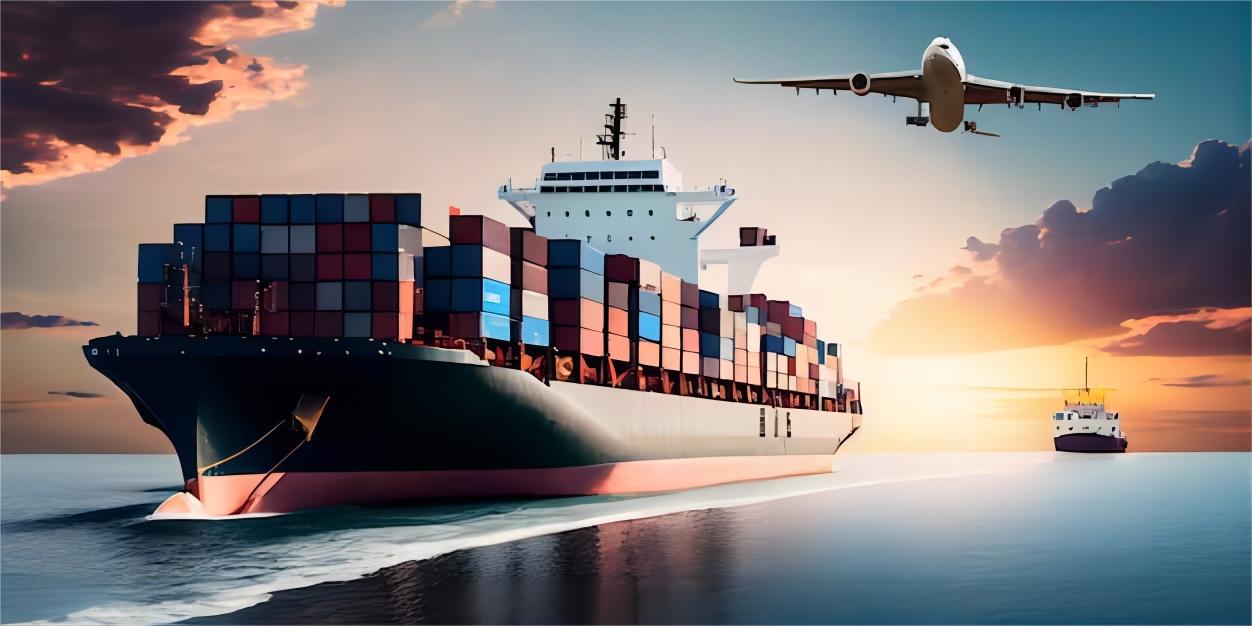
Selecting the right transportation mode is the most significant decision in your logistics strategy. Most companies choose between sea, air, rail, or express services based on their specific budget and timeline requirements. Each method offers distinct advantages depending on the volume and weight of your cargo.
Furthermore, understanding the nuances of each service helps prevent unexpected delays at the port of origin. Reliability remains a top priority for businesses that need to maintain consistent inventory levels. Consequently, choosing a method that aligns with your delivery schedule is paramount for success.
| Method | Transit Time | Cost Level | Best For |
|---|---|---|---|
| Sea Freight | 25-45 Days | Low | Bulk Goods |
| Air Freight | 3-7 Days | High | Urgent Cargo |
| Rail Freight | 15-22 Days | Medium | Europe Routes |
| Express | 2-5 Days | Very High | Samples |
Ocean Freight Solutions
For large volumes, sea freight represents the most cost-effective solution for international trade. You can choose between Full Container Load (FCL) or Less than Container Load (LCL) depending on your shipment size. This method is ideal for non-urgent goods and heavy machinery.
Air Freight Services
When speed is the priority, air freight provides the fastest transit times for high-value items. This method reduces the risk of damage and ensures your products reach the market ahead of the competition. However, the higher cost requires careful budget planning.
How Does Sea Freight Compare to Other Shipping Options?
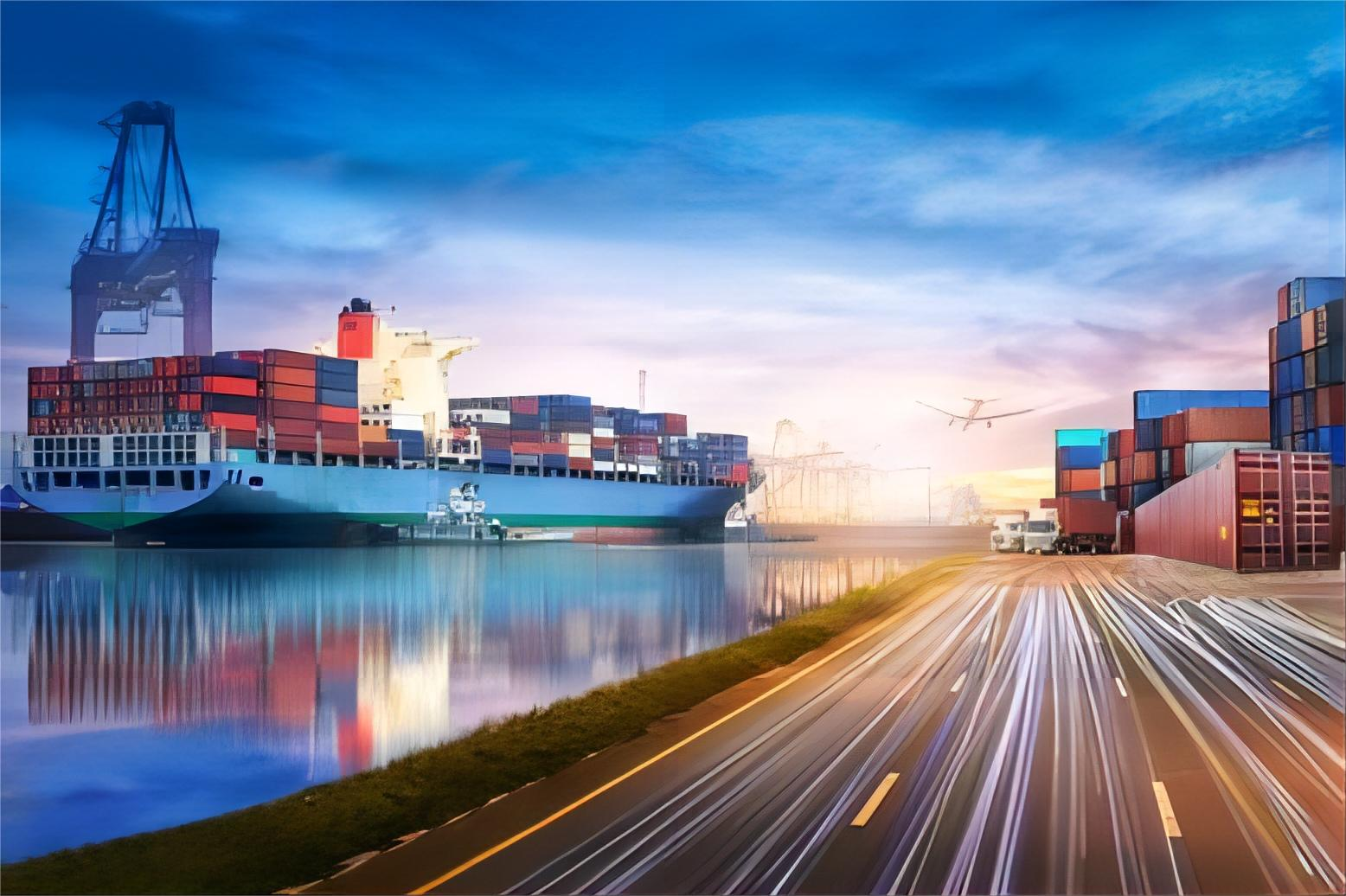
Ocean transport remains the backbone of global trade due to its massive capacity and lower carbon footprint. While it takes longer than air transport, the cost savings for bulk orders are substantial. Many businesses use sea freight for seasonal inventory planning to maximize their profit margins.
Additionally, sea freight is less restrictive regarding hazardous materials or oversized items compared to air travel. For instance, shipping large furniture or heavy equipment is often only feasible via ocean containers. You must weigh the long transit times against the significant reduction in freight rates.
| Shipping Method | Cost Range | Transit Time | Limitations |
|---|---|---|---|
| Sea (FCL) | $2,500 – $5,000 | 30-40 Days | Port Congestion |
| Air Freight | $5 – $12 per kg | 5-8 Days | Weight Limits |
| Rail Freight | $1,800 – $3,000 | 18-24 Days | Land Routes Only |
| Courier | $10 – $20 per kg | 3-5 Days | High Expense |
Which Option Should You Choose for Your Business?
Determining the best strategy requires an analysis of your budget, cargo type, and urgency. If your primary goal is cost reduction, sea freight is the logical choice for shipments over 2 CBM. On the other hand, urgent restocking often necessitates the speed of air or express services.
Moreover, consider the nature of your products before making a final commitment. Fragile or perishable goods benefit from the shorter handling times associated with air transport. Meanwhile, durable consumer goods are perfectly suited for the longer journey of ocean transit.
Hybrid solutions like sea-air combinations can also provide a middle ground for both cost and speed. These strategies allow businesses to bypass port congestion while keeping expenses lower than pure air freight. Always consult with your forwarder to explore these alternative logistics trends.
Understanding Costs for Business Shipping from China Supplier
Freight rates are influenced by several factors including fuel surcharges, seasonal demand, and carrier capacity. During peak seasons like the lead-up to Chinese New Year, prices can fluctuate significantly. Therefore, booking your space at least 3-4 weeks in advance is highly recommended.
Landed costs include not only the freight charge but also insurance, duties, and local delivery fees. Specifically, you should account for origin charges such as Terminal Handling Charges (THC) and documentation fees. These small expenses can add up and impact your final product pricing.
Note: Freight rates are subject to change based on fuel costs, carrier capacity, and seasonal demand. Contact us for a current quote tailored to your specific shipment.

Essential Customs Documentation for Importing from China
Proper documentation is the key to avoiding costly delays and penalties at the border. You must ensure that your commercial invoice, packing list, and bill of lading are accurate and complete. Working with a professional customs brokerage service simplifies this complex process.
Furthermore, certain products require specific certificates, such as a Certificate of Origin or CE marking. Missing paperwork can lead to cargo seizures or extended storage fees at the port. Consequently, verifying all requirements with your supplier before the ship departs is a vital step in your supply chain.
Streamlining Logistics with Door to Door Services
Many modern enterprises prefer door to door shipping to minimize their involvement in daily logistics. This service covers the entire journey from the supplier’s warehouse in China directly to your final destination. It eliminates the need for you to manage multiple carriers and local trucking companies.
Additionally, this all-inclusive approach provides better visibility and tracking for your cargo. You receive a single quote that covers all logistics stages, making financial planning much simpler. Indeed, this method is highly effective for small business owners who lack a dedicated logistics department.
Optimizing Your Amazon FBA Shipments
Selling on international platforms requires strict adherence to specific packaging and labeling standards. Utilizing specialized Amazon FBA logistics services ensures your goods meet all requirements before arriving at the fulfillment center. This prevents rejected shipments and maintains your seller rating.
Moreover, your forwarder can handle the palletizing and labeling tasks that many Chinese suppliers might not perform correctly. As a result, your products are ready for immediate sale upon arrival. This seamless integration is crucial for maintaining high inventory turnover rates on the Amazon marketplace.
Real-World Case Studies in China Logistics
Case Study 1: Electronics Distribution. Route: Shenzhen, China to Los Angeles, USA. Cargo: Consumer Electronics, 15 CBM, 4,500 kg. Container: LCL. Shipping Details: Major carrier, Port of Loading: Shenzhen, Port of Discharge: Los Angeles, Route Type: Direct. Cost Breakdown: Ocean Freight: $1,250, Origin Charges: $350, Destination Charges: $450, Customs: $800, Total Landed Cost: $2,850. Timeline: Sea Transit: 18 days, Total Door-to-Door: 28 days. Key Insight: Consolidating LCL shipments saved the client 30% compared to air freight during a mid-year inventory restock.
Case Study 2: Industrial Machinery. Route: Shanghai, China to Hamburg, Germany. Cargo: CNC Machine, 1 x 20GP, 12,000 kg. Shipping Details: COSCO, Port of Loading: Shanghai, Port of Discharge: Hamburg, Route Type: Direct. Cost Breakdown: Ocean Freight: $2,100, Origin Charges: $400, Destination Charges: $550, Customs: $1,200, Total Landed Cost: $4,250. Timeline: Sea Transit: 33 days, Total Door-to-Door: 42 days. Key Insight: Booking 4 weeks in advance secured a fixed rate despite rising fuel surcharges in Q3 2023.
Case Study 3: Fashion Apparel. Route: Guangzhou, China to London, UK. Cargo: Seasonal Clothing, 800 kg. Shipping Details: Air Freight, Port of Loading: Guangzhou, Port of Discharge: Heathrow, Route Type: Direct. Cost Breakdown: Air Freight: $4,800, Origin Charges: $200, Destination Charges: $300, Customs: $950, Total Landed Cost: $6,250. Timeline: Air Transit: 3 days, Total Door-to-Door: 7 days. Key Insight: Using air freight allowed the brand to launch their autumn collection on time after a production delay at the factory.
Mastering Your China Logistics Strategy
Successfully managing business shipping from China supplier involves balancing cost, speed, and reliability. By understanding the various freight methods and preparing your documentation early, you can avoid common pitfalls in international trade. Whether you choose sea, air, or rail, the right logistics partner makes all the difference.
In summary, staying informed about market trends and landed costs ensures your business remains profitable. Start optimizing your shipping routes today to build a more resilient and efficient supply chain for the future.
Need a tailored shipping solution?
Optimizing your business shipping from China supplier requires a partner who understands the intricacies of international trade. Contact China Freight World today to receive a customized quote and streamline your global supply chain. Send Inquiry: Visit chinafreightworld.com to get started.