

China Cargo Shipping for Importers: 2026 Guide to Logistics
“China cargo shipping for importers requires a strategic approach to navigate the complexities of global trade and logistics. Importers must understand the nuances of various transport modes to maintain a competitive edge in the 2026 market. Visit China Freight World to access expert logistics solutions that optimize your supply chain from origin to destination. This comprehensive guide provides the essential knowledge needed to manage international freight forwarder services effectively while minimizing costs and delays.”

What Are the Main Methods for China Cargo Shipping for Importers?
❖Choosing the right transportation mode is the most critical decision for any business importing goods from Chinese manufacturing hubs. Consequently, you must weigh the trade-offs between speed, cost, and reliability for your specific product type. For instance, high-value electronics often require different handling than bulk raw materials.
Sea freight remains the backbone of international trade due to its incredible capacity and cost-effectiveness for large volumes. Specifically, most businesses utilize sea freight to move containers across the Pacific or toward European ports. Moreover, this method allows for both Full Container Load (FCL) and Less than Container Load (LCL) configurations.
Air freight offers the fastest transit times for time-sensitive shipments or high-margin products. Although it carries a higher price tag, the reduced lead time can significantly improve your inventory turnover. Indeed, utilizing air freight is often the best strategy for product launches or urgent restocking needs.
Rail freight has emerged as a powerful alternative for shipments moving from China to Europe. It provides a middle ground that balances the high cost of air with the long transit times of ocean transport. Therefore, many importers are turning to the New Silk Road to achieve faster delivery without the premium expense of planes.
| Shipping Method | Average Cost | Transit Time | Best For |
|---|---|---|---|
| Sea Freight | Low ($1,500-$5,000) | 20-45 Days | Bulk & Heavy Goods |
| Air Freight | High ($5-$12/kg) | 3-7 Days | Urgent & High Value |
| Rail Freight | Medium ($2,500-$4,500) | 15-22 Days | China to Europe |
| Express | Premium ($8-$15/kg) | 2-5 Days | Small Parcels |
How Does Sea Freight Compare to Other Shipping Options?
❖Evaluating sea freight against air or rail requires a deep look at your total landed cost and delivery schedule. While ocean transport is the cheapest per unit, the long duration can tie up your capital for weeks. However, modern tracking technology has made sea shipping much more predictable than in previous decades.
Importers often find that FCL shipping provides the most security for their cargo since the container remains sealed until it reaches the destination. In contrast, LCL involves consolidating goods from multiple shippers, which might increase the risk of handling damage. Nevertheless, LCL is an excellent cost-saving measure for smaller businesses that cannot fill a 20-foot container.
Alternative strategies involve hybrid solutions like sea-air combinations to optimize both budget and speed. For example, shipping by sea to a hub like Dubai and then by air to Europe can save 40 percent on costs compared to pure air freight. Consequently, savvy importers analyze these multi-modal options to stay agile in a shifting economy.
Which Option Should You Choose?
Budget priority users should almost always recommend sea freight for any shipment exceeding 2 cubic meters. If speed is your primary concern, air freight is the only viable choice to meet tight deadlines. For cargo types like hazardous materials or oversized machinery, specialized ocean carriers are usually mandatory. Finally, volume thresholds suggest that once you exceed 15 CBM, moving from LCL to a 20GP container becomes more economical.
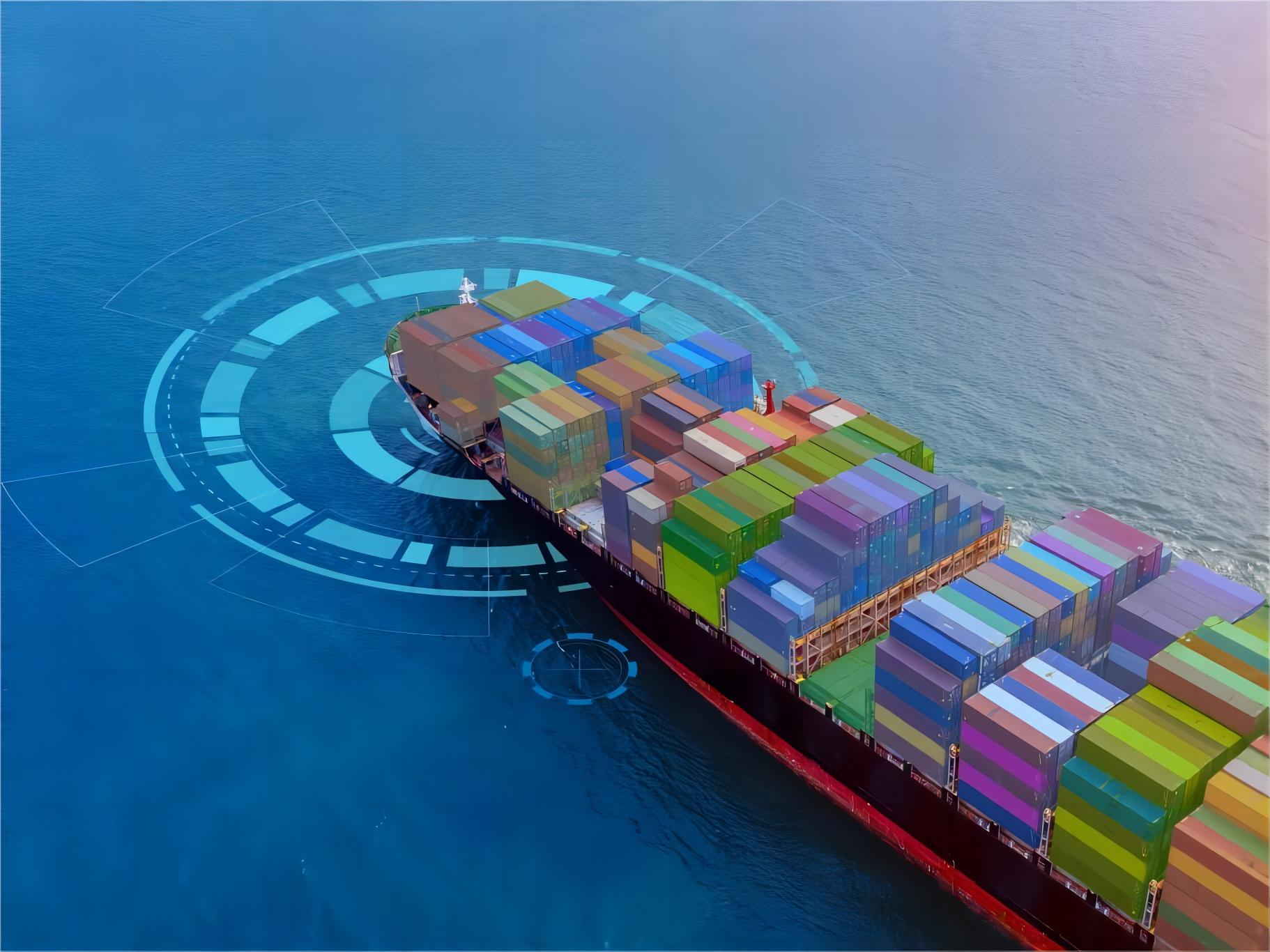
Understanding China Cargo Shipping for Importers Costs in 2026
❖Logistics costs in 2026 have stabilized after the fluctuations seen in previous years, yet fuel surcharges remain a significant variable. Therefore, you must factor in port fees, trucking costs, and insurance when calculating your final budget. Furthermore, seasonal peaks during the third quarter typically see rates rise by 20 percent due to holiday demand.
Typical rates as of early 2026 suggest that a 40HQ container from Shanghai to the US West Coast ranges between $3,100 and $3,900. Meanwhile, shipping to European ports like Rotterdam often costs slightly more due to longer transit distances. In addition, you should always request a detailed quote that breaks down origin and destination charges to avoid hidden fees.
| Route | 20GP Container | 40HQ Container | Transit Time |
|---|---|---|---|
| China to USA West | $1,800 – $2,400 | $3,100 – $3,900 | 14-18 Days |
| China to USA East | $2,700 – $3,600 | $4,600 – $5,800 | 28-35 Days |
| China to Europe | $2,100 – $2,800 | $3,500 – $4,600 | 30-40 Days |
| China to Australia | $900 – $1,300 | $1,500 – $2,100 | 12-20 Days |
Navigating Customs Clearance and Documentation
❖Customs clearance represents one of the most complex hurdles for those engaged in China cargo shipping for importers. Specifically, missing or incorrect paperwork can lead to expensive storage fees at the port or even cargo seizure. For this reason, partnering with a professional customs brokerage is highly recommended for first-time and experienced importers alike.
Essential documents include the Commercial Invoice, Packing List, and Bill of Lading, which serve as the legal proof of your transaction and shipment. Moreover, you must ensure that your Harmonized System (HS) codes are accurate to determine the correct duty and tax rates. Consequently, proactive preparation of these documents ensures a smooth transition through the border without unnecessary delays.
Importers must also stay updated on trade regulations and tariffs that may affect their specific product categories. For instance, certain goods might require additional certifications or inspections before they can be released. Therefore, maintaining a clear line of communication with your freight forwarder is vital for navigating these regulatory requirements.
Realistic Case Studies for 2026 Shipments
❖Case Study 1: Electronics Distribution. Route: Shenzhen to Los Angeles. Cargo: Consumer electronics, 18 CBM, 4,500kg. Container: 20GP. Shipping Details: Carrier: COSCO, Port of Loading: Shenzhen, Port of Discharge: Los Angeles. Route Type: Direct. Cost Breakdown: Ocean Freight: $2,150, Origin Charges: $450, Destination Charges: $600, Customs & Duties: $1,200, Total Landed Cost: $4,400. Timeline: Sea Transit: 16 days, Total Door-to-Door: 24 days. Key Insight: Early booking allowed the importer to secure a rate 15% below the peak season average.
Case Study 2: Fashion Retail Restock. Route: Ningbo to Hamburg. Cargo: Apparel and textiles, 62 CBM, 11,000kg. Container: 40HQ. Shipping Details: Carrier: Maersk, Port of Loading: Ningbo, Port of Discharge: Hamburg. Route Type: Direct. Cost Breakdown: Ocean Freight: $4,100, Origin Charges: $550, Destination Charges: $850, Customs & Duties: $2,300, Total Landed Cost: $7,800. Timeline: Sea Transit: 34 days, Total Door-to-Door: 45 days. Key Insight: Using door to door services simplified the final mile delivery to the warehouse.
Case Study 3: Amazon Seller Inventory. Route: Shanghai to New York. Cargo: Home decor, 5 CBM, 1,200kg. Container: LCL. Shipping Details: Carrier: Major carrier, Port of Loading: Shanghai, Port of Discharge: New York. Route Type: Transshipment via Singapore. Cost Breakdown: Ocean Freight: $650, Origin Charges: $300, Destination Charges: $450, Customs & Duties: $500, Total Landed Cost: $1,900. Timeline: Sea Transit: 38 days, Total Door-to-Door: 50 days. Key Insight: Utilizing Amazon FBA prep services in China reduced destination processing time.

Strategies for Reducing Cargo Shipping Costs
❖Reducing your shipping expenses requires a combination of smart planning and negotiation with your freight partners. One effective method is to consolidate multiple small orders into a single FCL shipment to lower the per-unit cost. Additionally, choosing off-peak shipping times can help you avoid the high surcharges associated with the busy season.
Importers should also optimize their packaging to maximize the use of space within the container. Since freight rates are often based on volume, reducing the size of your boxes can lead to significant savings over time. Furthermore, comparing quotes from multiple forwarders ensures that you are receiving the most competitive market rate available.
Note: Freight rates are subject to change based on fuel costs, carrier capacity, and seasonal demand. Contact us for a current quote tailored to your specific shipment.
Final Thoughts on Importing from China
Successful China cargo shipping for importers depends on a thorough understanding of the logistics landscape and proactive management of the supply chain. By choosing the right shipping method, ensuring accurate documentation, and planning for seasonal fluctuations, you can significantly enhance your business profitability. Remember that the cheapest option is not always the best if it results in missed deadlines or damaged goods. Ultimately, building a strong relationship with a reliable freight forwarder will provide the stability needed to navigate the complexities of international trade in 2026.
Ready to streamline your logistics?
Streamline your China cargo shipping for importers by partnering with our logistics experts today. Request a personalized quote to discover the most efficient routes and competitive rates for your 2026 supply chain. Send Inquiry to get started.
Request Quote