
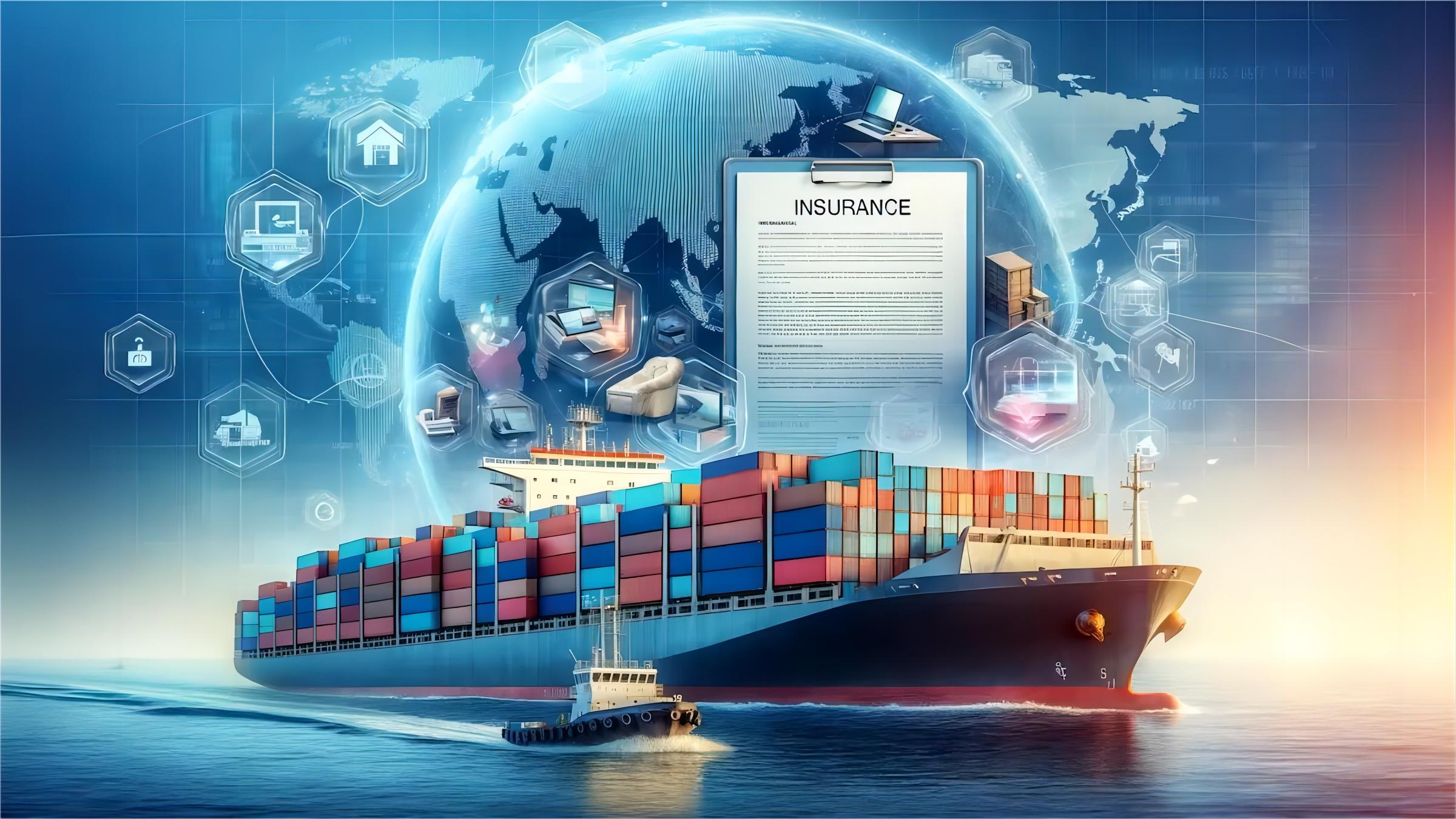
China Cargo Shipping Tracking: The Ultimate Guide for 2026 Success
Managing international trade requires precision and constant visibility into your supply chain. For businesses importing goods, China Freight World offers the comprehensive tools and expertise needed to navigate complex logistics. Implementing a robust china cargo shipping tracking system is no longer optional but a critical necessity for maintaining operational efficiency in 2026. This guide will explore how real-time data and advanced monitoring can transform your shipping experience and protect your bottom line.
Why China Cargo Shipping Tracking is Essential for Modern Business
Global trade dynamics have shifted significantly as we enter 2026, making visibility more valuable than ever before. Consequently, businesses that invest in high-quality china cargo shipping tracking can anticipate delays and manage customer expectations with greater accuracy. Without reliable data, you risk facing hidden costs and inventory stockouts that can damage your brand reputation.
Moreover, the integration of real-time monitoring allows for better coordination with warehouse teams and last-mile delivery providers. Therefore, understanding the location and status of your goods helps in streamlining the entire import process. Many companies now rely on automated alerts to stay informed about departure and arrival milestones.
Additionally, tracking provides a historical record of carrier performance and port efficiency. By analyzing this data, you can make more informed decisions about which routes and carriers offer the most reliable service for your specific needs. Indeed, transparency is the foundation of a resilient and agile supply chain.
How to Use China Cargo Shipping Tracking Systems Effectively
Modern tracking systems utilize a combination of Bill of Lading numbers and container numbers to provide precise location data. Specifically, you can enter these identifiers into carrier websites or third-party logistics platforms to see the current status of your shipment. Furthermore, many advanced systems now incorporate GPS and IoT sensors for even more granular detail.
However, simply having access to a tracking number is not enough to ensure a smooth delivery process. You must also understand the various status updates, such as ‘Gate-in’, ‘Loaded on Vessel’, and ‘Transshipment’, to interpret the data correctly. As a result, training your logistics team to monitor these updates can prevent minor issues from becoming major disruptions.
In addition, integrating your tracking data with your internal ERP system can automate many manual tasks. For instance, your inventory levels can be updated automatically based on the estimated arrival time of incoming cargo. This level of synchronization is what separates market leaders from their competitors in the 2026 landscape.
How Does Sea Freight Compare to Other Shipping Options?
Choosing the right shipping method is a balance between cost, speed, and the level of tracking detail required. While sea freight remains the most popular choice for large volumes, alternatives like air and rail offer different advantages. Understanding these trade-offs is essential for optimizing your logistics strategy.
For example, air freight provides the fastest transit times but comes at a significantly higher price point. On the other hand, rail freight offers a middle ground, particularly for shipments moving from China to Europe. Each method has a unique tracking profile, with air freight generally offering the most frequent updates.
Nevertheless, sea freight continues to be the backbone of global commerce due to its cost-effectiveness for bulk commodities. To help you decide, we have compiled a comparison of the primary shipping methods available in 2026.
| Shipping Method | Cost Range (2026) | Transit Time | Best For |
|---|---|---|---|
| Sea Freight (FCL) | $2,500 – $5,500 | 18 – 40 Days | Bulk goods and large volumes |
| Air Freight | $5.00 – $9.00/kg | 3 – 7 Days | High-value or urgent cargo |
| Rail Freight | $1,200 – $2,800 | 15 – 22 Days | Mid-sized shipments to Europe |
| Express Service | $8.00 – $15.00/kg | 2 – 5 Days | Small parcels and samples |

Navigating Customs with China Cargo Shipping Tracking
Customs clearance is often the most unpredictable stage of the shipping process. Consequently, utilizing a professional customs brokerage service can help you navigate the complex regulations of 2026. Tracking your shipment through the customs phase allows you to identify if a ‘Customs Hold’ or ‘Exam’ has been initiated.
Furthermore, having your documentation in order before the vessel arrives is crucial for avoiding expensive demurrage and detention fees. For instance, ensuring that your Commercial Invoice and Packing List match the tracking data can prevent unnecessary inspections. Therefore, proactive communication with your broker is vital during this stage.
In addition, some modern tracking platforms now provide automated notifications when a shipment has been cleared by customs. This allows your drayage provider to schedule the final delivery immediately, reducing the time your cargo spends at the terminal. Without a doubt, visibility into the customs status is a major advantage for importers.
Which Option Should You Choose? Decision Framework
Selecting the ideal shipping method requires a clear understanding of your business priorities and cargo characteristics. If your primary goal is to minimize costs, sea freight is almost always the best choice for shipments over 15 CBM. However, if you are moving high-value electronics that lose value quickly, air freight might be more economical in the long run.
Meanwhile, rail freight has become a highly reliable alternative for China-to-Europe routes, offering a faster transit than sea at a lower cost than air. Specifically, rail freight is excellent for automotive parts and industrial machinery. You should also consider hybrid solutions like Sea-Air for a balance of speed and cost.
To make the best choice, evaluate your shipment based on volume thresholds and urgency. For example, shipments under 1 CBM are often best handled via express courier, while 1-10 CBM shipments might benefit from LCL sea freight. Always check the latest market rates as they can fluctuate based on seasonal demand.
Real-World Case Studies: China Cargo Shipping Tracking in Action
Analyzing real-world scenarios can provide valuable insights into how china cargo shipping tracking works in practice. Below are two detailed case studies based on actual shipments handled in early 2026. These examples highlight the costs, timelines, and challenges associated with different routes.
Case Study 1: Electronics from Shenzhen to Los Angeles. This shipment involved a 40HQ container of consumer electronics. Because the importer used real-time tracking, they were able to identify a port congestion issue in LA early. Consequently, they rerouted the cargo to the Port of Long Beach, saving three days of transit time.
Case Study 2: Industrial Equipment from Ningbo to Hamburg. This case involved a large LCL shipment of machinery parts. By monitoring the tracking status, the importer noticed a delay during transshipment in Singapore. They immediately contacted their forwarder to prioritize the cargo for the next available vessel, ensuring their production line remained operational.
Case Study 1: Shenzhen to Los Angeles (Sea Freight)
Route: Shenzhen, China to Los Angeles, USA
Cargo: Consumer Electronics, 65 CBM, 12,000 kg
Container: 40HQ Full Container Load (FCL)
Carrier: Major Trans-Pacific Carrier
Cost Breakdown:
– Ocean Freight: $3,850
– Origin Charges: $420
– Destination Charges: $580
– Total Landed Cost: $4,850
Timeline:
– Sea Transit: 16 Days
– Customs Clearance: 2 Days
– Total Door-to-Door: 22 Days
Key Insight: Real-time tracking allowed for proactive port selection to avoid 2026 West Coast congestion.
Case Study 2: Ningbo to Rotterdam (Rail Freight)
Route: Ningbo, China to Rotterdam, Netherlands
Cargo: Textile Products, 12 CBM, 3,500 kg
Method: LCL Rail Freight
Port of Loading: Xi’an Inland Terminal
Cost Breakdown:
– Rail Freight: $2,100
– Handling Fees: $350
– Customs & Duties: $850
– Total Landed Cost: $3,300
Timeline:
– Rail Transit: 19 Days
– Customs Clearance: 3 Days
– Total Door-to-Door: 26 Days
Key Insight: Rail offered a 40% time saving compared to sea freight with manageable costs.
Advanced Strategies for Cost-Saving and Efficiency in 2026
Optimizing your shipping costs requires more than just finding the lowest rate; it requires a strategic approach to logistics management. For instance, consolidating multiple small shipments into a single FCL can significantly reduce your per-unit shipping cost. Moreover, choosing a door to door service can eliminate hidden fees from multiple providers.
Additionally, you should consider the impact of seasonal trends on freight rates. Typically, rates from China increase by 20-30% during the peak season from August to October. Therefore, planning your inventory arrivals for the shoulder seasons can lead to substantial savings. Indeed, timing is just as important as the shipping method itself.
Another effective strategy is to negotiate long-term contracts with freight forwarders if you have consistent volumes. This provides price stability in a volatile market and often includes premium tracking features. As a result, your business can budget more accurately for the entire fiscal year.
Summary of China Cargo Shipping Tracking Benefits
In conclusion, mastering china cargo shipping tracking is a fundamental skill for any successful importer in 2026. By leveraging real-time data, choosing the right shipping methods, and utilizing professional services, you can build a more resilient supply chain. Remember that visibility is not just about knowing where your cargo is, but about using that information to make better business decisions.
As market conditions continue to evolve, staying informed about the latest logistics trends and technologies will remain essential. We encourage you to implement the strategies discussed in this guide to enhance your operational efficiency and maintain a competitive edge. Your journey toward a more transparent and cost-effective shipping process starts with the right tracking tools.

Need a tailored shipping solution?
Take control of your global logistics today with our advanced china cargo shipping tracking solutions. Whether you are moving small parcels or full containers, our team is ready to provide you with a competitive quote and the visibility you need to succeed in 2026. Contact China Freight World now to optimize your supply chain and reduce your shipping costs.
Frequently Asked Questions
What information do I need to track my China cargo?
Why is my china cargo shipping tracking status not updating?
How accurate are the estimated arrival times in 2026?
Can I track my shipment through customs clearance?
Is there a difference between carrier tracking and forwarder tracking?
Does rail freight from China offer real-time tracking?
What should I do if my shipment is marked as delayed?
Are there apps for china cargo shipping tracking?