
China Customs Clearance Tracking: The 2026 Guide to Global Logistics
Effective china customs clearance tracking is the cornerstone of a successful international supply chain in 2026. Businesses today require absolute visibility into their cargo movements to maintain lean inventory levels. You can partner with China Freight World to ensure your goods pass through checkpoints without unnecessary delays. This guide explores the modern tools and strategies used to monitor your shipments from the factory floor to the final destination.
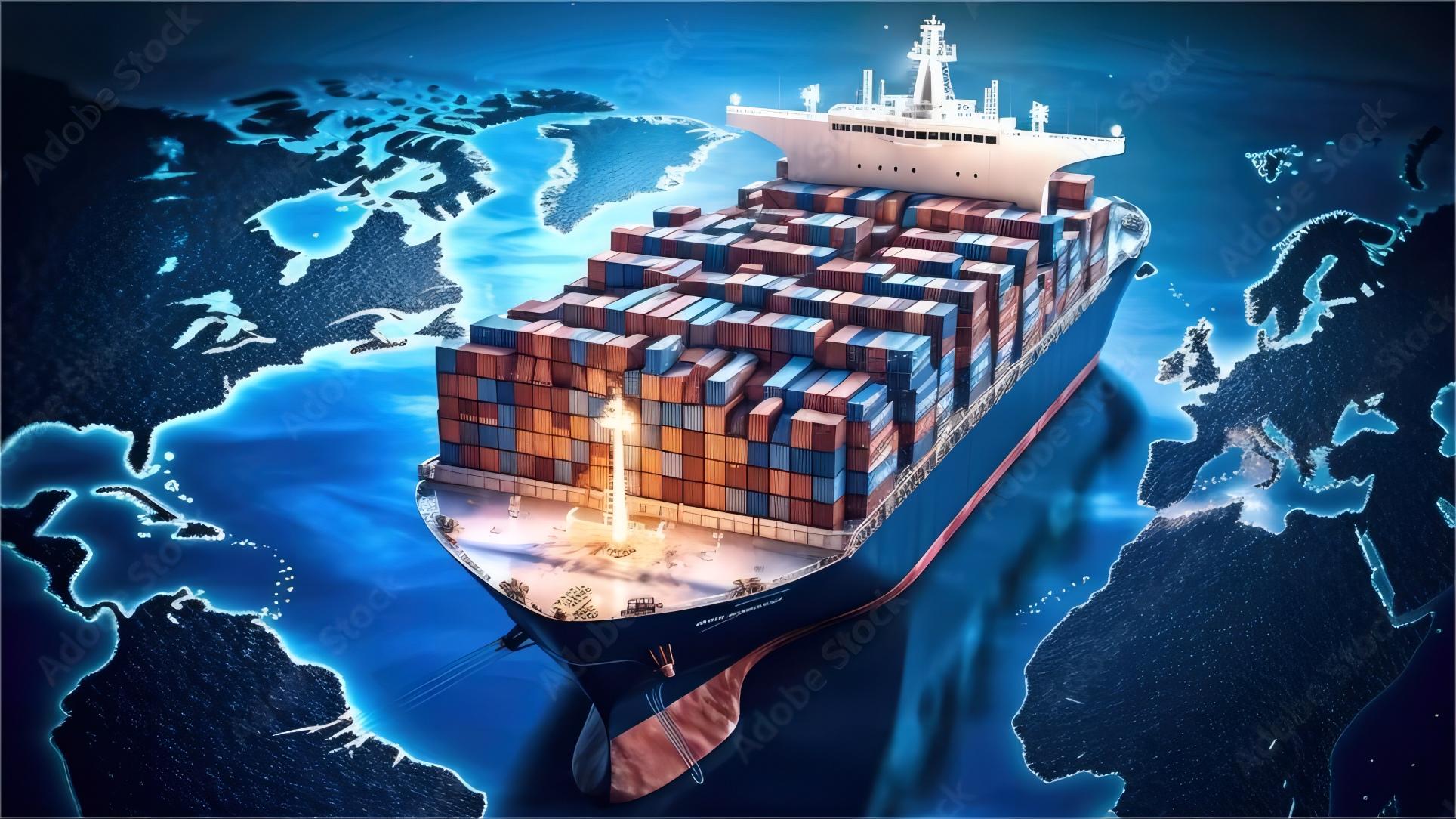
What Is China Customs Clearance Tracking and Why Is It Vital?
In the complex world of international trade, china customs clearance tracking refers to the systematic monitoring of goods as they undergo regulatory inspection. This process involves multiple stakeholders including carriers, customs officials, and freight forwarders. Consequently, having real-time data allows importers to anticipate arrival times and manage customer expectations effectively.
Modern tracking systems utilize electronic data interchange and blockchain technology to provide high-level transparency. Moreover, these digital solutions help identify potential bottlenecks before they result in significant financial losses. Therefore, understanding the status of your cargo at every stage is no longer a luxury but a fundamental business requirement.
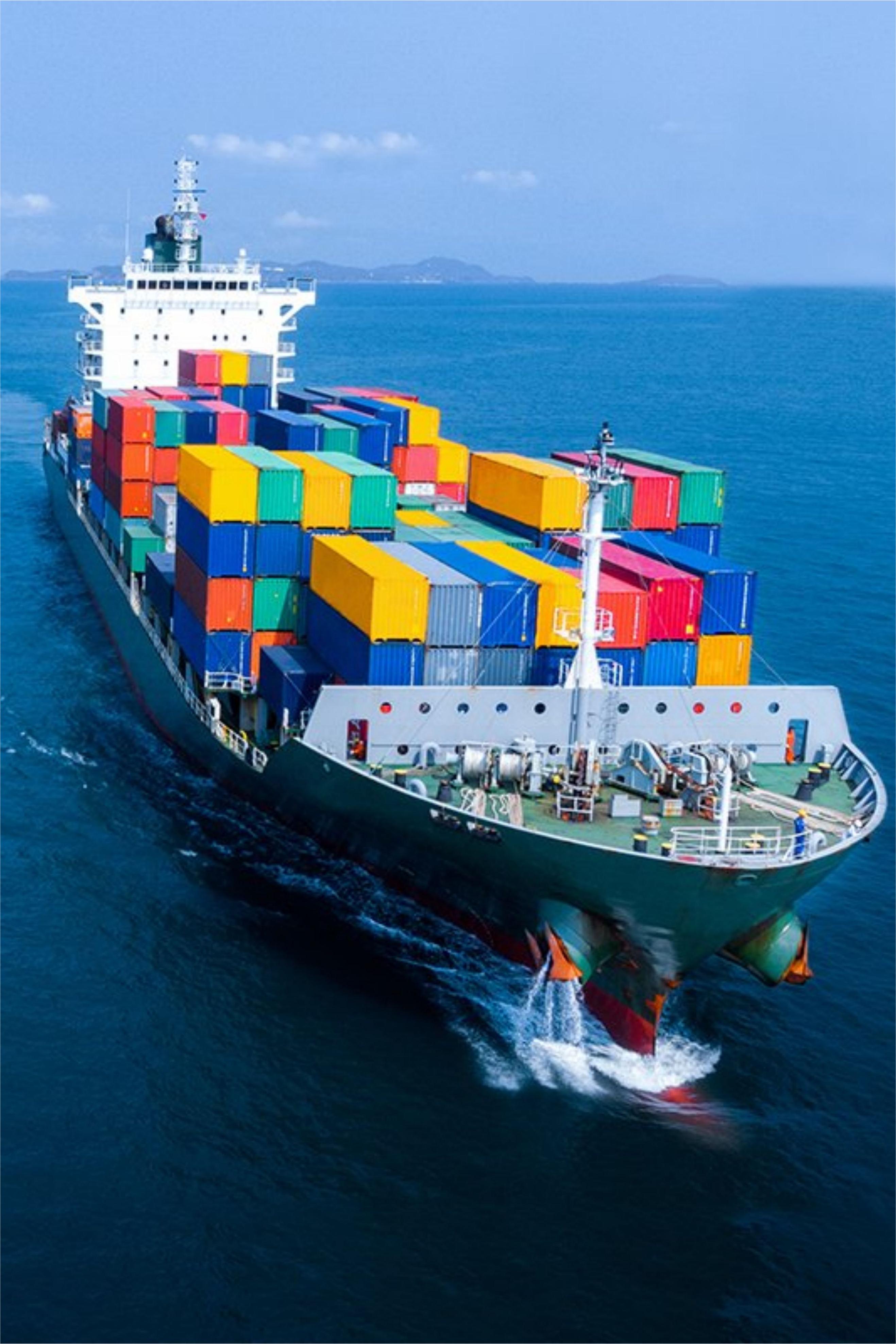
Without accurate tracking, your supply chain remains vulnerable to unpredictable disruptions and hidden costs. Additionally, the ability to trace documents ensures that all legal requirements are met during the export phase. Indeed, professional logistics management relies heavily on the integration of these tracking capabilities into daily operations.
How Do Digital Tools Enhance Tracking Accuracy in 2026?
The logistics landscape has shifted toward complete automation as we move through 2026. For instance, many companies now use artificial intelligence to predict customs delays based on historical data patterns. Furthermore, express service providers have integrated advanced GPS sensors into individual packages for granular visibility.
Cloud-based platforms allow all parties to access the same information simultaneously, reducing communication errors. Meanwhile, automated alerts notify stakeholders of status changes such as ‘Customs Released’ or ‘Held for Inspection’. Accordingly, this immediate feedback loop enables faster decision-making when issues arise at the port of entry.
Smart contracts are also playing a larger role in verifying the authenticity of shipping documents. As a result, the risk of fraudulent activity is minimized while the speed of clearance increases significantly. Nevertheless, human expertise remains essential for navigating the nuances of specific regional regulations and trade agreements.
What Role Does Sea Freight Play in Customs Visibility?
Choosing sea freight remains the most popular option for high-volume shipments due to its cost-effectiveness. However, tracking ocean cargo requires a different approach compared to air or road transport. For example, vessel tracking relies on AIS data which provides the geographical location of the ship but not necessarily the specific customs status of the container.
Integrated logistics providers bridge this gap by connecting carrier data with customs filing systems. Consequently, you can see when your container has been discharged and when the customs declaration has been accepted. Furthermore, sea freight tracking often involves monitoring multiple transshipment points if the vessel is not on a direct route.
To maximize visibility, importers should request the Master Bill of Lading number as early as possible. This identifier acts as the primary key for all tracking queries across various maritime databases. In addition, working with a forwarder who offers a unified tracking portal can save hours of manual data entry and searching.
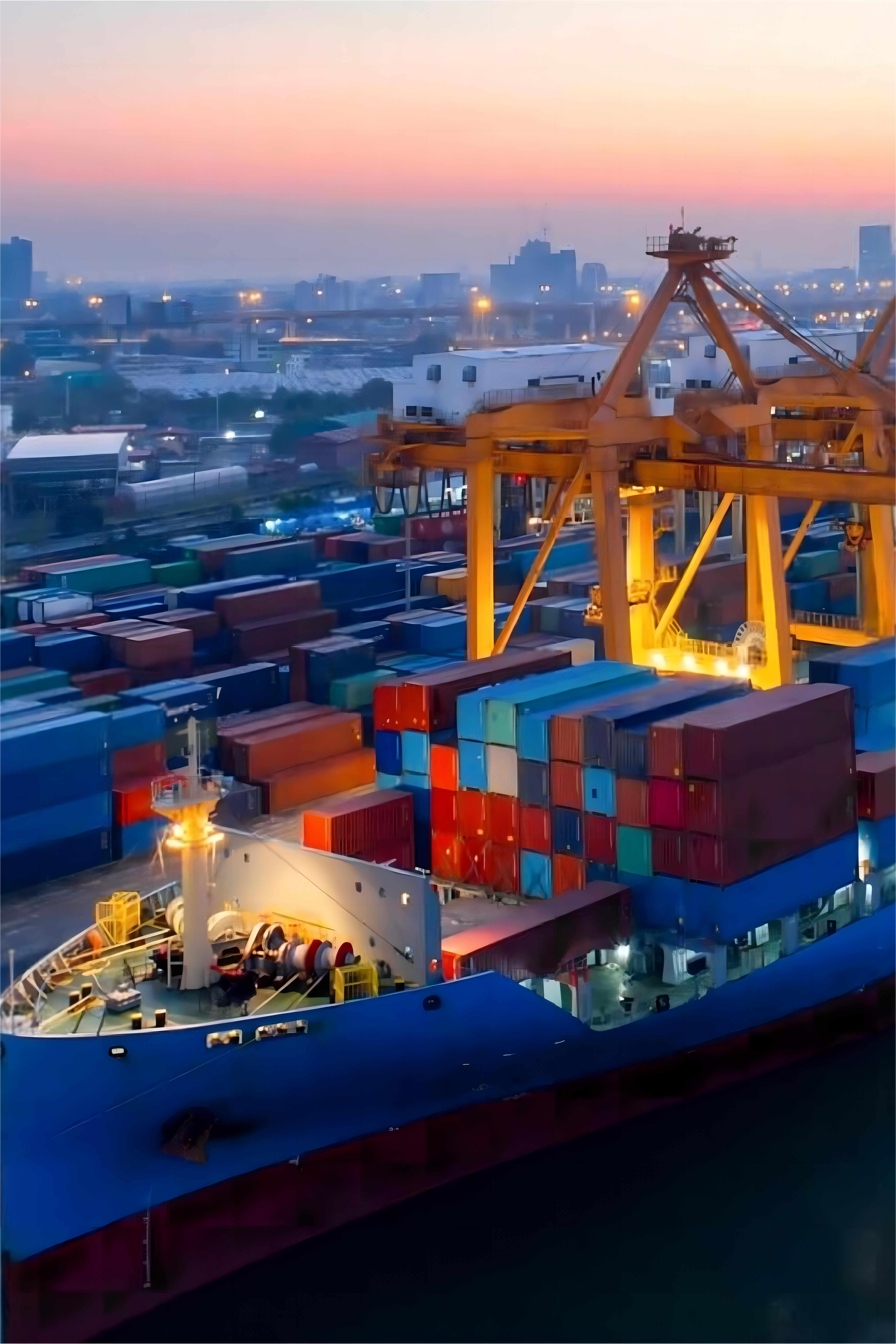
How Does Air Freight Tracking Differ in Speed and Detail?
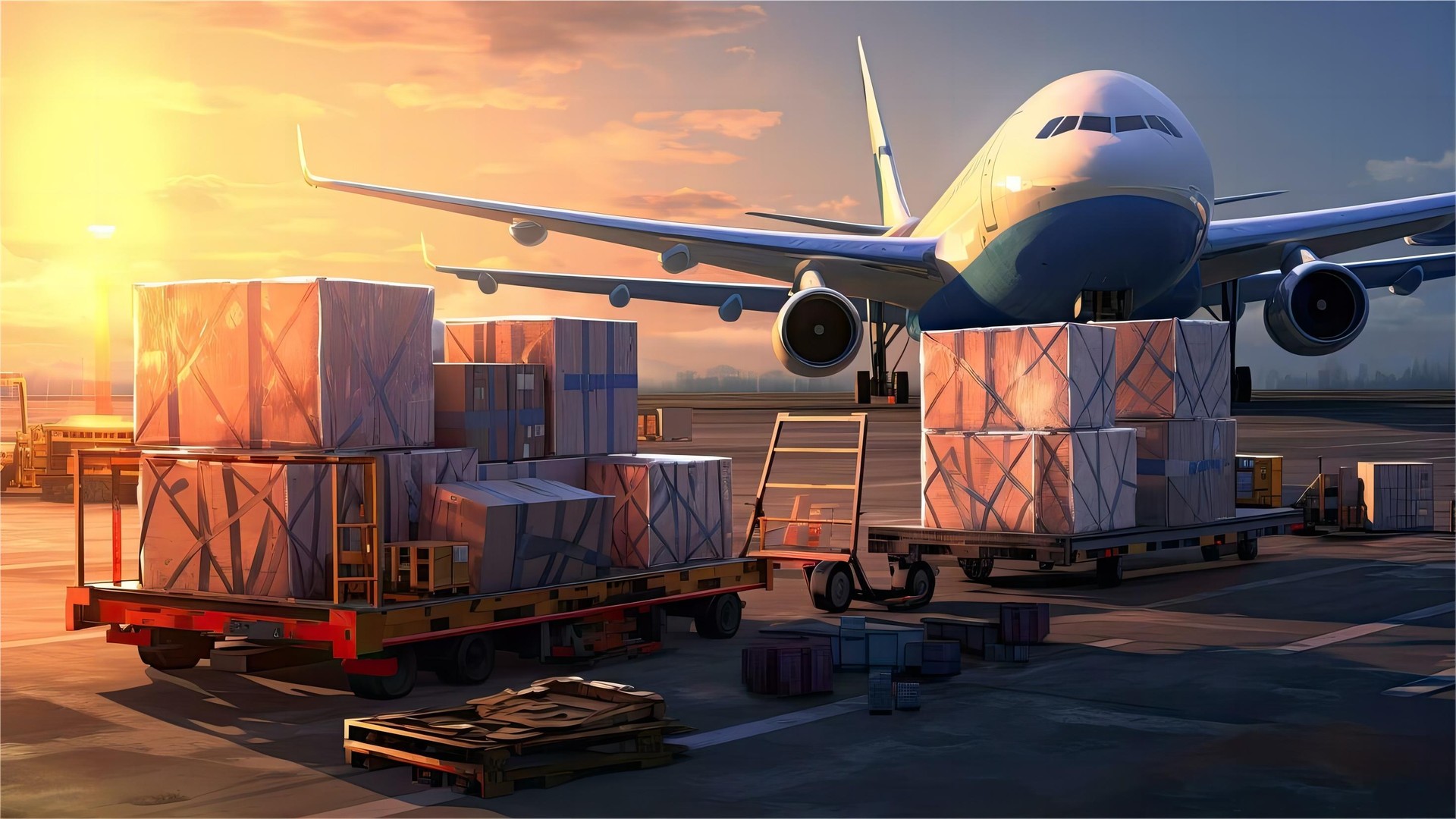
When time is the most critical factor, air freight offers the fastest transit times and most frequent tracking updates. Because planes move much faster than ships, the windows for customs clearance are significantly shorter. Therefore, the tracking data must be updated in near real-time to be useful for the logistics team.
Air waybills provide a direct link to the airline’s tracking system, showing precisely when the cargo was loaded, departed, and landed. Moreover, customs clearance for air shipments often begins while the plane is still in transit. This pre-clearance strategy is a major advantage for businesses handling perishable goods or high-value electronics.
In contrast to sea freight, air cargo tracking usually includes more detailed milestones within the airport terminal. For instance, you can see when the goods moved from the tarmac to the bonded warehouse. Consequently, this level of detail helps in coordinating the final mile delivery with precision.
Why Is a Professional Customs Broker Essential for Tracking?
Navigating the intricacies of international trade law requires specialized knowledge that only a customs brokerage can provide. These experts act as intermediaries between your business and the government authorities. Furthermore, they are responsible for ensuring that all classifications and valuations are accurate to avoid penalties.
A professional broker provides an additional layer of tracking by monitoring the status of your specific entry filings. For example, they can see if a shipment is flagged for a physical exam or a document review before it becomes a major delay. Accordingly, having a broker on your side means you have a proactive advocate within the customs environment.
In addition to filing paperwork, brokers help manage the payment of duties and taxes through secure channels. This financial integration ensures that cargo is not held up due to payment discrepancies. To summarize, the broker’s role is to ensure that the tracking status moves from ‘Arrival’ to ‘Released’ as smoothly as possible.
The following table provides a checklist of essential documents required for successful tracking and clearance in 2026.
| Commercial Invoice | Details value/type | Determines duties | Customs |
| Packing List | Lists all items | Physical inspection | Warehouse |
| Bill of Lading | Title to goods | Primary tracking ID | Carrier |
| Certificate of Origin | Proves source | Trade agreement use | Customs |
Can Door to Door Services Simplify the Tracking Experience?
Many businesses prefer door to door shipping because it consolidates the entire journey into a single tracking number. Instead of managing separate legs for ocean, customs, and trucking, you receive a holistic view of the progress. Consequently, this approach reduces the administrative burden on your internal logistics team.
Door to door providers take full responsibility for the customs clearance process at both the origin and destination. Moreover, they often include all-in pricing which covers the cost of the brokerage and final delivery. Therefore, you can accurately calculate the landed cost of your products before they even leave the factory.
This service model is particularly beneficial for small to medium enterprises that lack a dedicated shipping department. Additionally, the unified tracking interface provides a clear timeline of when the goods will arrive at your warehouse. Indeed, the convenience of a single point of contact makes this a highly attractive option for modern importers.
How Does China Customs Clearance Tracking Compare to Other Shipping Options?
While sea and air are the primary modes of transport, alternative strategies like rail freight or hybrid sea-air solutions offer unique benefits. For instance, rail freight from China to Europe has become a stable middle-ground option in 2026. However, tracking rail cargo involves monitoring movement across multiple national borders and gauge changes.
Hybrid solutions, such as shipping by sea to a hub and then by air to the final destination, require sophisticated tracking integration. Moreover, each mode of transport has different customs requirements that must be synchronized. Consequently, the choice of method depends heavily on your specific budget and timeline requirements.
For shipments under 15 CBM, Less than Container Load (LCL) may be more economical than a full container, though it adds complexity to tracking. In contrast, Full Container Load (FCL) offers a more straightforward tracking path as the entire unit moves together. Without a doubt, selecting the right method requires a careful analysis of the trade-offs involved.
| Sea Freight (FCL) | $2,500 – $4,500 | 25 – 40 Days | Bulk Goods |
| Air Freight | $5.00 – $12.00/kg | 3 – 7 Days | Urgent Cargo |
| Rail Freight | $1,800 – $3,200 | 18 – 22 Days | Mid-range |
| Express | $8.00 – $15.00/kg | 2 – 5 Days | Samples/Small |
Which Option Should You Choose for Maximum Visibility?
The ideal choice depends on whether you prioritize speed, cost, or ease of management. If budget is your primary concern, sea freight with a professional broker offers the best value despite the longer transit times. On the other hand, if you need goods immediately, air freight or express services provide superior tracking granularity.
Volume thresholds also play a significant role in your decision. For example, once your shipment exceeds 15 CBM, switching from LCL to FCL often simplifies the tracking process and reduces the risk of damage. Furthermore, cargo type considerations, such as hazardous materials, may limit your options to specific carriers with specialized tracking capabilities.
We recommend a hybrid approach for companies with diverse product lines. Use sea freight for your core inventory to keep costs low and air freight for high-demand items or emergency restocks. Consequently, this strategy balances financial efficiency with the need for a responsive and visible supply chain.
Real Case Studies: Tracking Success in 2026
Case Study 1: Electronics from Shenzhen to Hamburg. Route: Shenzhen -> Hamburg, Germany. Cargo: Consumer Electronics, 28 CBM, 4500 kg. Container: 40GP. Shipping Method: Sea Freight via COSCO. Port of Loading: Shenzhen. Port of Discharge: Hamburg. Route Type: Direct. Ocean Freight: $3,200. Origin Charges: $450. Destination Charges: $600. Customs and Duties: $1,200. Total Landed Cost: $5,450. Timeline: Booking to Loading: 3 days. Sea Transit: 32 days. Customs Clearance: 2 days. Total Door-to-Door: 40 days. Key Insight: Early filing of the electronic manifest allowed for immediate clearance upon arrival.
Case Study 2: Fashion Apparel from Shanghai to New York. Route: Shanghai -> New York, USA. Cargo: High-end Apparel, 5 CBM, 800 kg. Container: LCL. Shipping Method: Air Freight via Major Carrier. Port of Loading: Shanghai Pudong. Port of Discharge: JFK International. Route Type: Direct. Air Freight: $6,400. Origin Charges: $300. Destination Charges: $400. Customs and Duties: $2,100. Total Landed Cost: $9,200. Timeline: Booking to Loading: 1 day. Air Transit: 1 day. Customs Clearance: 1 day. Total Door-to-Door: 5 days. Key Insight: Pre-clearance while the cargo was in the air resulted in zero warehouse dwell time.
Case Study 3: Industrial Parts from Ningbo to Sydney. Route: Ningbo -> Sydney, Australia. Cargo: Spare Parts, 12 CBM, 2200 kg. Container: LCL. Shipping Method: Sea Freight via Maersk. Port of Loading: Ningbo. Port of Discharge: Port Botany. Route Type: Direct. Ocean Freight: $1,100. Origin Charges: $250. Destination Charges: $350. Customs and Duties: $500. Total Landed Cost: $2,200. Timeline: Booking to Loading: 4 days. Sea Transit: 16 days. Customs Clearance: 2 days. Total Door-to-Door: 25 days. Key Insight: Utilizing a local broker in Sydney ensured that the specific Australian quarantine requirements were met without delay.
Summary of Customs Tracking Strategies
Mastering china customs clearance tracking is essential for any business involved in international trade in 2026. By leveraging digital tools and professional brokerage services, you can minimize delays and maximize supply chain efficiency. Remember that transparency is the key to managing costs and meeting delivery deadlines in a competitive global market.
Whether you choose sea, air, or express shipping, the principles of accurate documentation and proactive monitoring remains the same. Partnering with an experienced forwarder will provide the peace of mind needed to focus on your core business activities. Start optimizing your tracking processes today to ensure a smoother journey for your cargo tomorrow.
Ready to streamline your logistics?
Ensure your business stays ahead with reliable china customs clearance tracking and expert logistics support. Contact our team today to streamline your 2026 shipping strategy and receive a competitive quote. Send Inquiry:
Frequently Asked Questions
How long does china customs clearance tracking usually take?
The process typically takes 1 to 5 days depending on the mode of transport and the accuracy of the documentation provided.
What is the most common reason for tracking delays?
Incorrect documentation or missing harmonized system codes are the primary causes for shipments being held at customs checkpoints.
Can I track my shipment using only a container number?
Yes, but for full customs status visibility, you often need the Bill of Lading or a specific customs entry number.
Does air freight always clear customs faster than sea freight?
Generally yes, because air cargo systems are designed for high-velocity processing and often utilize pre-clearance protocols.
What are the 2026 trends in customs tracking technology?
Key trends include AI-driven predictive analytics, blockchain-based document verification, and real-time IoT sensor integration for high-value goods.
Are there extra fees for customs tracking services?
Most professional freight forwarders include basic tracking in their service, though advanced real-time sensor monitoring may incur additional costs.
How can I avoid physical inspections by customs?
While inspections can be random, maintaining a consistent record of compliant filings and using a certified broker reduces the likelihood of flags.
Is rail freight tracking available for China to Europe routes?
Yes, rail freight offers robust tracking, though it involves monitoring multiple rail operators across different national borders.