
China Customs Clearance Shipping Time: 2026 Logistics Guide. Options: 1. China Customs Clearance Shipping Time: 2026 Gui
“Navigating the complexities of international trade requires a deep understanding of logistics timelines and regulatory requirements. At China Freight World, we specialize in streamlining the movement of goods across borders to ensure your business stays competitive. Managing your china customs clearance shipping time effectively serves as a cornerstone for maintaining a resilient and predictable supply chain in 2026. This comprehensive guide provides the latest insights into transit durations, documentation needs, and strategic planning to help you avoid costly delays and optimize your import operations.”
❖
What Factors Influence China Customs Clearance Shipping Time in 2026?
❖
Several variables determine the speed at which your cargo moves through the regulatory framework. Specifically, the accuracy of your documentation remains the most significant factor in preventing hold-ups at the port of loading. Furthermore, seasonal peaks such as the period leading up to the Lunar New Year can create bottlenecks that extend processing times by several days.
Customs authorities in 2026 have implemented more advanced digital screening processes to enhance security. Consequently, while these systems aim for efficiency, any discrepancy in digital filings can trigger manual inspections. Therefore, ensuring that every detail on your commercial invoice matches the packing list is essential for a smooth transition.
Port congestion also plays a pivotal role in the overall timeline for your shipments. Indeed, major hubs like Shanghai and Ningbo often face high volumes that can delay the release of containers. Meanwhile, smaller regional ports might offer faster processing but could have fewer sailing schedules available for your specific route.
Labor availability and local holidays in China frequently impact the operational capacity of customs offices. For instance, during the Golden Week holiday, many government offices operate with limited staff or close entirely. As a result, planning your shipment arrivals outside of these major holiday windows is a wise strategic move for any importer.
❖
Average Transit Times by Shipping Method
❖
Choosing the right transportation mode significantly affects your total china customs clearance shipping time. For large-scale shipments, sea freight offers the most cost-effective solution but requires the longest transit window. Typically, ocean shipments involve a multi-stage process including drayage, port handling, and sea transit.
Air transport provides a much faster alternative for time-sensitive cargo or high-value goods. When you utilize air freight, you can expect the customs clearance process to be prioritized due to the nature of the service. However, this speed comes at a higher price point compared to sea or rail options.
Rail connections between China and Europe have become increasingly reliable in early 2026. This method serves as a middle ground, offering faster speeds than sea freight and lower costs than air transport. Nevertheless, geopolitical stability along the rail corridors remains a factor that logistics managers must monitor closely.
Express services represent the pinnacle of speed for smaller parcels and urgent documents. By choosing an express service, you benefit from integrated customs handling that often clears goods while they are still in transit. Consequently, this method is ideal for samples or critical spare parts needed to keep production lines running.
| Method | Avg. Transit Time | Customs Time | Best For |
|---|---|---|---|
| Sea Freight | 25-45 Days | 3-7 Days | Bulk Goods |
| Air Freight | 3-7 Days | 1-2 Days | High Value |
| Rail Freight | 15-22 Days | 2-4 Days | Mid-sized Cargo |
| Express | 2-5 Days | 0-1 Day | Urgent Parcels |
❖
How Does Sea Freight Compare to Other Shipping Options?
❖
Objective analysis reveals that sea freight remains the backbone of global trade despite its longer durations. While sea freight costs approximately 2,000 to 4,200 dollars for a standard container in 2026, air freight for equivalent volume could exceed 20,000 dollars. Moreover, the environmental impact of ocean transport is significantly lower per ton-mile than air alternatives.
Direct shipping routes from China to major global ports have seen improvements in reliability this year. For example, a direct vessel to the US West Coast might take 14 to 18 days, whereas transshipment routes could add another week. Additionally, choosing Full Container Load (FCL) over Less than Container Load (LCL) can save 3 to 5 days in handling time.
Hybrid solutions like sea-air combinations are gaining popularity among savvy supply chain managers. These strategies involve shipping by sea to a hub like Dubai or Singapore and then flying the cargo to the final destination. Indeed, this approach balances cost and speed, providing a flexible alternative during peak seasons when direct air capacity is tight.
Decision makers should weigh the inventory carrying costs against the savings of slower transport methods. If your product has a short shelf life, the higher cost of air freight is often justified by the reduced china customs clearance shipping time. Conversely, for stable commodities, the long lead times of sea freight allow for better capital management.
| Shipping Method | Cost Range | Transit Time | Limitations |
|---|---|---|---|
| Sea FCL | $1,800 – $6,000 | 14-40 Days | Port Congestion |
| Air Freight | $5 – $12 per kg | 3-7 Days | Weight Limits |
| Rail Freight | $120 – $250 per CBM | 15-25 Days | Route Specific |
| Sea-Air Hybrid | Moderate | 12-18 Days | Complex Handling |
❖
Which Option Should You Choose?
❖
Budget priority dictates a preference for sea freight or rail options for inland destinations. If your primary goal is minimizing expenditure, scheduling shipments well in advance allows you to utilize the most economical ocean carriers. Furthermore, consolidating smaller orders into a single FCL shipment can drastically reduce your per-unit shipping costs.
Speed priority necessitates the use of air freight or express courier services. When a stockout is imminent, the premium paid for air transport is a necessary investment to maintain customer satisfaction. Additionally, utilizing door to door services can further accelerate the process by eliminating the need for separate local logistics coordination.
Cargo type considerations often force a specific choice regardless of cost or speed. For instance, hazardous materials or oversized machinery may only be eligible for specific sea freight vessels. Meanwhile, delicate electronics benefit from the reduced handling and smoother transit found in air cargo environments.
Volume thresholds play a critical role in determining the most efficient shipping strategy. For shipments under 1 CBM, express services are usually the most logical choice due to simplified pricing. However, once you exceed 15 CBM, moving to a 20-foot container (FCL) becomes more economical than paying LCL rates.
❖
Essential Documentation for Reducing Customs Delays
❖
Accurate paperwork is the most effective tool for ensuring your china customs clearance shipping time remains within expected limits. In 2026, the digital transition means that Electronic Data Interchange (EDI) is the standard for submitting manifest information. Consequently, any manual errors in the Bill of Lading or Commercial Invoice can lead to immediate system flags.
Customs brokers play a vital role in navigating the specific HS Code classifications required for your products. By hiring a professional customs brokerage, you ensure that your goods are declared correctly to avoid fines or seizures. Moreover, they can advise on any new trade agreements or tariff changes that might affect your landed costs.
Certificates of Origin are increasingly scrutinized to ensure compliance with regional trade blocs. For example, shipping to Europe requires specific documentation to benefit from preferential tariff rates. Indeed, having these documents ready before the vessel departs China is a best practice that prevents delays at the destination port.
Packing lists must be detailed and match the physical contents of the container exactly. If an inspector finds items not listed on the manifest, the entire shipment may be held for an intensive exam. Therefore, implementing strict quality control at the warehouse level in China is essential for logistics success.
| Document Name | Required By | Key Information | Importance |
|---|---|---|---|
| Commercial Invoice | All Customs | Value, Quantity | Critical |
| Packing List | Port Authorities | Weight, Dimensions | High |
| Bill of Lading | Carriers | Title of Goods | Mandatory |
| Certificate of Origin | Trade Regulators | Manufacturing Site | Variable |
❖
Case Study 1: Electronics from Shenzhen to Los Angeles
❖
Case Study 1: High-Volume Consumer Electronics. Route: Shenzhen, China to Los Angeles, USA. Cargo: Smart Home Devices, 28 CBM, 4,500 kg. Container: 40GP. Shipping Details: Carrier: Major trans-Pacific carrier. Port of Loading: Shenzhen (Yantian). Port of Discharge: Los Angeles. Route Type: Direct.
Cost Breakdown: Ocean Freight: 2,450 dollars. Origin Charges: 450 dollars. Destination Charges: 600 dollars. Customs and Duties: 1,200 dollars. Total Landed Cost: 4,700 dollars. Timeline: Booking to Loading: 3 days. Sea Transit: 16 days. Customs Clearance: 2 days. Total Door-to-Door: 21 days.
Key Insight: Utilizing a direct service to the West Coast minimized handling and ensured the shipment arrived ahead of a major product launch. Based on Q1 2026 market rates, this shipment avoided the congestion often seen at East Coast ports. Note: Freight rates are subject to change based on fuel costs, carrier capacity, and seasonal demand. Contact us for a current quote tailored to your specific shipment.
❖
Case Study 2: Industrial Parts from Shanghai to Hamburg
❖
Case Study 2: Urgent Manufacturing Components. Route: Shanghai, China to Hamburg, Germany. Cargo: Precision CNC Parts, 2 CBM, 800 kg. Container: LCL. Shipping Details: Service: Rail Freight. Port of Loading: Shanghai (Inland Terminal). Port of Discharge: Hamburg. Route Type: Trans-Eurasian Rail.
Cost Breakdown: Rail Freight: 550 dollars. Origin Charges: 200 dollars. Destination Charges: 300 dollars. Customs and Duties: 450 dollars. Total Landed Cost: 1,500 dollars. Timeline: Booking to Loading: 4 days. Rail Transit: 19 days. Customs Clearance: 3 days. Total Door-to-Door: 26 days.
Key Insight: Rail freight provided a significant time saving over sea freight while remaining much cheaper than air transport for these heavy parts. Typical rates as of early 2026 show rail as a stable alternative for European destinations. Note: Freight rates are subject to change based on fuel costs, carrier capacity, and seasonal demand. Contact us for a current quote tailored to your specific shipment.
❖
Case Study 3: Apparel from Guangzhou to Sydney
❖
Case Study 3: Seasonal Fashion Collection. Route: Guangzhou, China to Sydney, Australia. Cargo: Cotton Garments, 15 CBM, 2,200 kg. Container: LCL. Shipping Details: Carrier: Regional Ocean Carrier. Port of Loading: Guangzhou (Nansha). Port of Discharge: Sydney. Route Type: Direct.
Cost Breakdown: Ocean Freight: 950 dollars. Origin Charges: 300 dollars. Destination Charges: 400 dollars. Customs and Duties: 550 dollars. Total Landed Cost: 2,200 dollars. Timeline: Booking to Loading: 2 days. Sea Transit: 14 days. Customs Clearance: 2 days. Total Door-to-Door: 18 days.
Key Insight: Efficient documentation and pre-clearing the goods through Australian customs allowed for immediate delivery upon vessel arrival. Market data suggests that Australia-China routes remain highly efficient in 2026. Note: Freight rates are subject to change based on fuel costs, carrier capacity, and seasonal demand. Contact us for a current quote tailored to your specific shipment.
❖
Strategies to Minimize Customs Delays
❖
Implementing a pre-clearance strategy can significantly reduce the time your goods spend sitting in a warehouse. This involves submitting all necessary data to the destination customs authority before the vessel even arrives. Consequently, many shipments receive ‘released’ status while still at sea, allowing for immediate pickup upon docking.
Maintaining a clean compliance record with customs authorities is another long-term strategy for success. Businesses that consistently provide accurate data are often flagged as ‘low risk’ by automated systems. As a result, these companies experience fewer random inspections and faster overall china customs clearance shipping time.
Investing in high-quality packaging and labeling prevents physical delays during the inspection process. If a customs officer needs to examine your goods, clear labeling and accessible packing make the process much faster. In contrast, poorly organized containers can lead to hours or days of manual labor to verify contents.
Finally, staying informed about global logistics trends and regulatory updates is crucial for 2026. Trade policies can change rapidly, and being proactive allows you to adjust your shipping routes or documentation ahead of time. Partnering with an experienced logistics provider ensures you have access to real-time market intelligence.
Summary of China Customs Clearance Shipping Time
Successfully managing your china customs clearance shipping time requires a combination of strategic planning, accurate documentation, and the right choice of transport mode. Throughout this guide, we have explored how different methods like sea, air, and rail freight impact your total transit duration in 2026. By understanding the factors that influence delays and implementing proactive strategies, you can ensure your goods move efficiently across the globe.
Remember that the logistics landscape is constantly evolving, making it essential to work with partners who understand the current market conditions. Whether you are shipping bulk commodities or urgent electronics, prioritizing compliance and efficiency will always yield the best results. Focus on clear communication with your freight forwarder to navigate any challenges that may arise during the customs process.
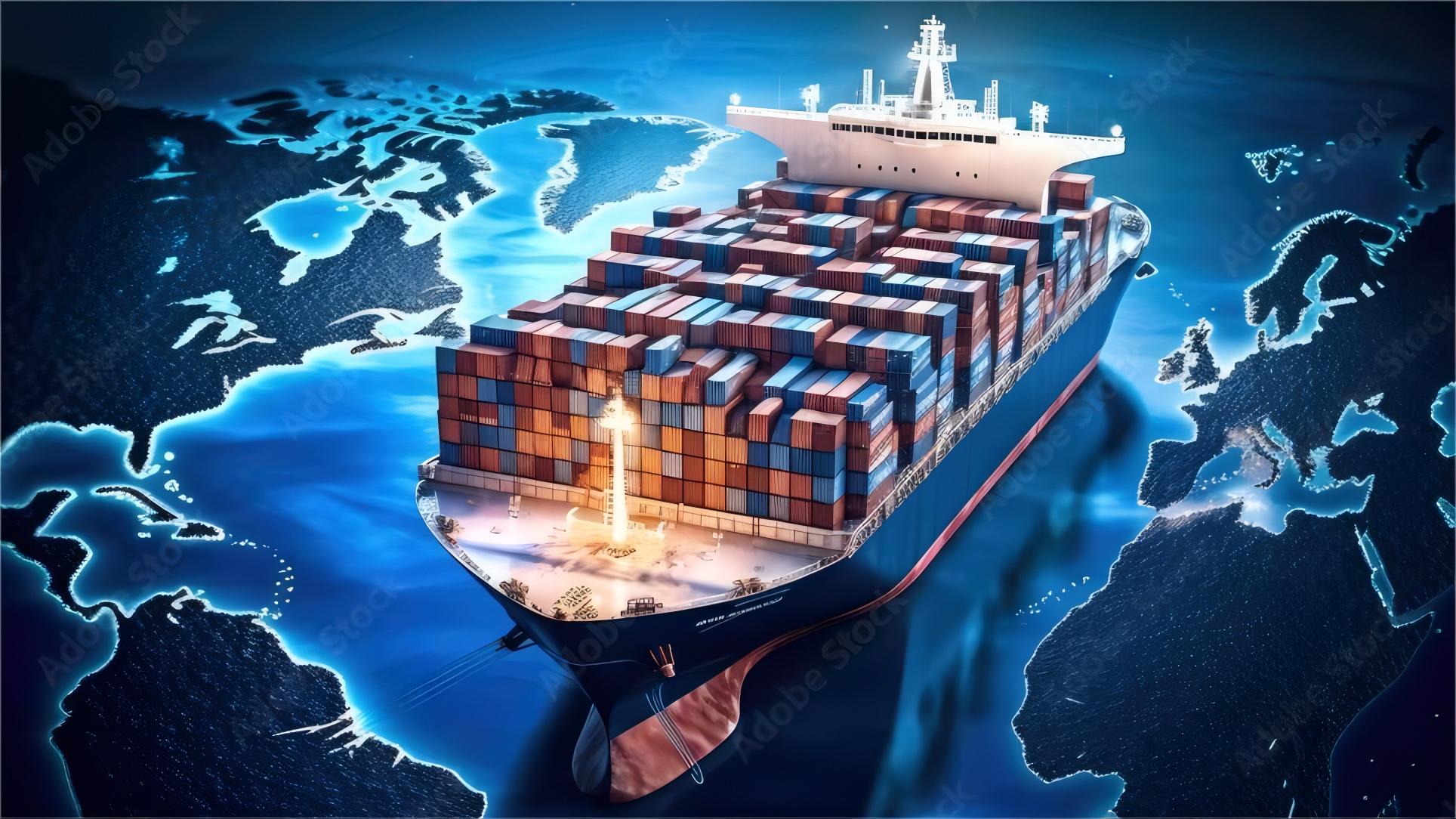
Ready to streamline your logistics?
Ready to optimize your supply chain and reduce your china customs clearance shipping time? Contact our expert team today for a customized quote and professional guidance on your next shipment. Send Inquiry: https://chinafreightworld.com/contact-us/
Frequently Asked Questions
How long does customs clearance usually take in China?
Can I speed up the china customs clearance shipping time?
What are the most common reasons for customs delays?
Does the shipping method affect customs clearance speed?
Are there seasonal variations in shipping times?
Is rail freight a viable alternative for fast shipping?
What documents are mandatory for China export customs?
Should I use FCL or LCL for faster clearance?