

China Export Logistics Bulk Cargo: 2026 Comprehensive Guide
By partnering with China Freight World, buyers gain factory-direct clarity on specs, lead times, and landed expectations. Managing china export logistics bulk cargo remains a cornerstone of global trade efficiency as we navigate the complexities of 2026. Many businesses struggle with the sheer scale of moving uncontained or massive volumes across international waters. Consequently, this guide provides the essential framework needed to optimize your supply chain and ensure timely delivery of your heavy assets.
What Should Buyers Know First About China Export Logistics?
Bulk cargo refers to commodities that are transported unpackaged in large quantities. Unlike containerized goods, these materials are usually dropped or poured into a hold. Indeed, the logistics involved require specialized equipment and deep-water port access.
Major categories include dry bulk like coal or grain and liquid bulk such as chemicals or petroleum. Furthermore, the 2026 market has seen a shift toward more sustainable handling practices. Therefore, selecting a partner who understands these environmental regulations is paramount for long-term success.
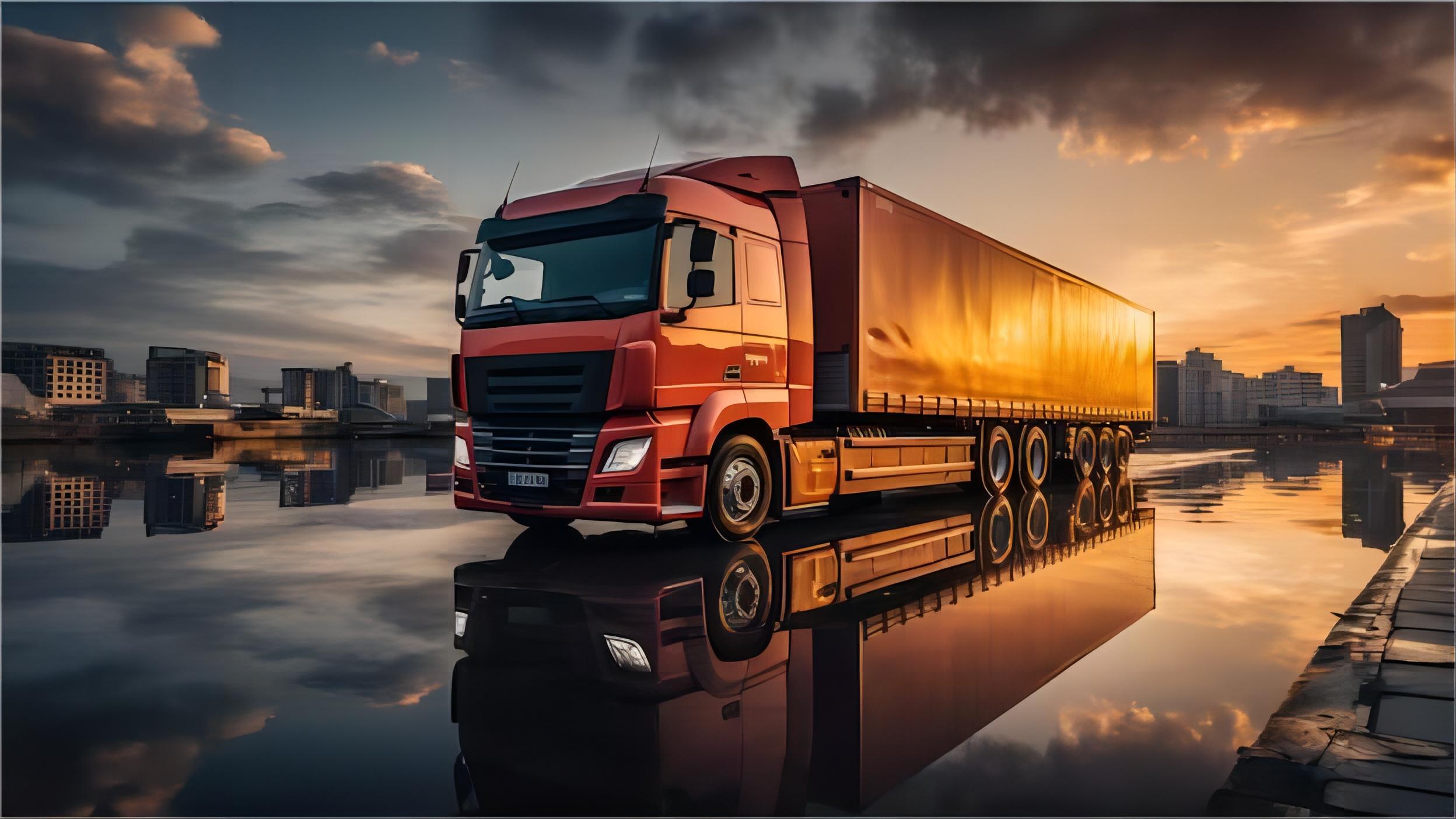
Shipping large volumes requires a deep understanding of terminal handling charges and vessel availability. Meanwhile, the integration of digital tracking has made monitoring these massive shipments much easier than in previous years. See rail freight for options that match this corridor.
Why Sea Freight is the Preferred Choice for Bulk Shipments
Utilizing sea freight offers the most economical solution for transporting thousands of tons of material. While other methods exist, the capacity of a bulk carrier is unmatched by any aircraft or train. Consequently, businesses can achieve significant economies of scale.
Freight rates for ocean transport have remained relatively stable throughout early 2026. However, seasonal fluctuations still occur during the peak summer months. In contrast, the reliability of scheduled sailings from major Chinese ports like Ningbo and Shanghai remains high.
Maritime logistics providers now use advanced algorithms to predict port congestion. As a result, transit times are becoming more predictable for international freight forwarding. Nevertheless, shippers must account for potential weather delays in their delivery schedules.
How to Navigate Customs Brokerage for Bulk Exports?
Professional customs brokerage is essential when dealing with the high-value declarations associated with bulk cargo. Every shipment must comply with both Chinese export laws and the destination country’s import regulations. Therefore, accurate documentation is the first line of defense against delays.
Customs officials in 2026 utilize automated screening systems to process large shipments faster. Additionally, ensuring your Harmonized System (HS) codes are correct prevents unnecessary inspections. For instance, mislabeling raw materials can lead to heavy fines and port storage fees.
Working with an experienced broker simplifies the complex web of tariffs and duties. Moreover, they can advise on trade agreements that might reduce your overall tax burden. Without a doubt, this expertise is a critical component of efficient supply chain management.
| Document Type | Purpose | Required By | Processing Time |
|---|---|---|---|
| Bill of Lading | Title of goods | Carrier/Customs | 1-2 Days |
| Commercial Invoice | Value declaration | Customs | Immediate |
| Packing List | Itemized details | Port Authority | Immediate |
| Certificate of Origin | Tax eligibility | Import Customs | 2-3 Days |
Can Air Freight or Rail Freight Handle Bulk Cargo?
While air freight is incredibly fast, it is rarely suitable for traditional bulk commodities due to weight restrictions. However, it can be used for high-value specialized bulk chemicals or emergency components. Consequently, the cost per kilogram is significantly higher than sea transport.
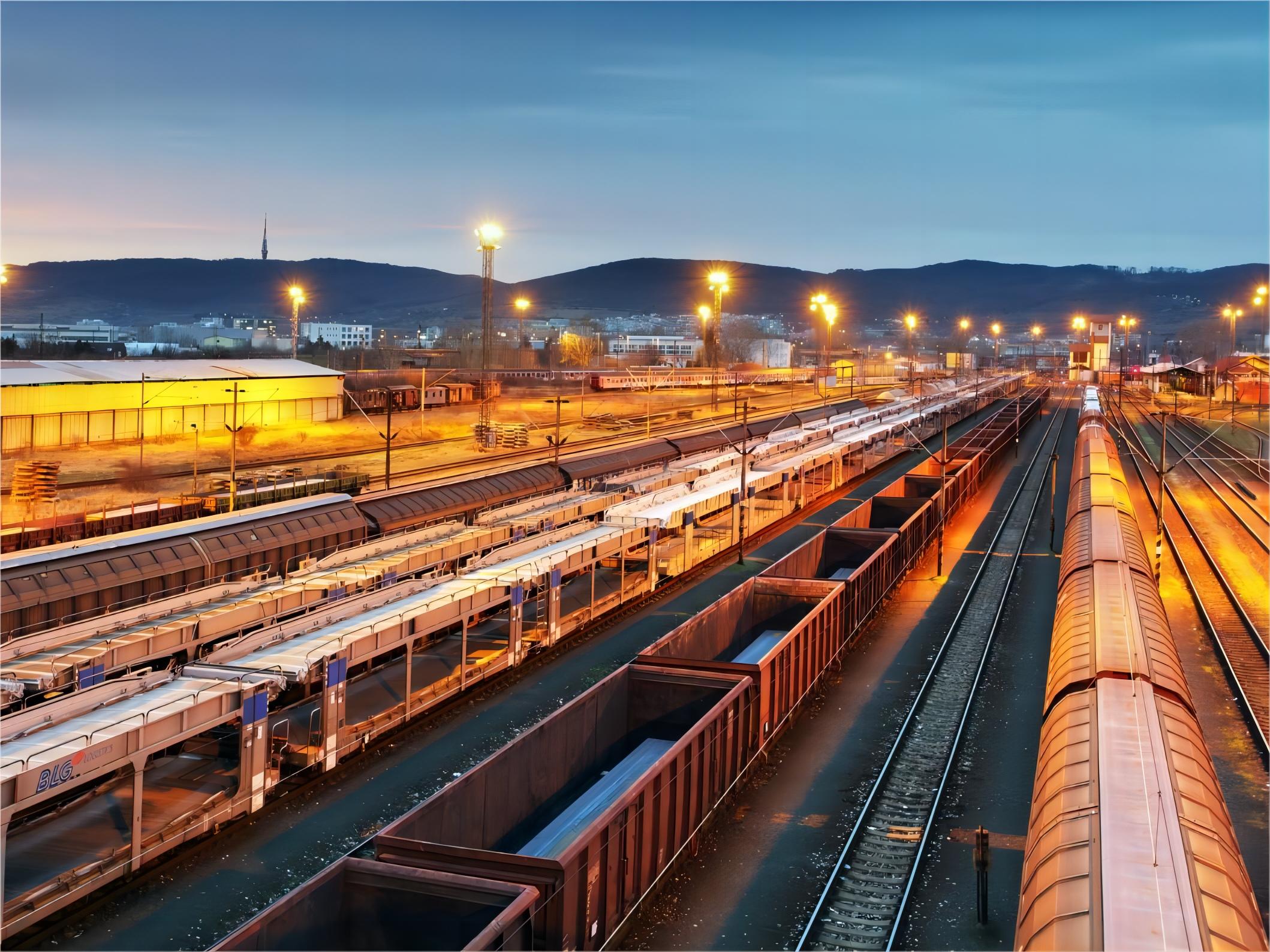
Similarly, rail freight serves as a middle ground for shipments moving from China to Europe. It offers faster transit than sea but carries more volume than air. Nevertheless, rail infrastructure has specific limitations regarding hazardous bulk materials.
Choosing the right mode depends heavily on your budget and urgency. For example, a delay in a construction project might justify the higher cost of rail to get raw materials on-site. In addition, hybrid solutions are becoming more popular for complex logistics needs.
How Are Landed Costs Typically Built?
Objectively analyzing your shipping options ensures that you do not overpay for speed you do not need. Bulk shipping is fundamentally different from parcel or containerized shipping. Therefore, a direct comparison of costs and limitations is necessary for informed decision-making.
Sea freight remains the king of volume, whereas air freight is the king of speed. Meanwhile, rail offers a balanced alternative for land-locked destinations. Without a doubt, the specific nature of your cargo will dictate the most viable path.
Note: Freight rates are subject to change based on fuel costs, carrier capacity, and seasonal demand. Contact us for a current quote tailored to your specific shipment.
| Shipping Method | Cost Range | Transit Time | Best For |
|---|---|---|---|
| Sea Bulk | $1,500 – $4,500 | 25-40 Days | Raw Materials |
| Rail Freight | $4,000 – $7,000 | 15-22 Days | Industrial Parts |
| Air Freight | $15,000+ | 3-7 Days | Urgent Samples |
| Sea FCL | $2,500 – $5,500 | 20-35 Days | Finished Goods |
Which Option Should You Choose?
Budget priority usually dictates a preference for sea-based bulk carriers. If your primary goal is minimizing the landed cost per unit, ocean transport is the only logical choice. Moreover, the massive capacity allows for the transport of items that simply won’t fit in a standard container.
Speed priority might lead you toward rail or even specialized air solutions for smaller ‘bulk’ batches. If a production line is at risk of stopping, the premium cost becomes a secondary concern. Consequently, many managers keep a small percentage of their inventory in faster transit channels.
Cargo type considerations are also vital, as hazardous or liquid bulk requires specific vessel certifications. Indeed, not every ship is equipped to handle every type of material. Therefore, verifying the carrier’s capabilities is a mandatory step in the planning phase.
Implementing Door to Door Strategies for Bulk Goods
A comprehensive door to door service removes the burden of managing multiple vendors. This approach covers everything from the factory floor in China to the final warehouse at the destination. As a result, the risk of communication breakdowns is significantly reduced.
Logistics providers coordinate the trucking, port handling, and ocean transit seamlessly. Furthermore, they manage the final mile delivery which is often the most complex part of bulk logistics. Meanwhile, real-time tracking provides peace of mind throughout the entire journey.
Streamlining these steps often leads to lower overall costs by eliminating redundant handling fees. In addition, a single point of contact makes resolving issues much faster. Consequently, many large-scale importers are moving toward this integrated model in 2026.
Real-World Case Studies for Bulk Cargo
Case Study 1: Industrial Minerals to Europe
Route: Tianjin, China to Rotterdam, Netherlands. Cargo: Industrial Grade Silica, 500 CBM, 450,000 kg. Container: Bulk Carrier (Non-containerized).
Shipping Details: Carrier: Major bulk carrier. Port of Loading: Tianjin. Port of Discharge: Rotterdam. Route Type: Direct.
Cost Breakdown: Ocean Freight: $22,500. Origin Charges: $1,200. Destination Charges: $1,800. Customs and Duties: $4,500. Total Landed Cost: $30,000.
Timeline: Booking to Loading: 5 days. Sea Transit: 32 days. Customs Clearance: 2 days. Total Door-to-Door: 39 days.
Key Insight: Using a direct bulk vessel saved approximately 15% compared to containerizing the silica into multiple 20GP units. Based on early 2026 market rates.
Case Study 2: Construction Steel to USA West Coast
Route: Shanghai, China to Long Beach, USA. Cargo: Structural Steel Beams, 120 tons. Container: Breakbulk.
Shipping Details: Carrier: Specialized heavy-lift vessel. Port of Loading: Shanghai. Port of Discharge: Long Beach. Route Type: Direct.
Cost Breakdown: Ocean Freight: $18,000. Origin Charges: $2,500. Destination Charges: $3,200. Customs and Duties: $8,000. Total Landed Cost: $31,700.
Timeline: Booking to Loading: 7 days. Sea Transit: 16 days. Customs Clearance: 3 days. Total Door-to-Door: 26 days.
Key Insight: Pre-clearing customs while the vessel was in transit prevented expensive demurrage charges at Long Beach. Market data suggests this is the most efficient route for steel.
Mastering the Future of Bulk Logistics
Navigating the world of china export logistics bulk cargo is no small feat, but with the right strategies, it becomes a powerful growth lever. By understanding the differences between sea, rail, and air freight, you can make decisions that protect your margins. Furthermore, leveraging professional customs brokerage and door-to-door services ensures your cargo moves without friction.
As we move further into 2026, the focus on efficiency and digital integration will only increase. Stay ahead of the curve by choosing logistics partners who embrace these trends. Ultimately, a well-managed bulk shipping strategy is the foundation of a resilient and profitable global supply chain.
Get Your Shipping Quote Today
Optimizing your china export logistics bulk cargo requires a partner with deep industry expertise and a global network. Whether you are moving raw materials or heavy machinery, we provide the tailored solutions you need to succeed in 2026. Contact us today to receive a competitive quote and streamline your international shipping operations. Visit our inquiry page to get started: See chinafreightworld.com
Request Quote