
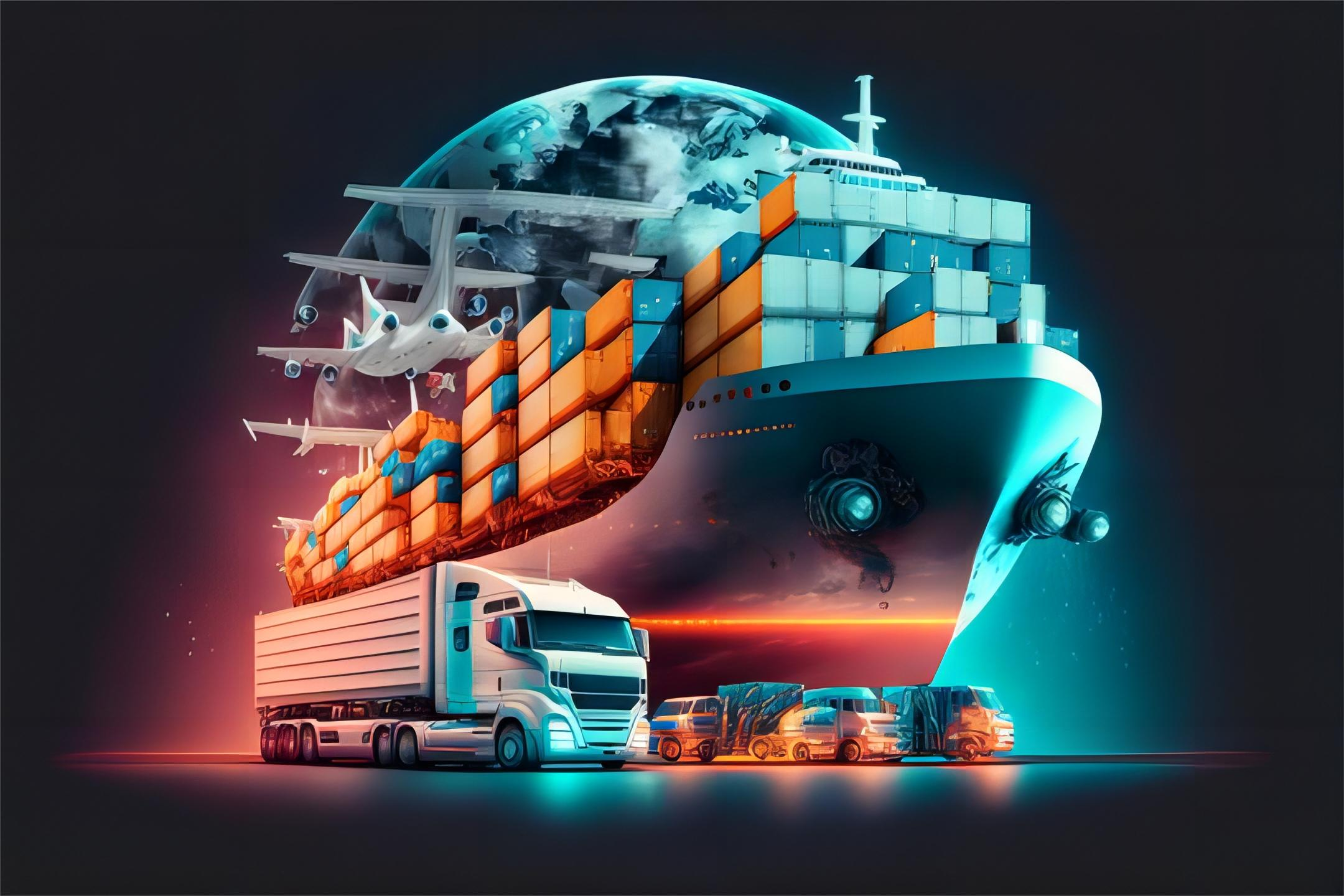
China Freight Forwarder for Ecommerce Local Warehouse: A Strategic Guide
“Selecting a reliable china freight forwarder for ecommerce local warehouse remains the most critical decision for modern online sellers aiming to scale globally. Many businesses struggle with high shipping costs and slow delivery times, which directly impact customer satisfaction and profit margins. This guide provides a comprehensive roadmap to mastering your supply chain by leveraging professional logistics partners and strategic warehousing solutions.”
What is a China Freight Forwarder for Ecommerce Local Warehouse?
❖A specialized freight forwarder acts as the bridge between your Chinese manufacturers and your target market’s local storage facilities. These experts manage the entire transportation process, ensuring that your inventory moves efficiently across borders and into regional distribution centers.
Furthermore, they handle the complexities of international trade, including documentation, carrier negotiations, and multi-modal transport coordination. By focusing on ecommerce needs, they prioritize speed and reliability to keep your stock levels optimal.
Specifically, these forwarders understand the requirements of platforms like Amazon, Shopify, and eBay. They ensure your cargo arrives in a condition that meets strict warehouse receiving standards, reducing the risk of rejected shipments.
Key Benefits of Using Local Warehousing for Ecommerce
❖Utilizing local warehouses allows you to offer significantly faster delivery times to your customers. Consequently, this leads to higher conversion rates and better reviews, as shoppers increasingly demand next-day or two-day shipping options.
Moreover, local storage helps you avoid the volatility of international shipping during peak seasons. By pre-positioning stock, you can maintain consistent delivery schedules even when global freight lanes face congestion or delays.
Additionally, local warehousing simplifies the returns process. Instead of customers shipping items back to China, they can send returns to a regional facility, which reduces costs and improves the overall user experience.
How Does Local Warehousing Compare to Other Shipping Options?
❖Understanding the differences between direct shipping and local warehousing is essential for cost management. While direct shipping from China might seem cheaper for low volumes, it often fails to meet the speed requirements of competitive markets.
In contrast, bulk shipping to a local warehouse via sea freight drastically reduces the per-unit cost. This approach requires more upfront capital but offers the best long-term margins for established brands.
Therefore, most successful sellers use a hybrid model. They keep the bulk of their inventory in local warehouses while using air freight for urgent restocks or high-demand product launches.
| Direct Air Mail | High ($15-30/kg) | 7-14 Days | Small/Light Items |
| Local Warehouse (Sea) | Low ($0.5-2/unit) | 30-45 Days | Bulk Inventory |
| Express Service | Very High | 3-5 Days | Urgent Samples |
| Local Warehouse (Rail) | Medium | 18-25 Days | Europe Shipments |

Which Shipping Option Should You Choose?
❖Choosing the right method depends on your current business stage and product type. If your priority is budget and you have high-volume goods, sea freight to a local warehouse is the most logical choice.
On the other hand, if you are testing a new product with low demand certainty, direct shipping might be safer to avoid high storage fees. You must balance the cost of capital tied up in inventory against the potential for lost sales due to slow shipping.
Indeed, cargo type also plays a role. Large, heavy items are almost always better suited for sea freight, whereas high-value electronics might justify the speed and security of air transport.
The Role of a China Freight Forwarder in Your Supply Chain
❖Your freight forwarder manages more than just movement; they provide critical customs brokerage services. This ensures that all duties and taxes are calculated correctly, preventing costly legal issues or border seizures.
Additionally, they offer value-added services like quality inspections and labeling. For sellers using Amazon FBA, the forwarder ensures that every box meets specific FBA requirements before it leaves China.
Consequently, a good partner provides end-to-end visibility. Through advanced tracking systems, you can monitor your shipment from the factory floor until it is checked into your local warehouse.
Real Case Studies of Ecommerce Success
❖Analyzing real-world scenarios helps illustrate the efficiency of professional logistics. Below are three examples based on market data from the last year.
Case Study 1: Electronics Brand to USA West. Route: Shenzhen to Los Angeles. Cargo: Smart Home Devices, 15 CBM, 3,200 kg. Method: LCL Sea Freight. Ocean Freight: $2,100. Transit: 18 days. Result: 40% reduction in shipping costs compared to previous air freight.
Case Study 2: Home Decor to Europe. Route: Ningbo to Hamburg. Cargo: Ceramic Vases, 40HQ Container. Method: FCL Sea Freight. Total Landed Cost: $5,800. Transit: 34 days. Insight: Booking 4 weeks in advance saved the client 15% on peak season surcharges.
Case Study 3: Apparel Brand to Australia. Route: Guangzhou to Sydney. Cargo: Cotton T-shirts, 8 CBM. Method: door to door Sea Freight. Total Cost: $1,450. Transit: 16 days. Success: Integrated customs clearance prevented any delays at the port.

Essential Customs Documents for Ecommerce Shipments
❖Proper documentation is the foundation of a smooth import process. Without the correct paperwork, your shipment can face indefinite delays or heavy fines at the port of entry.
Specifically, you must provide a Commercial Invoice, a Packing List, and a Bill of Lading. For certain products, you may also need a Certificate of Origin or specific safety certifications like CE or FCC.
Meanwhile, your freight forwarder will help you classify your goods under the correct Harmonized System (HS) code. This classification determines the duty rate you will pay and ensures compliance with local trade regulations.
| Commercial Invoice | Value Declaration | Customs |
| Packing List | Cargo Details | Warehouse/Customs |
| Bill of Lading | Title to Goods | Carrier/Bank |
| HS Code | Tax Classification | Customs |
Cost-Saving Strategies for Ecommerce Logistics
❖Reducing logistics expenses requires a proactive approach to planning. One effective strategy is consolidating multiple small orders into a single Large Container Load (LCL) or Full Container Load (FCL) shipment.
Furthermore, optimizing your packaging can lead to significant savings. By reducing the dimensional weight of your products, you can fit more units into a container and lower your per-unit shipping cost.
Finally, always request quotes from multiple carriers or work with a forwarder who has strong relationships with major shipping lines. Negotiating long-term contracts can protect you from sudden price spikes in the spot market.
Mastering Your Ecommerce Logistics
To summarize, finding the right china freight forwarder for ecommerce local warehouse operations is a game-changer for online businesses. By shifting from direct shipping to a localized warehousing model, you can reduce costs, speed up delivery, and improve customer loyalty.
As market conditions continue to evolve, staying informed about logistics trends and maintain a flexible supply chain will be your greatest competitive advantage. Start implementing these strategies today to ensure your ecommerce brand thrives in the global marketplace.
Ready to streamline your logistics?
Streamline your supply chain today by partnering with a professional china freight forwarder for ecommerce local warehouse solutions. Contact China Freight World to receive a customized quote and optimize your international shipping strategy. Visit our website to learn more about our integrated logistics services. Send Inquiry: Visit https://chinafreightworld.com/
Request Quote