

China Freight Solution Local Warehouse: 2026 Strategy Guide
Navigating the complexities of international trade requires more than just standard shipping; it demands a comprehensive china freight solution local warehouse strategy to stay competitive in 2026. Moreover, as global markets evolve, businesses must find ways to reduce lead times and minimize overhead costs associated with long-distance logistics. Consequently, China Freight World provides integrated services that bridge the gap between Asian manufacturing hubs and global consumers. Modern importers are increasingly shifting toward local warehousing to mitigate the risks of port congestion and fluctuating freight rates. Therefore, understanding how to leverage these storage solutions is essential for any scalable e-commerce or distribution business today.
What Should Buyers Know First About China Freight Solution?
Defining a china freight solution local warehouse involves understanding the integration of storage, fulfillment, and transportation within the source country. Historically, many businesses shipped goods directly from the factory to the end consumer, which often resulted in high individual shipping costs and long wait times. However, by utilizing a centralized warehouse in China, companies can consolidate orders and manage inventory more effectively before the final export process begins.
Additionally, these facilities serve as critical hubs for quality control and value-added services such as labeling, kitting, and repackaging. Because the warehouse is located near major manufacturing zones like Shenzhen or Ningbo, transit times from the factory to the storage site are remarkably short. Consequently, this proximity allows for rapid adjustments to inventory levels based on real-time market demand in 2026.
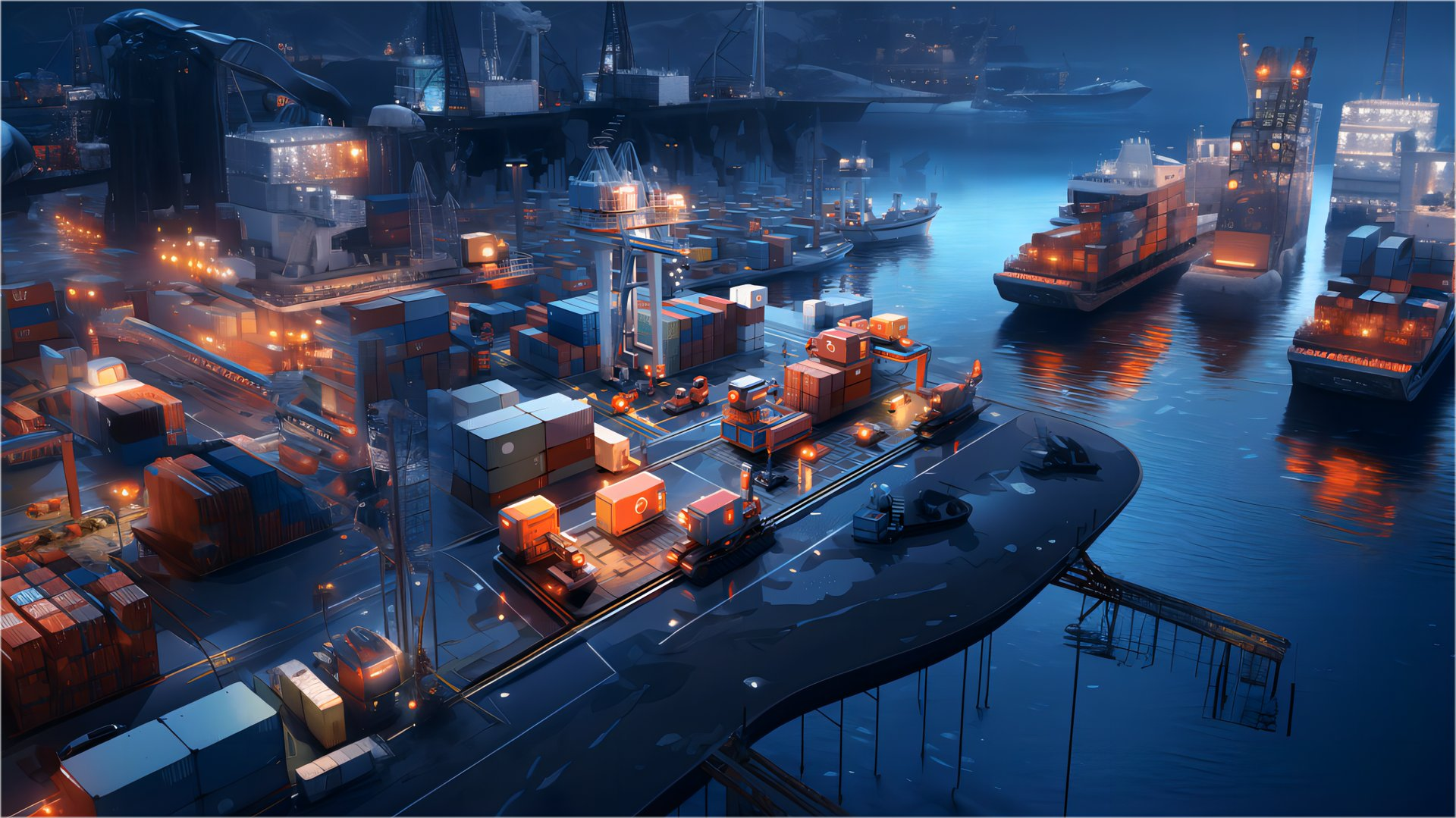
Significant advancements in logistics technology have also transformed these warehouses into smart fulfillment centers. For instance, many local warehouses now use automated retrieval systems to speed up the picking process. Ultimately, this infrastructure provides the foundation for a more resilient and agile supply chain that can withstand global disruptions.
Primary Benefits of Local Warehousing in China
Choosing a china freight solution local warehouse offers immediate advantages in terms of cost reduction and operational flexibility. Specifically, businesses can save significantly on sea freight costs by consolidating multiple small factory orders into a single full container load (FCL). Instead of paying premium rates for multiple less-than-container load (LCL) shipments, you can optimize your container space and reduce the total landed cost per unit.
Furthermore, local warehousing acts as a buffer against the volatility of the shipping market. While freight rates may fluctuate weekly, having inventory ready for dispatch in a local hub allows you to time your shipments during periods of lower demand. Indeed, this strategic timing can save thousands of dollars over a fiscal year.
Speed to market is another critical factor that improves with a local warehouse solution. By maintaining a steady stock of high-demand items, you can fulfill orders much faster than competitors who wait for factory production cycles. Meanwhile, your customers benefit from more consistent delivery schedules and fewer stockouts.
Which Service Modes Should You Compare?
Evaluating different logistics paths is essential for determining the most efficient route for your specific cargo. While air freight provides the fastest transit times, it remains the most expensive option for high-volume goods. On the other hand, traditional sea freight is economical but slow, often taking over 30 days to reach major Western ports. A china freight solution local warehouse offers a middle ground by optimizing the preparation phase before the long-haul journey begins.
Moreover, hybrid solutions like sea-air or rail-sea combinations have gained popularity in early 2026. These methods balance speed and cost, providing a versatile alternative for mid-value shipments. Nevertheless, the success of these hybrid models depends heavily on the efficiency of the initial warehousing and consolidation phase.
Below is a comparison of the most common shipping methods used in conjunction with local warehousing strategies.
| Shipping Method | Cost Range | Transit Time | Best For |
|---|---|---|---|
| Direct Air Freight | $5.50 – $9.00/kg | 5-7 Days | Urgent/High Value |
| Standard Sea Freight | $1,800 – $3,500/40HQ | 30-45 Days | Bulk/Heavy Goods |
| Local Whse + FCL | $2,500 – $4,200/Total | 25-35 Days | Inventory Stocking |
| Express Service | $10.00 – $15.00/kg | 3-5 Days | Samples/Small Parcels |

Cost-Saving Strategies and Alternative Approaches
Implementing a china freight solution local warehouse is not just about storage; it is about strategic financial management. For example, by using a bonded warehouse, you can defer the payment of duties and taxes until the goods are actually exported. This approach significantly improves cash flow, especially for businesses dealing with high-tariff items. Additionally, consolidating shipments from different provinces into one central hub reduces domestic transportation fees within China.
Another effective strategy involves the use of ‘Virtual Warehousing’ where inventory is tracked digitally across multiple small facilities but managed as a single unit. Consequently, this reduces the risk of localized port strikes or weather-related delays affecting your entire stock. Furthermore, businesses can negotiate better rates with carriers by committing to consistent volumes through a single warehouse partner.
Note: Freight rates are subject to change based on fuel costs, carrier capacity, and seasonal demand. Contact us for a current quote tailored to your specific shipment.
Which Option Should You Choose?
Budget priority: If your main goal is cost containment, recommend a local warehouse combined with sea freight. This setup maximizes consolidation and minimizes per-unit shipping expenses. Speed priority: For urgent restocking, recommend a local warehouse combined with air-express services to bypass traditional port delays.
Cargo type considerations: Perishable or high-tech goods require climate-controlled local warehousing and rapid air transit. Conversely, durable consumer goods like furniture or textiles are perfectly suited for long-term local storage and bulk sea transport. Volume thresholds: Once your monthly volume exceeds 15 CBM, switching from LCL to a local warehouse consolidation model for FCL becomes highly profitable.
Integrating Amazon FBA with Local Warehousing
Optimizing your Amazon FBA workflow is significantly easier when using a china freight solution local warehouse. Instead of sending bulk shipments directly to Amazon centers, which can be costly and prone to inventory limits, you can store your main stock in China. Then, you can ship smaller, frequent batches to FBA warehouses as needed. This prevents overstocking fees and keeps your IPI score high.
Moreover, local warehouses in China can perform the specific prep work required by Amazon, such as FNSKU labeling and poly-bagging. Because labor costs in China are generally lower than in the destination country, this prep work is much more cost-effective. As a result, your products arrive at the Amazon fulfillment center ready for immediate sale, reducing the time spent in ‘receiving’ status.
Transitioning to this model also allows for better quality control. If a batch of products has defects, it is far cheaper to fix the issue at a warehouse in China than to deal with returns and removals once the items are already in an Amazon facility in the US or Europe.
Customs Brokerage and Compliance in 2026
Navigating the legal requirements of international shipping is a daunting task for many importers. However, a comprehensive customs brokerage service integrated with your local warehouse can simplify the entire process. These experts ensure that all documentation, such as commercial invoices and packing lists, is perfectly aligned with the latest 2026 regulations. Consequently, this reduces the likelihood of expensive customs holds or fines.
Furthermore, staying compliant with environmental regulations and sustainability reporting is becoming mandatory for many European and North American markets. A professional warehouse partner can help track the carbon footprint of your storage and transit. Indeed, having this data ready can be a competitive advantage when dealing with large retail partners.
Accurate HS code classification is another area where local experts add immense value. By correctly identifying your products, they can help you qualify for lower duty rates or trade agreements that you might otherwise miss. Therefore, investing in compliance at the source is always a wise financial decision.
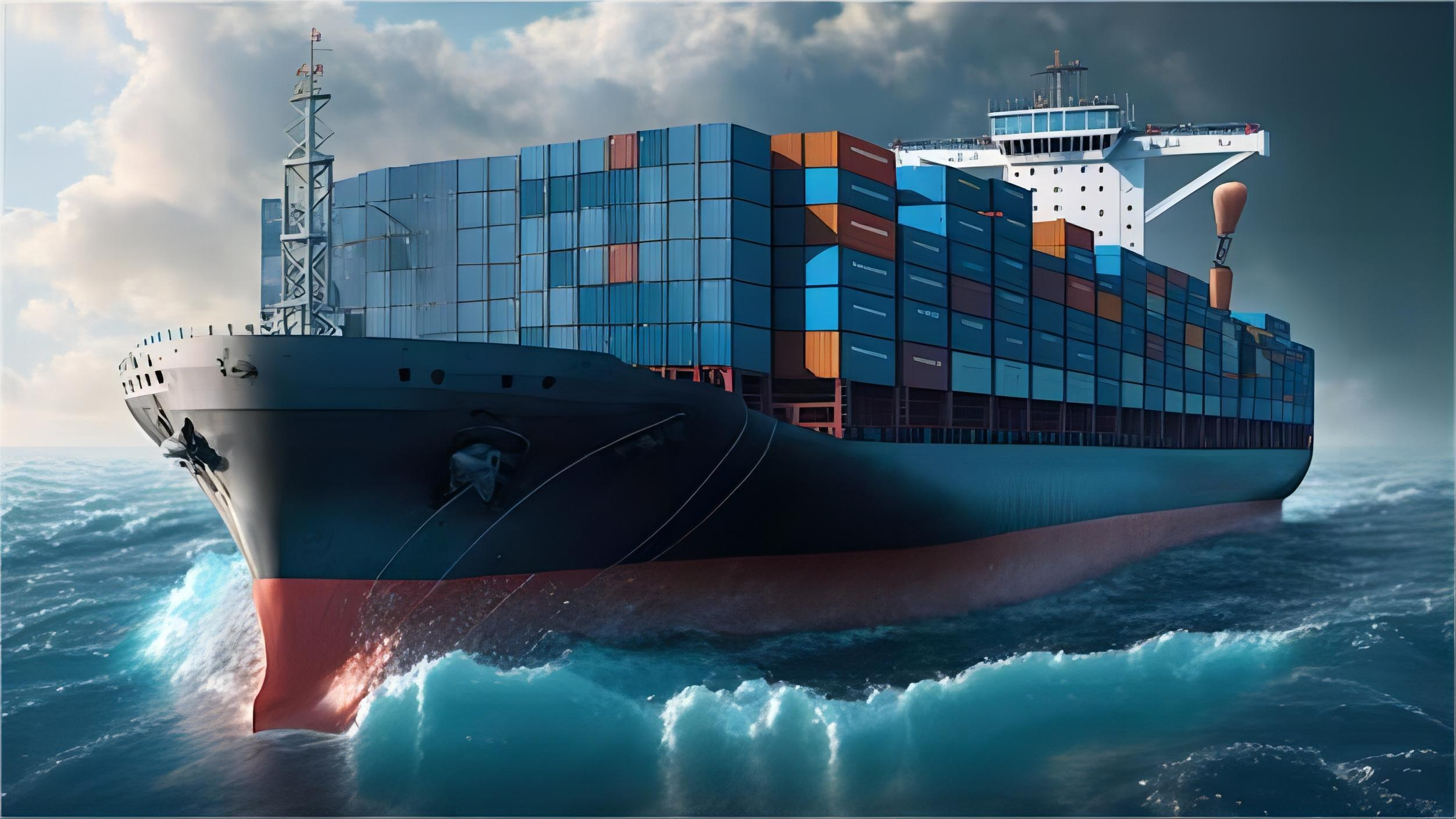
Realistic Case Studies for 2026 Logistics
Case Study 1: Electronics Distribution to North America. A mid-sized electronics firm needed to reduce their lead times for the 2026 holiday season. By using a local warehouse in Shenzhen, they consolidated components from four different factories. Route: Shenzhen to Los Angeles. Cargo: Consumer electronics, 68 CBM. Container: 40HQ. Shipping Details: Direct sea transit via major carrier. Cost Breakdown: Ocean Freight $3,200, Origin Charges $450, Destination Charges $800. Total Landed Cost: $4,450. Timeline: Total Door-to-Door in 22 days. Key Insight: Consolidation saved the client 30% compared to shipping individual LCL orders from each factory.
Case Study 2: Fashion Retailer in Europe. A clothing brand struggled with high storage costs in Germany. They moved 60% of their safety stock to a china freight solution local warehouse in Ningbo. Route: Ningbo to Hamburg. Cargo: Textiles, 12 CBM. Container: LCL. Shipping Details: Transshipment via Singapore. Cost Breakdown: Ocean Freight $1,100, Customs and Duties $400, Origin Charges $300. Total Landed Cost: $1,800. Timeline: Total Door-to-Door in 38 days. Key Insight: Using the China warehouse as a primary distribution hub reduced their European storage overhead by 45% annually.
Case Study 3: Furniture Importer in Australia. A boutique furniture shop required regular shipments but lacked the volume for FCL. They utilized a local warehouse for multi-vendor consolidation. Route: Guangzhou to Sydney. Cargo: Wooden furniture, 8 CBM. Container: LCL. Cost Breakdown: Total Landed Cost $1,550. Timeline: Total Door-to-Door in 19 days. Key Insight: Proactive cargo handling at the warehouse prevented damage that had previously occurred during direct factory loading.
Streamlining Last-Mile with Door to Door Services
Completing the logistics chain requires a reliable door to door service that connects the local warehouse directly to your final destination. This all-inclusive approach removes the burden of managing multiple carriers and disparate tracking systems. Instead, you receive a single point of contact and one transparent invoice for the entire journey. Consequently, this simplicity allows business owners to focus on sales and marketing rather than logistics minutiae.
Additionally, door-to-door services often include final-mile delivery via local couriers or trucking networks in North America, Europe, and Australia. Because the local warehouse has already optimized the packing and labeling, these final transfers are usually seamless. Meanwhile, real-time tracking technology provides visibility into every stage of the shipment, from the moment it leaves the China warehouse until it arrives at your doorstep.
Significantly, this model is highly scalable. Whether you are shipping a single pallet or twenty containers, the process remains the same. Thus, as your business grows, your china freight solution local warehouse and delivery network can expand with you without requiring a complete overhaul of your operations.
Mastering Your Logistics with a Local Warehouse Solution
In conclusion, implementing a china freight solution local warehouse is a transformative step for any business engaged in international trade in 2026. By centralizing your inventory at the source, you gain unprecedented control over costs, quality, and delivery speed. Moreover, the ability to consolidate shipments and defer duties provides a significant financial advantage in a competitive market.
Ultimately, the success of your logistics strategy depends on choosing the right partners and leveraging the best technology. Whether you are shipping to North America, Europe, or Australia, an integrated warehouse solution ensures your goods move efficiently from the factory floor to the customer’s door. Start optimizing your supply chain today to ensure long-term growth and stability.
Need a tailored shipping solution?
Ready to optimize your supply chain with a professional china freight solution local warehouse? Contact China Freight World today for a customized quote and expert logistics advice. Visit our website to learn more about our integrated storage and shipping services. Send Inquiry: