
China Import Shipping Cheap: Top 2026 Freight Cost-Saving Strategies
Finding china import shipping cheap solutions is essential for maintaining healthy profit margins in 2026. However, navigating the complex global supply chain requires a strategic approach to modern logistics. Consequently, businesses must evaluate various transport modes to balance speed and budget effectively. This guide provides comprehensive insights into reducing your landed costs while ensuring reliable delivery schedules from Chinese manufacturing hubs.
✦Why Finding China Import Shipping Cheap is Crucial in 2026
In the current economic landscape, shipping costs represent a significant portion of the total product price. Therefore, optimizing your logistics strategy is no longer optional for competitive businesses. Moreover, the 2026 market has seen fluctuations in fuel surcharges and carrier capacity that demand constant vigilance.
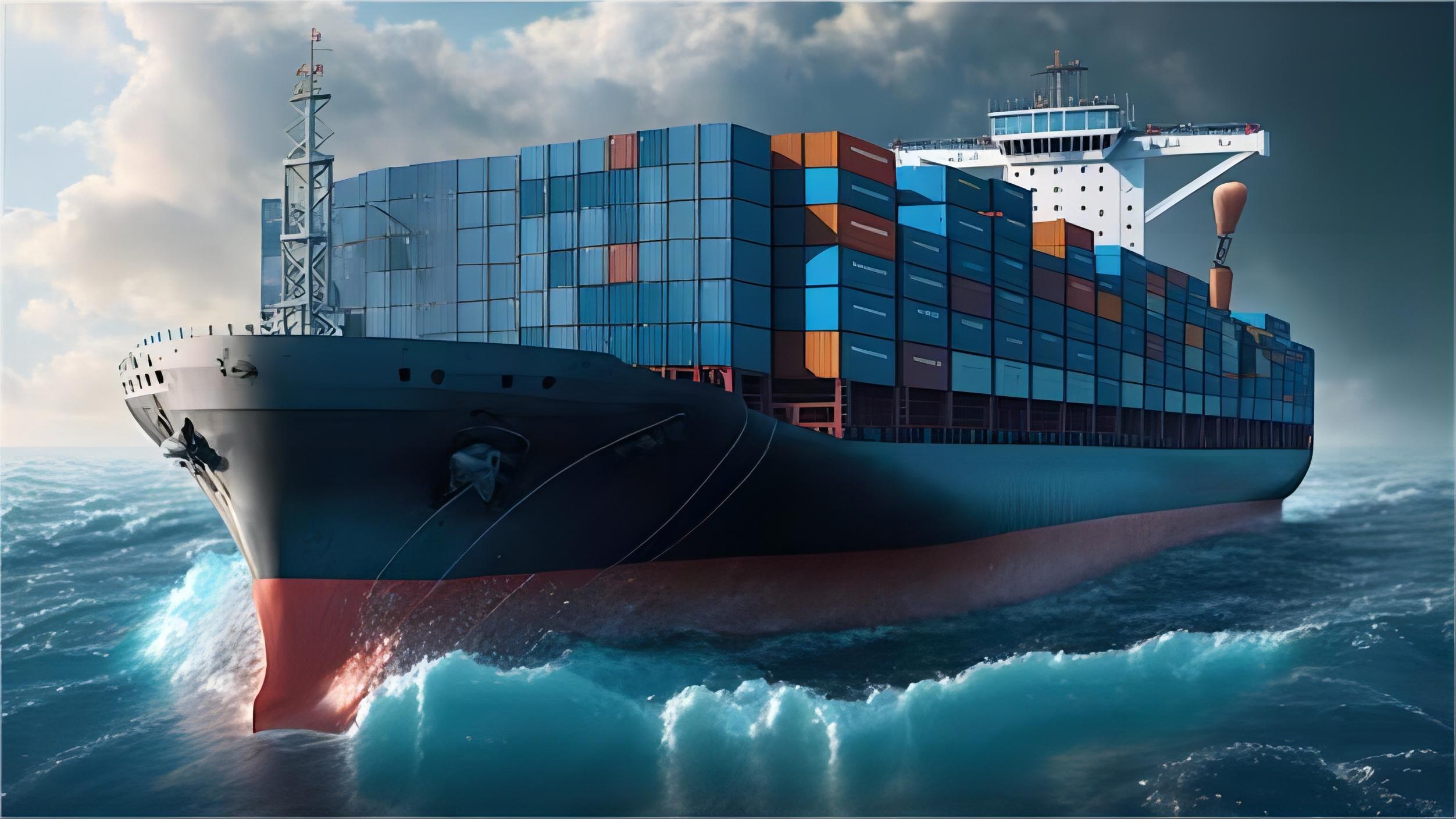
Importers often struggle with hidden fees that inflate their initial budget. For example, port congestion and unexpected storage charges can quickly erase the savings from a low freight rate. Accordingly, understanding the full breakdown of your shipping quote is the first step toward true cost efficiency.
Furthermore, the global supply chain has become more volatile due to regional shifts in manufacturing. Indeed, while China remains the primary global factory, the routes to North America and Europe have become more complex. Nevertheless, savvy importers can still find excellent deals by leveraging high-volume periods and long-term partnerships.

How Does Sea Freight Compare to Other Shipping Options?
When businesses prioritize china import shipping cheap, sea freight remains the most popular choice for large volumes. In contrast, air freight offers speed but at a significantly higher price point that can impact small-margin goods. Meanwhile, rail freight has emerged as a viable middle ground for shipments destined for the European market.
Choosing between Full Container Load (FCL) and Less than Container Load (LCL) is another critical decision for cost management. For instance, FCL is generally cheaper per unit if you can fill at least 70 percent of a 20GP or 40HQ container. On the other hand, LCL allows smaller businesses to share space and costs with other shippers.
The following table provides an objective analysis of the primary shipping methods available in 2026. Each option has specific trade-offs regarding cost, speed, and reliability that you must consider based on your specific inventory needs.
| Shipping Method | Cost Range | Transit Time | Best For |
|---|---|---|---|
| Sea Freight | Low ($1,500 – $4,500) | 15 – 45 Days | Bulk Goods / FCL |
| Air Freight | High ($5 – $12/kg) | 3 – 7 Days | High-Value / Urgent |
| Rail Freight | Medium ($2,500 – $5,500) | 18 – 25 Days | Europe Shipments |
| Express Service | Very High ($8 – $15/kg) | 2 – 5 Days | Samples / Small Parcels |
Maximizing Efficiency with Sea Freight Services
To achieve the lowest possible rates, you should consider sea freight as your primary transport mode. This method utilizes massive cargo vessels to move thousands of containers simultaneously across the ocean. Consequently, the economy of scale provided by ocean carriers is unmatched by any other transportation type.
Importers should also pay close attention to the specific port of loading in China. For example, shipping from Ningbo or Shanghai might offer more frequent departures compared to smaller inland ports. Additionally, booking your space at least three to four weeks in advance can help you secure lower rates before the peak season price hikes.
Moreover, utilizing 40HQ containers instead of standard 40GP containers provides about 12 percent more volume for a similar price. This simple adjustment can significantly reduce your per-unit shipping cost over time. Therefore, always calculate your cargo dimensions carefully to maximize the utility of every cubic meter of space.
The Strategic Advantage of Rail Freight for Europe
For companies importing into the EU, rail freight offers a unique combination of speed and affordability. Although it is more expensive than sea freight, it is considerably cheaper than air transport. As a result, it has become a staple for electronics and fashion brands that need faster turnover.
The China-Europe Railway Express connects major Chinese cities like Xi’an and Chengdu directly to hubs like Hamburg and Warsaw. Furthermore, the transit time is roughly half that of sea freight, which helps improve cash flow by reducing the time capital is tied up in inventory. Indeed, many businesses use rail as a buffer when sea freight schedules become unreliable.
However, rail freight is not available for all destinations, such as Australia or North America. Consequently, you must verify the infrastructure availability for your specific route before committing to this method. In addition, rail cargo is subject to specific weight limits that differ from sea freight regulations.
When to Choose Air Freight for Your Imports
While sea transport is the leader for china import shipping cheap, certain scenarios require the speed of air freight. For instance, launching a new product or replenishing out-of-stock items often justifies the higher expense. Additionally, high-value items like specialized machinery or luxury electronics benefit from the increased security and reduced handling of air transport.
To minimize air freight costs, you should focus on optimizing your packaging to reduce volumetric weight. Since airlines charge based on either actual weight or dimensional weight, bulky but light packages can be unexpectedly expensive. Therefore, using vacuum sealing or custom-sized boxes can lead to substantial savings on your air cargo bills.
Moreover, choosing deferred air service instead of direct express can save you 20 to 30 percent on freight charges. These services might take two days longer but utilize consolidated cargo space on commercial flights. Consequently, you can maintain a relatively fast delivery schedule without paying the premium for next-flight-out services.
Streamlining Costs with Customs Brokerage
Navigating the complexities of international trade requires professional customs brokerage to avoid costly delays. Incorrectly classified goods can lead to heavy fines, shipment seizures, or higher duty rates. Accordingly, a qualified broker ensures that your Harmonized System (HS) codes are accurate and that you claim all eligible trade preferences.
In addition, many countries have specific trade agreements with China that can reduce or eliminate import duties. For example, understanding the RCEP framework can provide significant tax relief for importers in participating regions. Furthermore, your broker can manage the complex documentation required for dangerous goods or restricted items, preventing expensive port storage fees.
Without a doubt, proactive customs management is a pillar of cheap shipping. Indeed, the cost of a professional broker is often far less than the penalties associated with compliance errors. Therefore, integrating customs expertise into your supply chain strategy is a wise investment for long-term profitability.
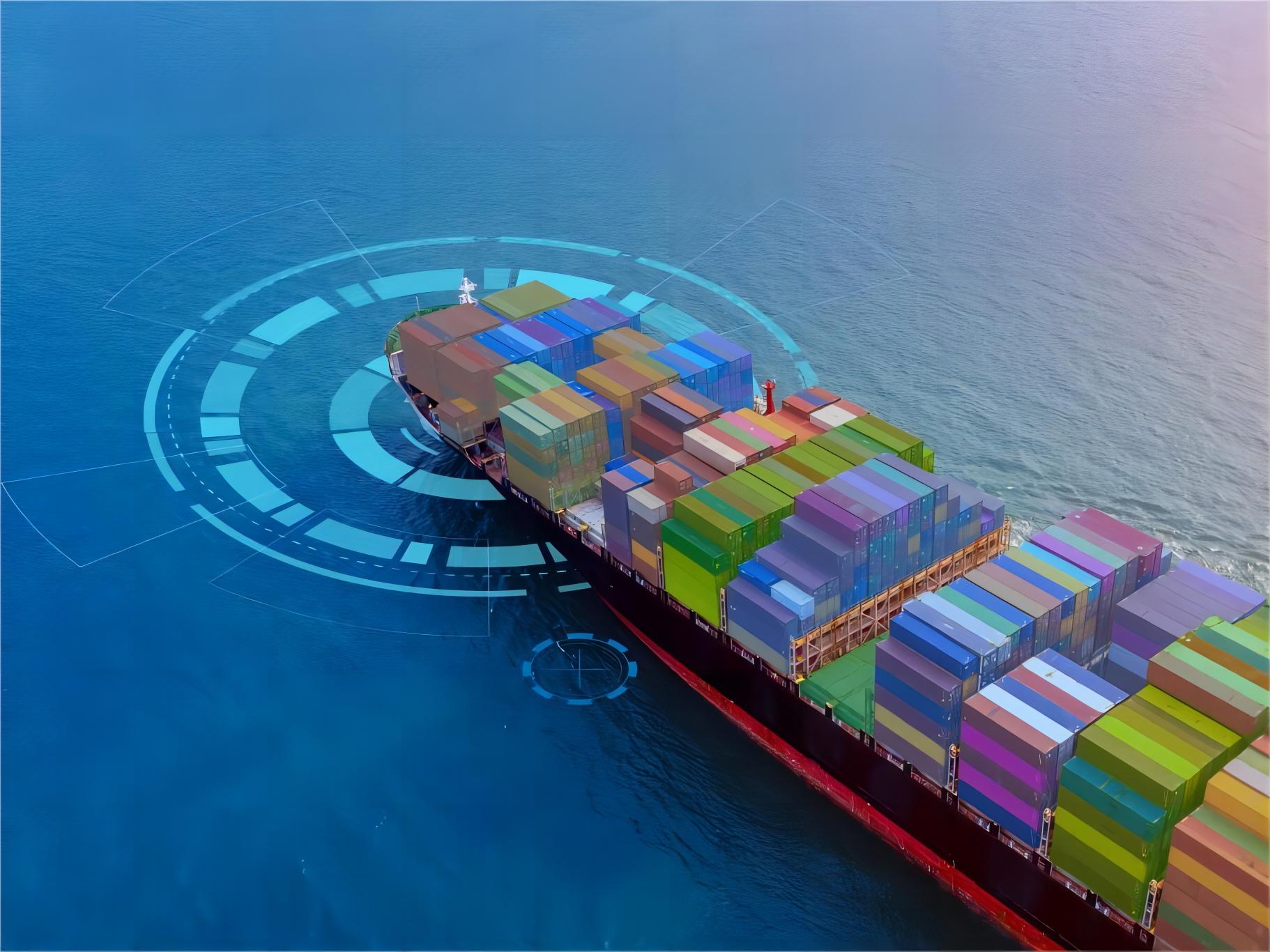
Door to Door Services: Is the Convenience Worth the Price?
Many modern importers prefer door to door shipping because it simplifies the entire logistics chain. This service covers everything from the factory pickup in China to final delivery at your warehouse. Consequently, you save time and administrative resources that would otherwise be spent coordinating multiple service providers.
While the upfront quote for door-to-door service might seem higher, it often eliminates the risk of surprise destination charges. For instance, local trucking and terminal handling fees are typically included in the total price. On the other hand, port-to-port shipping requires you to manage these local logistics yourself, which can be challenging in foreign markets.
Furthermore, this model provides better visibility and tracking for your cargo. Indeed, having a single point of contact for the entire journey reduces the likelihood of communication breakdowns. Nevertheless, for very large enterprises with their own logistics departments, port-to-port might still offer a slight edge in raw cost savings.
Regional Shipping Guides: North America, Europe, and Australia
Shipping routes vary significantly depending on your destination, and understanding these nuances is key to finding china import shipping cheap options. For those importing to North America, the choice between West Coast and East Coast ports can drastically affect both price and transit time. Specifically, shipping to Los Angeles is faster and generally cheaper than transit through the Panama Canal to New York.
Meanwhile, shipments to Europe benefit from multiple entry points, including the Mediterranean ports and the Northern Range. Consequently, choosing a port closer to your final destination can reduce inland haulage costs significantly. Additionally, the availability of rail freight provides an excellent alternative for urgent European shipments.
For importers in Australia, the proximity to China results in some of the most competitive sea freight rates globally. However, strict biosecurity laws mean that your cargo must be perfectly documented to avoid expensive quarantine inspections. Therefore, ensuring your supplier follows all packaging and wood treatment regulations is vital for keeping costs low.
Realistic Case Studies: 2026 Shipping Scenarios
Analyzing real-world examples helps illustrate how different strategies impact the final landed cost of your goods. These cases reflect actual market conditions as of early 2026 and demonstrate the importance of selecting the right method for your cargo type.
Case Study 1: Route: Ningbo, China to Rotterdam, Netherlands. Cargo: Home Textiles, 68 CBM, 12,500 kg. Container: 40HQ. Shipping Details: Carrier: COSCO, Port of Loading: Ningbo, Port of Discharge: Rotterdam, Route Type: Direct. Cost Breakdown: Ocean Freight: $3,450, Origin Charges: $320, Destination Charges: $450, Customs and Duties: $1,200, Total Landed Cost: $5,420. Timeline: Booking to Loading: 5 days, Sea Transit: 32 days, Customs Clearance: 2 days, Total Door-to-Door: 42 days. Key Insight: Using a 40HQ container maximized volume, reducing the shipping cost to approximately $0.08 per unit.
Case Study 2: Route: Shanghai, China to Los Angeles, USA. Cargo: Consumer Electronics, 25 CBM, 4,000 kg. Container: 20GP. Shipping Details: Carrier: Maersk, Port of Loading: Shanghai, Port of Discharge: Los Angeles, Route Type: Direct. Cost Breakdown: Ocean Freight: $1,950, Origin Charges: $280, Destination Charges: $380, Customs and Duties: $2,500, Total Landed Cost: $5,110. Timeline: Booking to Loading: 4 days, Sea Transit: 16 days, Customs Clearance: 3 days, Total Door-to-Door: 25 days. Key Insight: Choosing a West Coast port saved 15 days of transit time compared to an East Coast route, improving inventory turnover.
Case Study 3: Route: Shenzhen, China to Sydney, Australia. Cargo: Furniture Components, 5 CBM, 1,200 kg. Container: LCL. Shipping Details: Carrier: Major Carrier, Port of Loading: Shenzhen, Port of Discharge: Sydney, Route Type: Direct. Cost Breakdown: Ocean Freight: $650, Origin Charges: $150, Destination Charges: $250, Customs and Duties: $800, Total Landed Cost: $1,850. Timeline: Booking to Loading: 6 days, Sea Transit: 14 days, Customs Clearance: 2 days, Total Door-to-Door: 24 days. Key Insight: For shipments under 15 CBM, LCL provided a much cheaper alternative than paying for a full 20GP container.
Which Option Should You Choose?
The best shipping strategy depends entirely on your business priorities and the nature of your cargo. If your primary goal is the absolute lowest cost and you have flexible timelines, sea freight FCL is the clear winner. However, if you are moving smaller volumes frequently, LCL or rail freight might offer better cash flow management.
Budget priority: Recommend Sea Freight (FCL) for volumes over 15 CBM. Speed priority: Recommend Air Freight or Express Service for urgent needs. Cargo type considerations: Use Rail Freight for high-value goods to Europe to balance cost and speed. Volume thresholds: Once you exceed 15-20 CBM, always compare LCL rates against a full 20GP container to find the tipping point for savings.
Note: Freight rates are subject to change based on fuel costs, carrier capacity, and seasonal demand. Contact us for a current quote tailored to your specific shipment.
Final Thoughts on Cheap China Shipping
Achieving china import shipping cheap requires a combination of early planning, correct mode selection, and professional guidance. By understanding the trade-offs between sea, air, and rail freight, you can tailor your logistics to your specific business needs. Furthermore, leveraging the expertise of customs brokers and choosing the right entry ports can lead to significant long-term savings.
As we move through 2026, staying informed about market trends and maintaining a flexible shipping strategy will be your greatest competitive advantage. Start implementing these cost-saving measures today to ensure your import business remains profitable and resilient.