

China Shipping Quote Local Warehouse: 2026 Logistics Guide
Navigating the complexities of international trade requires a precise china shipping quote local warehouse to ensure your business remains profitable in 2026. China Freight World provides professional logistics solutions that bridge the gap between Chinese manufacturers and global markets. Consequently, understanding how to leverage local storage can significantly reduce your overall landed costs and improve delivery speed.
✦
What is a China Shipping Quote Local Warehouse Service?
Local warehousing involves storing your goods in a facility near the major export hubs before they are shipped internationally. This strategy allows for cargo consolidation, quality inspections, and strategic timing of shipments to catch the best market rates. Therefore, when you request a china shipping quote local warehouse, you are looking at a comprehensive logistics package.

Importers often face challenges with fragmented shipments from multiple suppliers across different provinces. By using a centralized local warehouse, you can gather all items into a single shipment. Moreover, this approach simplifies the documentation process and reduces the risk of missing individual packages during transit.
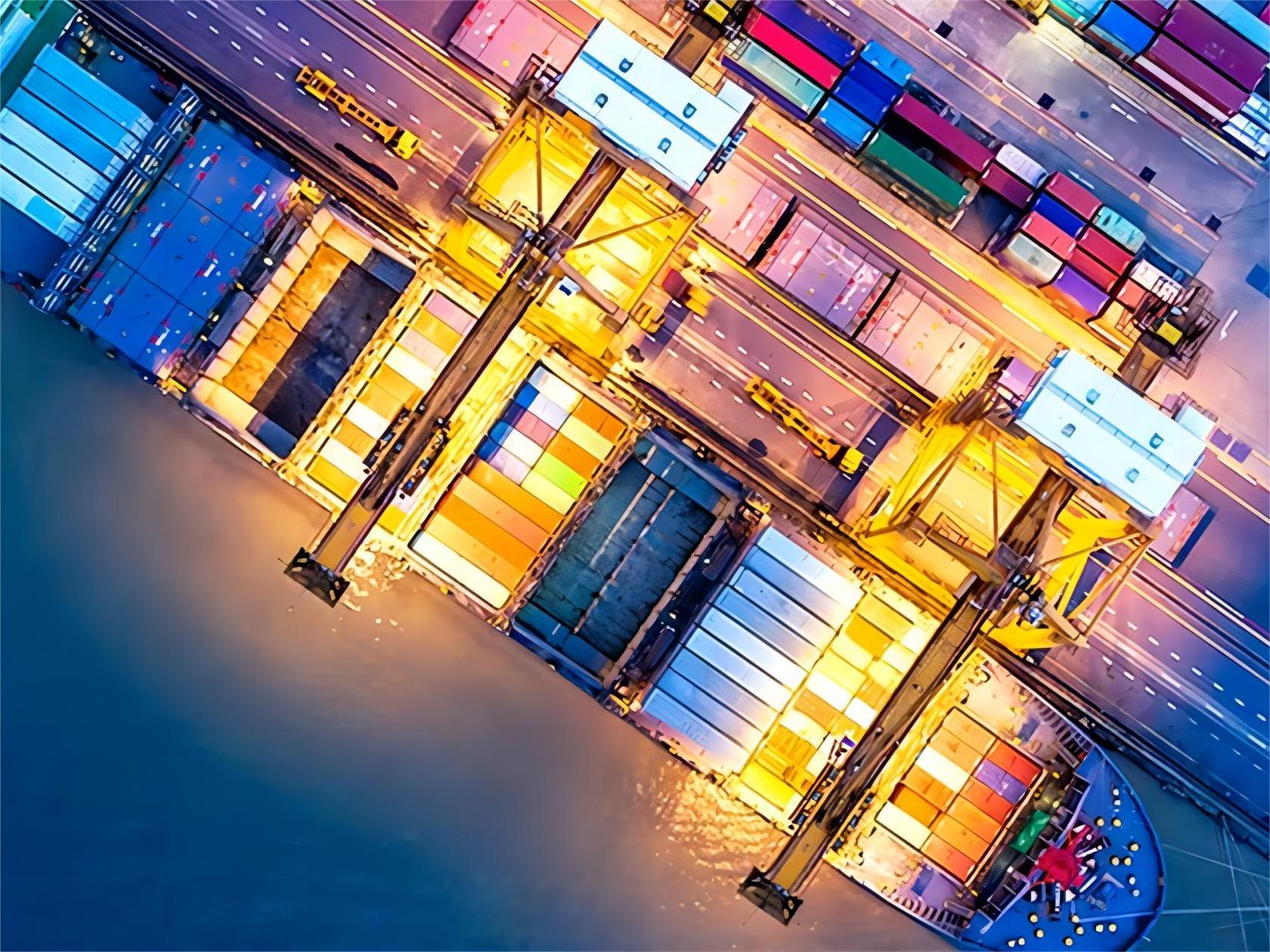
Logistics experts in 2026 emphasize the importance of visibility within the supply chain. A local warehouse provides a physical buffer where goods can be labeled, palletized, and prepared according to international standards. Additionally, this stage is crucial for identifying any manufacturing defects before the items leave the country.
Choosing a quote that includes warehousing often results in lower long-term expenses. While there is a storage fee, the savings from consolidated freight usually outweigh these costs. Consequently, businesses can maintain leaner inventory levels and respond faster to customer demand in their home markets.
How Local Warehousing Influences Your Shipping Costs
Shipping costs are not just about the distance between two ports. They include handling, storage, and administrative fees that can vary based on the efficiency of the warehouse. For instance, sea freight rates are heavily influenced by how well a container is packed and utilized.
Consolidation is the primary driver of cost reduction in local warehousing. Instead of paying for multiple Less than Container Load (LCL) shipments, you can combine them into one Full Container Load (FCL). Furthermore, FCL shipments generally have lower per-unit costs and face fewer delays at customs.
Market data suggests that storage costs in China remain competitive compared to destination warehouses in Europe or North America. By holding stock locally in China, you can defer the high costs of international transport until the market demand is confirmed. Meanwhile, this strategy helps in managing cash flow more effectively during peak seasons.
Labor costs for value-added services like kitting or repackaging are also lower in China. Performing these tasks at a local warehouse ensures your goods are retail-ready upon arrival. Accordingly, you avoid the expensive labor rates typically found in Western logistics hubs.
| Method | Cost Level | Transit Time | Best For |
|---|---|---|---|
| Sea Freight | Low | 25-40 Days | Bulk Goods |
| Air Freight | High | 3-7 Days | Urgent Stock |
| Rail Freight | Medium | 15-22 Days | Mid-value Items |
| Express | Very High | 2-5 Days | Samples |
Evaluating Air Freight Options for Urgent Shipments
When speed is the highest priority, air freight remains the most reliable choice for international logistics. Despite the higher price tag, air transport ensures that high-value or perishable items reach their destination within days. Indeed, many e-commerce businesses rely on air cargo to maintain high customer satisfaction levels.
Air cargo pricing 2026 has remained relatively stable following the expansion of dedicated freighter fleets. Most quotes will include fuel surcharges and security fees which are standard across the industry. However, booking your space through a local warehouse can sometimes secure better rates due to volume discounts.
Weight and volume are the two critical factors determining your air freight quote. Carriers use a volumetric weight calculation to ensure they are compensated for the space occupied by light but bulky items. Therefore, efficient packaging at the local warehouse level is essential to avoid unnecessary charges.
Transit time efficiency is the main selling point for air transport. While sea routes may take over a month, air cargo can move from a Shenzhen warehouse to a London doorstep in less than a week. Consequently, this method is ideal for product launches or inventory stock-outs.
The Benefits of Door to Door Logistics Solutions
Modern businesses prefer a seamless experience where the forwarder handles every step of the journey. Selecting door to door services means your goods are picked up from the factory and delivered directly to your final address. Without a doubt, this minimizes the administrative burden on the importer.
Integrated logistics providers use their local warehouses as hubs for these comprehensive services. They manage the inland trucking, export clearance, international transit, and final mile delivery. Furthermore, having a single point of contact simplifies communication and accountability throughout the shipping process.
Risk management is another significant advantage of the door-to-door model. Because one company oversees the entire chain, there is less chance of cargo being mishandled during handovers between different agents. Meanwhile, real-time tracking provides peace of mind by showing the exact location of your shipment at all times.
Standardized pricing in door-to-door quotes helps in accurate budgeting. You receive an all-in rate that covers most foreseeable expenses, including local handling and delivery fees. Accordingly, this transparency prevents the ‘hidden costs’ that often surprise new importers.
How Does Local Warehousing Compare to Other Shipping Options?
Choosing between direct shipping from a factory and using a local warehouse depends on your specific supply chain needs. Direct shipping is often faster for a single large order from one supplier. However, it lacks the flexibility and consolidation benefits that a warehouse hub offers.
Hybrid solutions like sea-air or rail-sea combinations are also becoming popular in 2026. These methods balance cost and speed by using different modes of transport for different legs of the journey. For instance, shipping by sea to a regional hub and then by air to the final destination can save 30% compared to pure air freight.
Drop-shipping directly from a Chinese warehouse to global customers is another alternative strategy. This model eliminates the need for a destination warehouse entirely, reducing overhead costs significantly. Nevertheless, it requires a very high level of coordination and reliable cargo handling procedures.
Industry average for this route suggests that consolidated warehousing is the most cost-effective for medium-sized enterprises. By leveraging shared space, smaller companies can access the same logistics efficiencies as large corporations. Consequently, this levels the playing field in the global marketplace.
| Feature | Local Warehouse | Direct Factory | Hybrid Strategy |
|---|---|---|---|
| Cost Efficiency | High (Consolidated) | Medium | High |
| Flexibility | Very High | Low | Medium |
| Transit Speed | Moderate | Fast | Balanced |
| Control | Maximum | Minimum | Moderate |
Realistic Case Studies for 2026 Shipping Routes
Case Study 1: Electronics from Shenzhen to Los Angeles. A tech startup needed to move 15 CBM of consumer electronics. Route: Shenzhen to Los Angeles via major carrier. Cargo: 15 CBM, 4500 kg. Shipping Details: LCL consolidated in Shenzhen warehouse. Cost Breakdown: Ocean Freight $1,850, Origin Charges $450, Destination Charges $600, Customs $400. Total Landed Cost: $3,300. Timeline: 22 days door-to-door. Key Insight: Consolidation saved $1,200 compared to individual factory shipments.
Case Study 2: Furniture from Ningbo to Hamburg. A retailer imported a 40HQ container of home decor. Route: Ningbo to Hamburg direct. Cargo: 68 CBM, 12000 kg. Container: 40HQ. Shipping Details: Direct loading at Ningbo port. Cost Breakdown: Ocean Freight $3,900, Origin Charges $500, Destination Charges $850, Customs $1,200. Total Landed Cost: $6,450. Timeline: 34 days. Key Insight: Booking 4 weeks in advance during Q2 2026 avoided peak season surcharges.
Market intelligence indicates that these rates are typical for the first half of 2026. However, seasonal variations can cause prices to fluctuate by 15-25% during the August-October peak. Therefore, always request a current china shipping quote local warehouse before finalizing your purchase orders.
Note: Freight rates are subject to change based on fuel costs, carrier capacity, and seasonal demand. Contact us for a current quote tailored to your specific shipment.
Navigating Customs Brokerage and Compliance
Compliance is a critical pillar of successful international shipping. Utilizing a professional customs brokerage service ensures that your goods meet all regulatory requirements. Indeed, even a small error in paperwork can lead to costly delays or fines at the border.
Customs regulations in 2026 have become more digitized but also more stringent regarding product safety and origin. A local warehouse team can assist in verifying that all labels and certifications are in order before the export process begins. Furthermore, they can help classify your goods correctly under the Harmonized System (HS) codes.
Import export documentation is the lifeblood of global trade. From the Commercial Invoice to the Bill of Lading, every document must be accurate and consistent. Additionally, having a broker who understands the specific requirements of your destination country is invaluable for a smooth clearance process.
Delays at customs often occur due to missing or incorrect information. By centralizing your documentation at a local warehouse hub, you ensure that all parties have access to the necessary files. Consequently, this transparency speeds up the release of your cargo upon arrival at the port of discharge.
Essential Documentation for International Shipping
Preparation is the key to avoiding logistics headaches. Before your goods leave the China local warehouse, ensure all mandatory documents are prepared and verified. For instance, the Packing List must precisely match the physical contents of the shipment to avoid discrepancies during inspection.
Certificates of Origin are often required to determine the eligibility for preferential tariff rates under trade agreements. Moreover, certain products like chemicals or electronics may require specialized safety data sheets or compliance certificates. Therefore, checking these requirements early in the supply chain optimization process is vital.
Digital documentation is now the standard for most major shipping routes in 2026. Electronic Bills of Lading (eBL) allow for faster transfers of ownership and reduce the risk of lost physical papers. Meanwhile, many customs authorities now accept digital copies of invoices and packing lists to expedite the clearance workflow.
Maintaining a clean record with customs authorities can lead to faster processing times in the future. Consistent compliance builds trust and may qualify your business for ‘trusted trader’ programs. Accordingly, investing in professional documentation services pays dividends in the long run.
| Document | Purpose | Required For | Responsibility |
|---|---|---|---|
| Commercial Invoice | Value Declaration | All Shipments | Exporter |
| Packing List | Content Detail | All Shipments | Warehouse |
| Bill of Lading | Title of Goods | Sea/Rail Freight | Carrier |
| HS Code | Tax Classification | Customs Entry | Importer/Broker |
Optimizing Amazon FBA Shipments via Local Warehouses
E-commerce sellers often find that an Amazon FBA specialized service is the best way to manage their inventory. By using a local warehouse in China, you can inspect goods and apply FNSKU labels before they are shipped to Amazon fulfillment centers. This ensures compliance with Amazon’s strict receiving guidelines.
Shipping directly from a factory to Amazon can be risky if the packaging does not meet specific standards. A local warehouse acts as a quality control hub where items can be repackaged or palletized correctly. Furthermore, this step helps in reducing the likelihood of Amazon rejecting your shipment upon arrival.
Inventory management becomes much easier when you have a buffer stock in a China warehouse. You can ship smaller, frequent batches to FBA based on actual sales velocity rather than sending one massive shipment. Consequently, this strategy minimizes Amazon’s long-term storage fees and improves your Inventory Performance Index (IPI).
Logistics trends 2026 show that successful FBA sellers are increasingly using multi-channel fulfillment strategies. A local warehouse can serve as the central hub for shipping to Amazon, eBay, and your own Shopify store simultaneously. Indeed, this flexibility is essential for scaling a modern e-commerce brand.
Which Shipping Option Should You Choose?
Deciding on the right logistics strategy requires a balance between budget, speed, and cargo type. If your primary goal is cost-saving and you have a flexible delivery schedule, sea freight with local warehouse consolidation is the clear winner. This method provides the lowest per-unit cost for large volumes.
Speed priority dictates the use of air freight or express services. While more expensive, these options are necessary for high-demand products or seasonal items with a short shelf life. Furthermore, they reduce the amount of capital tied up in transit, which can be beneficial for cash-strapped startups.
Cargo type considerations also play a role in your decision. Heavy machinery is best suited for sea freight, while small, high-value electronics are ideal for air cargo. Additionally, rail freight offers a unique middle ground for shipments moving from China to Europe, providing a balance of cost and speed.
Volume thresholds often determine when it is time to switch from LCL to FCL. Generally, if your shipment exceeds 15 CBM, booking a full 20GP container becomes more economical. Accordingly, your logistics provider can help you calculate the exact ‘break-even’ point for your specific china shipping quote local warehouse.
Summary of 2026 Shipping Strategies
Securing an accurate china shipping quote local warehouse is the foundation of a successful import business in 2026. By understanding the benefits of consolidation, quality control, and strategic warehousing, you can significantly reduce your logistics expenses. Moreover, choosing the right shipping method—whether sea, air, or rail—allows you to meet customer demands while maintaining healthy profit margins.
Professional freight forwarders provide the expertise and infrastructure needed to manage these complex processes. From customs brokerage to door-to-door delivery, an integrated approach ensures that your cargo moves smoothly across borders. Consequently, staying informed about market trends and logistics innovations will keep your business competitive in the global arena.
Ultimately, the goal is to create a resilient and flexible supply chain. By leveraging local warehouses in China, you gain greater control over your inventory and shipping schedules. Therefore, take the time to evaluate your options and partner with a logistics provider that understands your unique requirements.
