
China Import Shipping for Importers: 2026 Logistics Guide
“Navigating the complexities of china import shipping for importers requires a strategic approach to balance cost and speed in the current 2026 market. Professional logistics management starts with choosing a reliable partner like China Freight World to handle your global supply chain needs. This comprehensive guide provides the essential data and strategies needed to streamline your procurement process and reduce landed costs effectively.”

❖
The Evolving Landscape of China Import Shipping for Importers
❖
Global trade dynamics in 2026 have shifted toward more resilient and diversified logistics frameworks for businesses of all sizes. Importers now face a market where digital integration and real-time tracking are no longer optional features but standard requirements for success. Consequently, staying informed about the latest freight trends is vital for maintaining a competitive edge in your local market.
Market conditions have stabilized significantly after the disruptions seen in previous years, allowing for more predictable delivery schedules. Nevertheless, fuel price fluctuations and seasonal demand spikes still require careful planning and early booking strategies to avoid unexpected costs. Indeed, those who anticipate these shifts can secure better rates and more reliable vessel space during peak periods.
Technology plays a massive role in how modern shipments are managed from origin to destination. Furthermore, automated customs filing and AI-driven route optimization have shortened transit times for many major trade lanes. Accordingly, importers should look for partners who embrace these technological advancements to ensure maximum efficiency for every container shipped.
❖
Primary Shipping Methods: Selecting Your Transport Mode
❖
Choosing the right mode of transport is perhaps the most critical decision in the entire logistics process. Most businesses rely on sea freight for the majority of their inventory due to its unmatched capacity and lower cost per unit. However, the specific needs of your cargo might dictate a different approach based on urgency or product value.
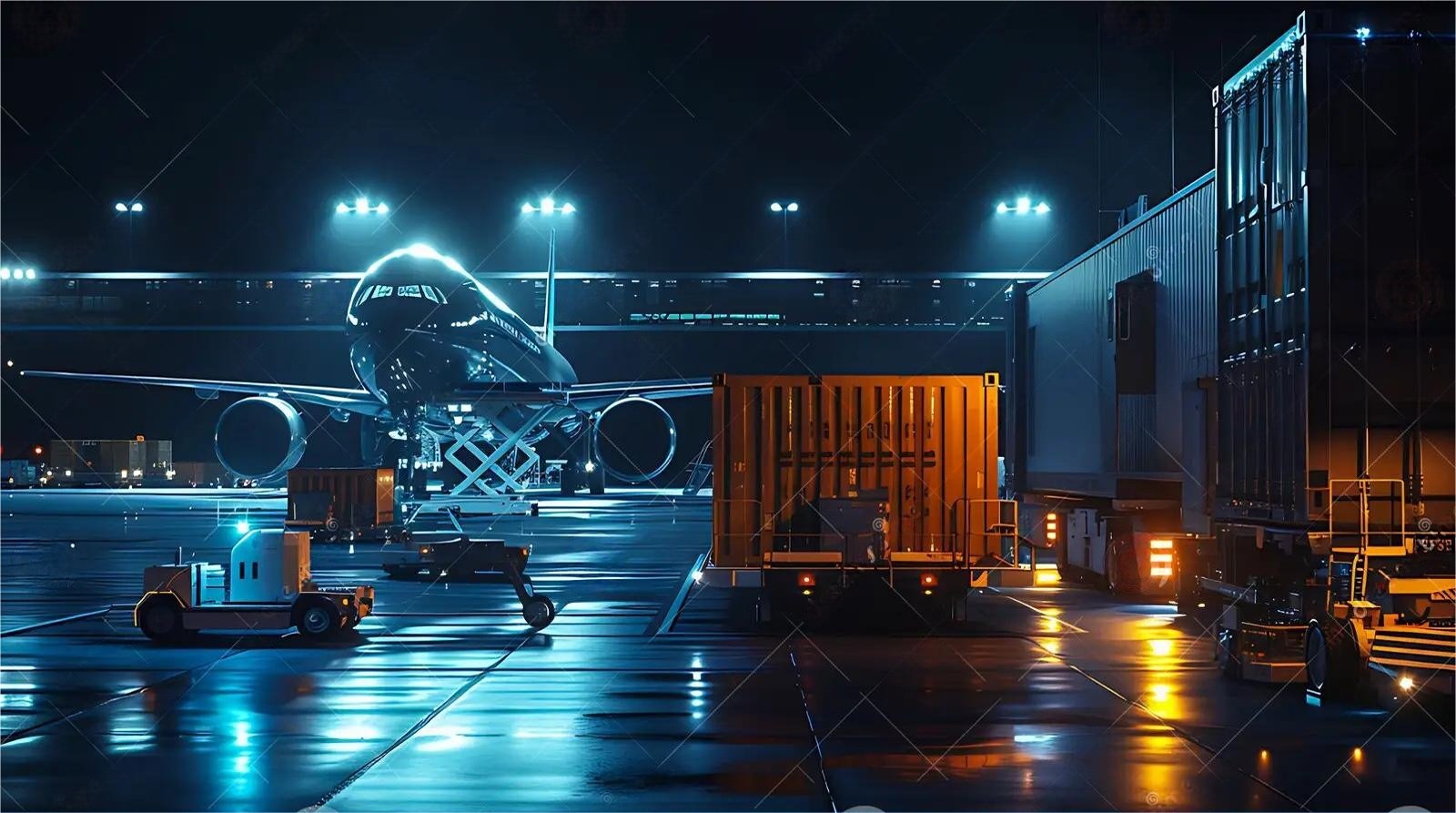
Air transport offers the fastest possible turnaround for time-sensitive goods or high-margin products. For instance, air freight is often the preferred choice for electronics, fashion samples, and medical supplies that cannot afford long ocean voyages. Additionally, smaller shipments often benefit from the reduced risk of damage and lower insurance premiums associated with air travel.
Rail options have become increasingly popular for those moving goods to Europe from inland Chinese manufacturing hubs. By utilizing rail freight, businesses can achieve a middle ground that is faster than sea but significantly cheaper than air. Therefore, it represents an excellent alternative for mid-value industrial components and consumer goods.
| Method | Avg. Cost | Transit Time | Best For |
|---|---|---|---|
| Sea Freight (FCL) | $2,500 – $4,500 | 18 – 40 Days | Bulk / Heavy Goods |
| Air Freight | $4.50 – $9.00/kg | 3 – 7 Days | Urgent / High Value |
| Rail Freight | $1,200 – $2,200 | 15 – 22 Days | Eurasian Routes |
| Express Service | $8.00 – $15.00/kg | 2 – 5 Days | Small Parcels |
❖
How Does Sea Freight Compare to Other Shipping Options?
❖
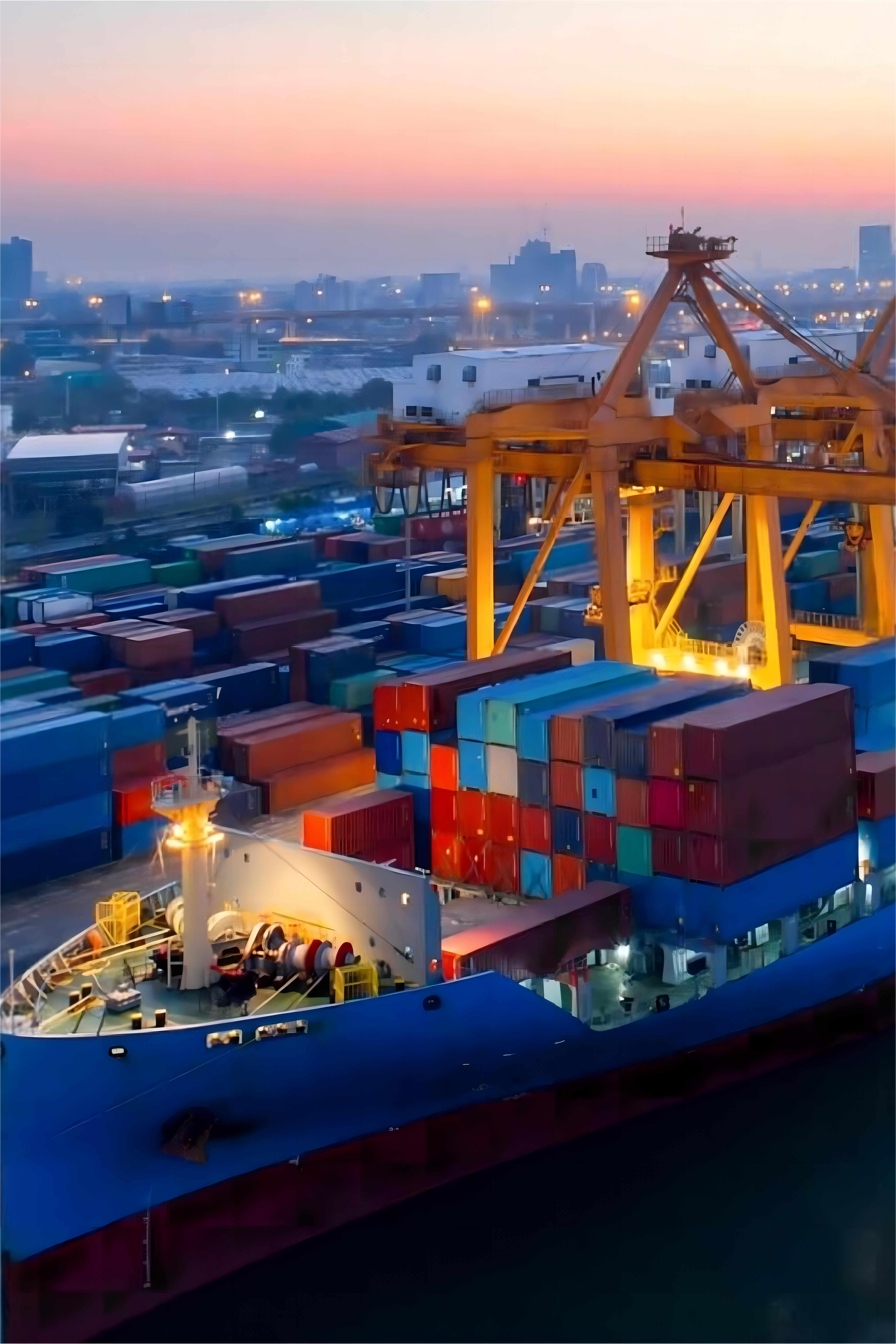
Ocean transport remains the dominant force in international trade because of its ability to move massive volumes of cargo simultaneously. While sea freight is slower than air or rail, it provides the lowest carbon footprint per ton-mile, making it a sustainable choice for green-conscious brands. Moreover, the infrastructure at major ports like Shanghai and Ningbo has been upgraded to handle the world’s largest container ships with ease.
Comparing sea freight to air freight reveals a massive disparity in pricing structures that affects your bottom line. For example, shipping a 40-foot container by sea might cost $3,500, whereas the same volume sent by air could exceed $30,000. Consequently, sea freight is the only viable option for low-margin commodities or large furniture items that would be prohibitively expensive to fly.
Hybrid solutions such as sea-air combinations are also gaining traction among savvy importers looking for flexibility. This strategy involves shipping goods by sea to a hub like Dubai or Singapore and then flying them to the final destination. As a result, you save about 30 percent to 50 percent compared to pure air freight while still beating standard ocean transit times.
| Shipping Method | Cost Range | Transit Time | Limitations |
|---|---|---|---|
| Sea Freight | Low ($) | 30-45 Days | Slow, Port Congestion |
| Air Freight | High ($$$$) | 3-7 Days | Weight/Size Limits |
| Rail Freight | Medium ($$) | 18-25 Days | Geographic Reach |
| Sea-Air Hybrid | Medium-High ($$$) | 15-20 Days | Complex Handling |
❖
FCL vs LCL: Choosing the Right Container Strategy
❖
Full Container Load (FCL) is typically the most efficient way to transport goods if you have enough volume to fill at least 15 cubic meters. By booking an entire container, you reduce the risk of damage since your goods are not handled alongside other shippers’ cargo. Furthermore, FCL shipments generally move faster through customs because they do not require the consolidation or deconsolidation steps inherent in other methods.
Less than Container Load (LCL) serves as an essential tool for smaller businesses or those testing new product lines. In this scenario, you pay only for the space you occupy within a shared container, which significantly lowers the barrier to entry for new importers. However, keep in mind that LCL rates per cubic meter are higher than FCL rates, and transit times are often 5 to 7 days longer due to port handling requirements.
Deciding between these two options depends heavily on your inventory turnover and budget constraints. If your shipment is over 12 standard pallets, FCL is almost always the more economical choice regardless of whether the container is completely full. On the other hand, LCL provides the flexibility to maintain a steady flow of smaller shipments without tying up too much capital in stock.
❖
Navigating Customs and Compliance in 2026
❖
Customs regulations have become increasingly digitized and complex as we move through 2026. Importers must ensure that all HS codes are accurate and that all environmental compliance certifications are up to date. Indeed, a single error in documentation can lead to costly port storage fees or even the seizure of your entire shipment by authorities.
Professional customs brokerage services are indispensable for navigating these bureaucratic hurdles smoothly. These experts stay current with changing trade agreements and tariff schedules that could impact your total landed cost. Additionally, they can help you identify opportunities for duty drawbacks or tax exemptions that you might otherwise overlook.
Documentation checklists should be verified at least one week before the cargo leaves the factory in China. Required paperwork typically includes the Commercial Invoice, Packing List, Bill of Lading, and Certificate of Origin. Without a doubt, having these documents organized in a digital format will expedite the clearance process at the port of discharge.
| Document Name | Responsible Party | Purpose | Criticality |
|---|---|---|---|
| Commercial Invoice | Supplier | Valuation for Duty | High |
| Packing List | Supplier | Cargo Verification | High |
| Bill of Lading | Carrier | Title of Goods | High |
| HS Code List | Importer | Tax Classification | Medium |
❖
Amazon FBA and Specialized E-commerce Logistics
❖
E-commerce sellers face unique challenges when managing china import shipping for importers due to strict warehouse requirements. Utilizing a dedicated Amazon FBA shipping service ensures that your products are prepped, labeled, and palletized according to specific platform standards. Consequently, you avoid the risk of your shipment being rejected at the fulfillment center, which can be a logistical nightmare.
Direct-to-warehouse shipping models have become the standard for high-volume sellers looking to minimize touchpoints. This approach involves clearing customs and transporting the goods directly from the port to the FBA facility without intermediate storage. Therefore, you save on double-handling fees and reduce the total time your capital is tied up in transit.
Small-scale sellers might prefer to use express couriers for their initial inventory batches to get to market quickly. While more expensive, this method provides door-to-door tracking and handles all customs formalities on your behalf. Nevertheless, as your volume grows, transitioning to traditional freight methods will be necessary to maintain healthy profit margins.

❖
Realistic Case Studies of China Import Shipping for Importers
❖
Analyzing real-world scenarios helps importers understand the practical application of different shipping strategies. These examples reflect typical market rates and timelines observed in early 2026. Please note that individual results may vary based on specific cargo requirements and seasonal changes.
Case Study 1: Office Furniture to North America
Route: Ningbo, China to Los Angeles, USA. Cargo: 500 sets of ergonomic office chairs, 65 CBM. Container: 1 x 40HQ. Carrier: COSCO. Port of Loading: Ningbo. Port of Discharge: Los Angeles. Route Type: Direct.
Cost Breakdown: Ocean Freight: $3,200. Origin Charges: $450. Destination Charges: $600. Customs and Duties: $1,200. Total Landed Cost: $5,450. Timeline: Booking to Loading: 4 days. Sea Transit: 16 days. Customs Clearance: 3 days. Total Door-to-Door: 23 days.
Key Insight: By choosing a direct route to the West Coast, the importer avoided the higher costs and longer transit times associated with East Coast ports. This shipment was successful because the importer booked 3 weeks in advance to secure a competitive rate.
Case Study 2: High-End Apparel to Europe
Route: Shanghai, China to Hamburg, Germany. Cargo: 2,500kg premium garments. Shipping Method: Rail Freight. Carrier: China-Europe Railway Express. Port of Loading: Shanghai (Inland Terminal). Port of Discharge: Hamburg. Route Type: Trans-Siberian Route.
Cost Breakdown: Rail Freight: $2,900. Documentation Fees: $200. Destination Handling: $400. Customs and Duties: $800. Total Landed Cost: $4,300. Timeline: Loading to Departure: 3 days. Rail Transit: 19 days. Customs Clearance: 2 days. Total Door-to-Door: 24 days.
Key Insight: Rail freight provided a significant time saving over sea freight (which would have taken 35 days) at a fraction of the cost of air freight. The importer used this method to meet the launch date for a seasonal collection.
❖
Strategic Decision Framework: Which Option Should You Choose?
❖
Determining the best shipping path requires a clear understanding of your business priorities and cargo characteristics. If your primary goal is budget optimization, sea freight is almost always the winner for shipments over 2 cubic meters. Conversely, if you are dealing with a stock-out situation, the premium cost of air freight is a necessary investment to protect your brand reputation.
Cargo type also plays a major role in the decision-making process. Perishable goods or high-sensitivity electronics require the speed and climate control often found in air transport. Meanwhile, heavy machinery or raw materials are perfectly suited for the rugged environment of ocean containers. Always consider the fragility and shelf-life of your products before finalizing your logistics plan.
Volume thresholds should trigger a change in your shipping strategy as your business scales. For instance, once you consistently hit 15 CBM per month, moving from LCL to FCL will save you thousands of dollars annually in handling fees. Additionally, consolidating multiple suppliers into a single container in China can further reduce your overhead costs.
❖
Cost-Saving Tactics for Modern Importers
❖
Reducing your logistics spend involves more than just hunting for the lowest freight rate. Optimizing your packaging to minimize dead space can significantly lower your LCL costs or allow you to fit more units into an FCL container. Furthermore, negotiating Incoterms like FOB (Free On Board) gives you more control over the shipping process and prevents suppliers from adding hidden margins to the freight cost.
Consolidating shipments from different manufacturers into one warehouse before export is another highly effective strategy. This allows you to ship one full container instead of several smaller LCL shipments, which are more expensive on a per-unit basis. Indeed, many professional forwarders offer consolidation services specifically designed for this purpose.
Timing your shipments to avoid the peak season rush can save you between 15 percent and 25 percent on freight rates. Avoid shipping in the weeks leading up to Chinese New Year or during the late Q3 peak when demand for vessel space is at its highest. Instead, try to maintain higher inventory levels during these periods to bridge the gap without paying premium shipping prices.
Mastering Your Import Logistics
Successfully managing china import shipping for importers is a continuous process of analysis and adjustment. By understanding the differences between sea, air, and rail freight, you can make informed decisions that support your business growth. Remember that the cheapest option is not always the best if it compromises your delivery schedule or product safety.
Staying proactive with documentation and customs compliance will prevent the most common delays in international trade. As the market continues to evolve through 2026, maintaining a flexible supply chain will be your greatest asset. Partnering with an experienced freight forwarder ensures that you have the expertise needed to navigate any challenges that arise on the global stage.

Ready to streamline your logistics?
Optimizing your china import shipping for importers is the fastest way to increase your profit margins in 2026. Contact our expert team today to receive a customized freight quote that fits your specific business needs. Visit China Freight World to explore our comprehensive logistics solutions and start saving on your next shipment. Send Inquiry: info@chinafreightworld.com
Frequently Asked Questions
What is the cheapest way to ship from China in 2026?
How long does sea freight take from China to the USA?
Do I need a customs broker for China imports?
What are Incoterms and why do they matter?
Can I ship directly from China to Amazon FBA?
How is air freight cost calculated?
What is the benefit of rail freight to Europe?
How can I track my shipment from China?