

How to Get a Competitive China Logistics Company Quote in 2024
“Obtaining a precise china logistics company quote is the essential first step for any business importing goods from the world’s manufacturing hub. Navigating the complexities of international trade requires a partner that understands the nuances of global supply chains. Visit China Freight World to explore how professional logistics management can streamline your entire shipping process from origin to destination.”

Understanding the Components of a China Logistics Company Quote
❖Every comprehensive freight estimate involves multiple layers of costs that contribute to the final landed price of your goods. Consequently, businesses must look beyond the base ocean or air rate to understand the full financial commitment of their shipment.
Furthermore, these quotes typically include origin charges, ocean or air freight, destination fees, and various surcharges related to fuel or peak seasons. Therefore, comparing quotes requires a line-by-line analysis to ensure no hidden costs emerge during transit.
Additionally, the type of cargo you are moving significantly impacts the specialized handling fees included in your estimate. For example, hazardous materials or oversized equipment will naturally command higher premiums due to the increased risk and equipment requirements.
Key Factors Influencing Your Shipping Costs and Transit Times
❖Market volatility plays a significant role in determining the daily rates offered by major carriers and freight forwarders. Moreover, seasonal demand spikes during the Golden Week or the lead-up to the Lunar New Year can cause prices to fluctuate by over twenty percent.
Specifically, the volume and weight of your shipment determine whether you should opt for Full Container Load (FCL) or Less than Container Load (LCL) services. In addition, the geographical distance between the port of loading and the final delivery point dictates the fuel consumption and labor costs.
Accordingly, choosing the right port can save hundreds of dollars in trucking fees and reduce the overall delivery schedule. Many importers overlook the benefit of selecting a port closer to the manufacturer to minimize inland transportation expenses.
How Does Sea Freight Compare to Other Shipping Options?
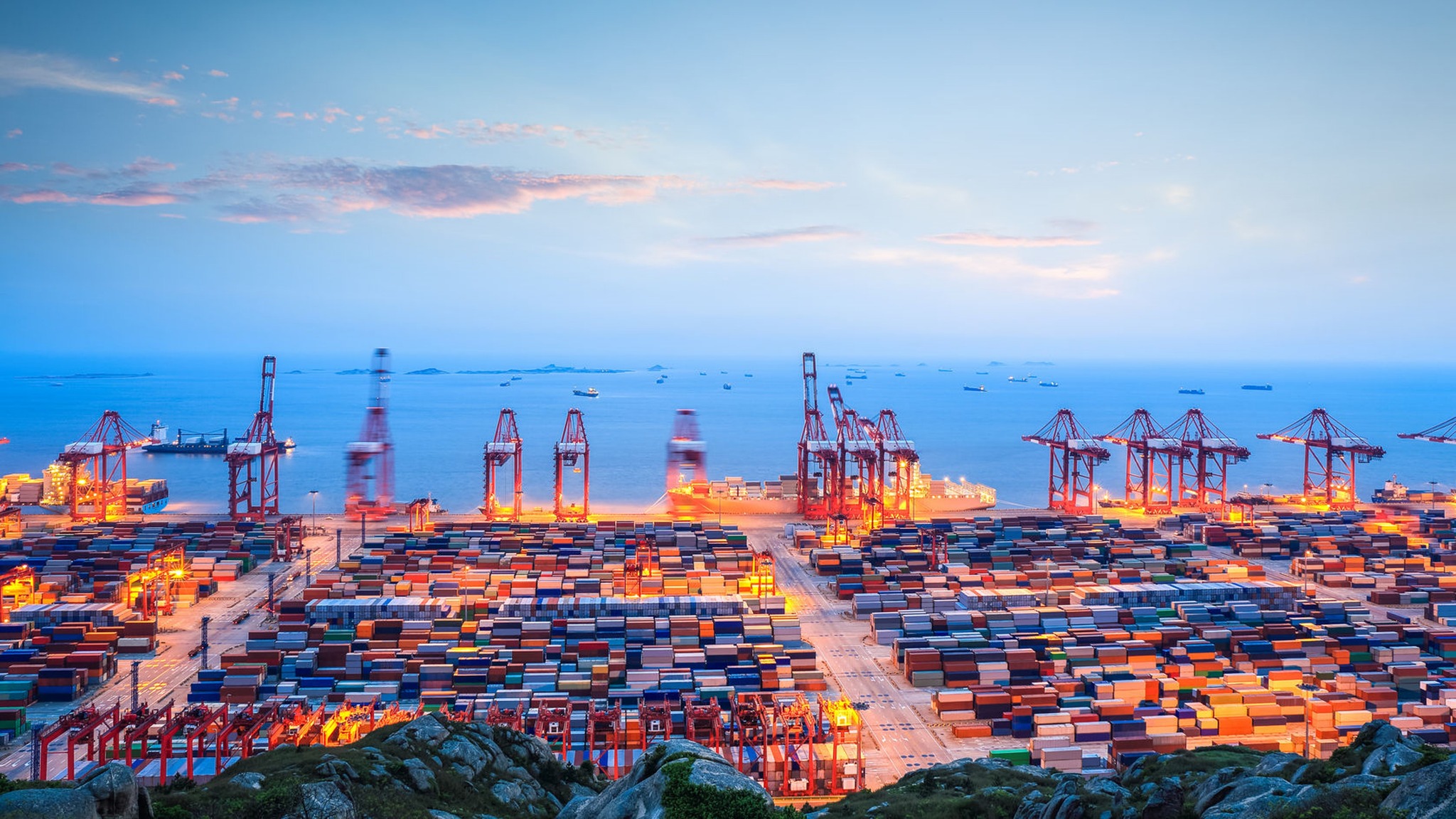
❖While sea freight remains the most popular choice for bulk commodities, it is not always the most efficient solution for every business model. Indeed, the trade-off between speed and cost is the primary consideration for logistics managers worldwide.
Moreover, alternative methods like rail or air transport offer unique advantages for specific types of cargo and urgent deadlines. Consequently, a multi-modal approach often provides the best balance of reliability and budget adherence.
| Shipping Method | Cost Range | Transit Time | Best For |
|---|---|---|---|
| Sea Freight (FCL) | $1,500 – $4,500 | 14 – 40 Days | Large bulk shipments |
| Air Freight | $5.00 – $12.00/kg | 3 – 7 Days | High-value electronics |
| Rail Freight | $2,000 – $3,500 | 15 – 22 Days | Europe bound cargo |
| Express Service | $8.00 – $15.00/kg | 2 – 5 Days | Small samples |

Decision Framework: Which Option Should You Choose?
❖Budget priority dictates that sea freight is the superior choice for shipments exceeding two cubic meters in volume. However, if your inventory levels are low and you risk a stockout, the higher cost of air freight is often justified by the revenue saved.
Cargo type considerations are equally important when evaluating your logistics strategy. For instance, perishable goods or sensitive medical equipment require the temperature-controlled environments typically found in specialized air or sea containers.
Volume thresholds often determine the switch from LCL to FCL shipping. Generally, once your shipment reaches 15 cubic meters, booking a full 20-foot container becomes more economical than paying for individual space in a shared container.
The Importance of Door to Door Logistics Solutions
❖Managing multiple vendors for trucking, customs, and ocean transport can lead to significant communication breakdowns. Therefore, many savvy importers prefer a door to door service that consolidates all responsibilities under a single point of contact.
Furthermore, this streamlined approach reduces the risk of cargo damage during multiple hand-offs between different logistics providers. Consequently, you gain better visibility into your supply chain through unified tracking systems and consistent reporting.
In addition, integrated services often include final mile delivery, ensuring that your goods arrive safely at your warehouse or retail location. This comprehensive oversight simplifies the accounting process as you receive one inclusive invoice for the entire journey.
Real Case Study: Ocean Freight from Shenzhen to Los Angeles
❖Case Study 1: Electronics Distribution. Route: Shenzhen, China to Los Angeles, USA. Cargo: Consumer electronics, 68 CBM, 12,500 kg. Container: 1x40HQ. Carrier: COSCO.
Shipping Details: Port of Loading was Yantian, and Port of Discharge was Los Angeles. The route was a direct service with no transshipment. Ocean Freight cost was $3,250 based on Q3 2023 market rates.
Timeline: Booking to loading took 4 days. Sea transit lasted 16 days. Customs clearance was completed in 2 days. Total door-to-door time was 25 days, including inland trucking.
Key Insight: Early booking during the off-peak season allowed the client to secure a rate 15% lower than the monthly average. Note: Freight rates are subject to change based on fuel costs, carrier capacity, and seasonal demand. Contact us for a current quote tailored to your specific shipment.
Real Case Study: Rail Freight from Shanghai to Hamburg
❖Case Study 2: Industrial Machinery. Route: Shanghai, China to Hamburg, Germany. Cargo: Machine parts, 28 CBM, 8,000 kg. Container: 1x20GP. Service: China-Europe Railway Express.
Shipping Details: Port of Loading was Shanghai terminal. The route involved transit through Kazakhstan and Poland. Total Landed Cost was $2,450, including all rail terminal charges.
Timeline: Transit time on the rail was 18 days. Customs clearance at the border took 3 days. Total door-to-door duration was 24 days.
Key Insight: Rail freight provided a middle ground, being 50% faster than sea freight and 60% cheaper than air freight for this specific volume. Note: Freight rates are subject to change based on fuel costs, carrier capacity, and seasonal demand. Contact us for a current quote tailored to your specific shipment.
Optimizing Amazon FBA Shipments from China
❖Sellers utilizing the Amazon FBA program must adhere to strict labeling and packaging requirements to avoid costly rejection at fulfillment centers. Meanwhile, choosing a logistics provider experienced in Amazon’s specific delivery windows is crucial for maintaining your seller rating.
Additionally, many logistics companies offer prep services in China to ensure compliance before the goods ever leave the country. Therefore, you can save on labor costs by handling labeling and kitting at the source rather than at a domestic warehouse.
Moreover, specialized FCL and LCL services for Amazon allow for direct delivery to various centers across North America and Europe. This direct injection method bypasses unnecessary storage fees and speeds up the time it takes for your products to go live.
Navigating Customs and Documentation Requirements
❖Accurate documentation is the bedrock of a successful international shipment. Without a doubt, errors in the Bill of Lading or Commercial Invoice can lead to expensive port storage fees and lengthy customs inspections.
Specifically, working with a professional customs brokerage ensures that your goods are classified under the correct HTS codes. Consequently, you avoid overpaying on duties while remaining fully compliant with local import regulations.
Furthermore, modern logistics platforms now allow for digital document submission, which significantly accelerates the clearance process. Indeed, having your paperwork verified before the vessel arrives can save several days in the overall transit timeline.
| Document Name | Purpose | Required By | Timing |
|---|---|---|---|
| Commercial Invoice | Value declaration | Customs | Before departure |
| Packing List | Content details | Warehouse/Customs | At loading |
| Bill of Lading | Title of goods | Carrier/Bank | After sailing |
| Certificate of Origin | Tariff eligibility | Customs | Before arrival |
Cost-Saving Strategies for Your Next Logistics Quote
❖Consolidating multiple smaller orders into a single LCL or FCL shipment is one of the most effective ways to reduce your per-unit shipping cost. Additionally, negotiating longer-term contracts with your freight forwarder can provide protection against sudden market price spikes.
Furthermore, optimizing your packaging to minimize wasted space within a container can lead to significant savings over time. For example, palletizing goods efficiently ensures you are not paying for the transportation of empty air.
Finally, always request a china logistics company quote at least two to three weeks in advance of your ready date. This lead time allows your logistics partner to shop around for the best carrier rates and secure space on the most efficient vessels.
Final Thoughts on Securing a China Logistics Company Quote
To summarize, obtaining a china logistics company quote involves understanding a variety of factors ranging from fuel surcharges to customs regulations. By carefully evaluating sea, air, and rail options, you can find a solution that fits both your budget and your timeline.
Indeed, the right logistics partner will provide transparency and expertise, helping you navigate the complexities of international trade with confidence. Remember to plan ahead and stay informed about market trends to ensure your shipping strategy remains competitive in a global marketplace.
Ready to streamline your logistics?
Ready to optimize your supply chain with competitive rates and reliable service? Contact our team today for a comprehensive china logistics company quote tailored to your business needs. Visit our inquiry page to get started and secure your shipment space for the upcoming season. Send Inquiry: https://chinafreightworld.com/
Request Quote