
Sea Freight from China for Amazon Sellers: 2026 Logistics Guide
By partnering with China Freight World, buyers gain factory-direct clarity on specs, lead times, and landed expectations. Navigating the complexities of international logistics is a primary hurdle for modern e-commerce entrepreneurs. If you are looking to scale your business, utilizing sea freight from china for amazon sellers remains the most cost-effective strategy for inventory management. This comprehensive guide will explore current market trends, pricing structures, and the best practices for 2026 to ensure your products reach Amazon fulfillment centers efficiently. Consequently, understanding the nuances of ocean transport will allow you to maintain healthy profit margins while staying competitive in the global marketplace.

Why Sea Freight is Essential for Amazon Sellers in 2026
Ocean transport continues to be the backbone of the global supply chain due to its unmatched capacity for bulk shipments. For most businesses, sea freight offers the lowest per-unit cost, which is vital for maintaining a competitive edge on the Amazon platform. Furthermore, the stabilization of global shipping routes in early 2026 has made ocean transit more predictable than in previous years.
Moreover, the ability to ship large volumes allows sellers to stock up for peak seasons like Prime Day or the Q4 holidays without incurring the exorbitant costs of air transport. Indeed, most successful Amazon brands utilize a sea-heavy strategy to manage their inventory levels effectively. Consequently, you can allocate the money saved on logistics toward marketing and product development.
Additionally, sea transport is significantly more environmentally friendly compared to air options, which aligns with the growing consumer demand for sustainable business practices. Therefore, choosing ocean freight is not just a financial decision but also a strategic brand-building move. Nevertheless, you must plan your inventory cycles carefully to account for the longer transit times inherent in ocean shipping.
Understanding LCL vs FCL for Amazon Shipments
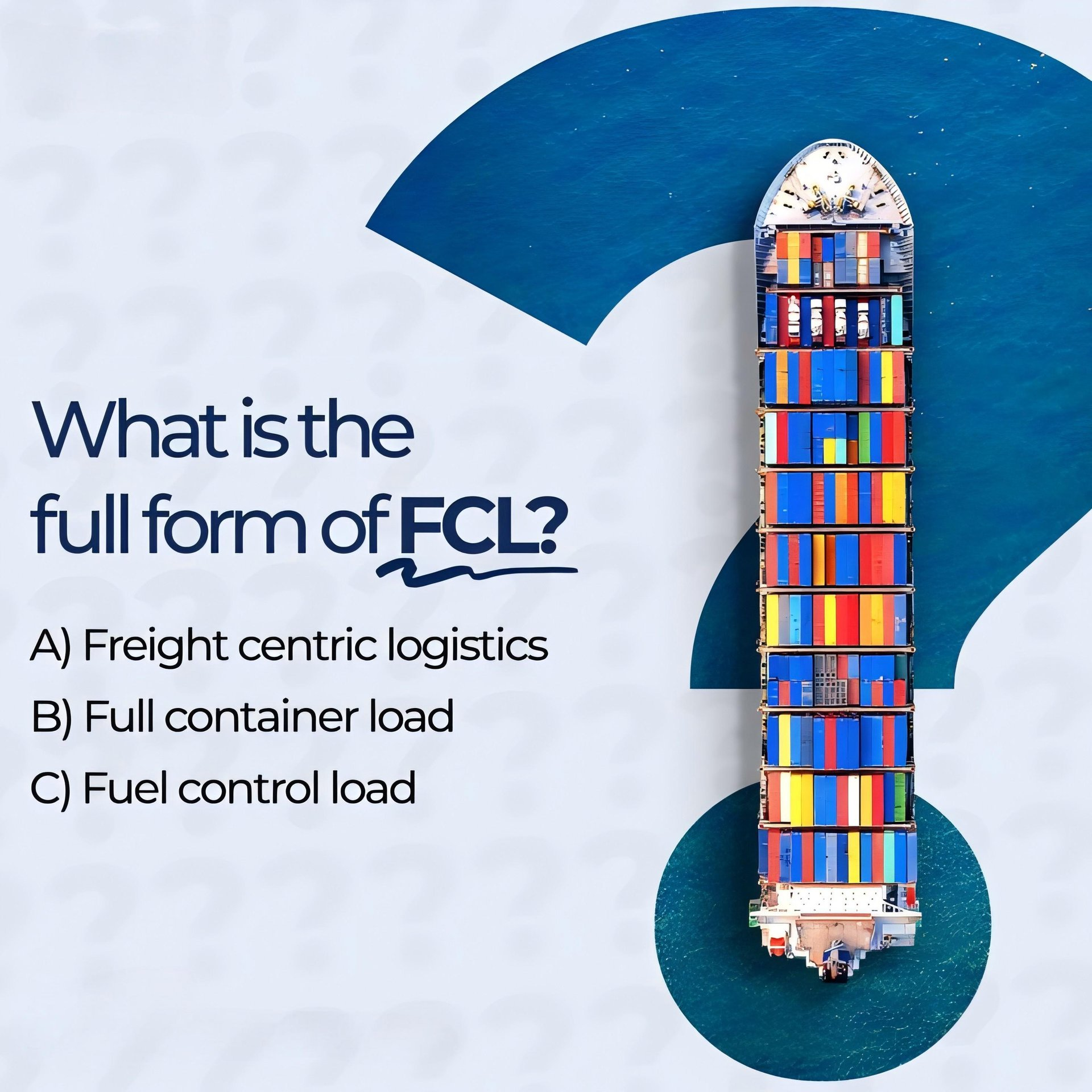
Choosing between Less than Container Load and Full Container Load is a critical decision for every importer. LCL is ideal for sellers who do not have enough inventory to fill a standard 20-foot or 40-foot container. On the other hand, FCL is more cost-effective if you are shipping more than 15 cubic meters of goods. Using an Amazon FBA specialist helps in determining which method suits your current stock levels best.
Furthermore, FCL shipments often experience fewer delays because the container is sealed at the origin and only opened at the final destination. In contrast, LCL shipments require consolidation at a warehouse, which can add several days to the total transit time. However, LCL provides the flexibility to ship smaller batches more frequently, helping you avoid long-term storage fees at Amazon warehouses.
Consequently, many high-volume sellers prefer FCL to minimize the risk of damage during the consolidation process. Meanwhile, startups often find LCL to be a more accessible entry point into international sourcing. Therefore, your choice should depend on your current sales velocity and capital availability.
How Does Sea Freight from China for Amazon Sellers Compare to Other Shipping Options?
While ocean transport is the most popular choice, it is important to understand how it stacks up against alternatives like air freight or rail freight. Air transport is undeniably faster, often reaching destinations in under a week, but the costs can be five to ten times higher than sea transport. Consequently, air is usually reserved for high-value items or urgent restocks.
Rail freight has emerged as a viable middle ground for sellers shipping to Europe, offering faster speeds than the sea at a lower cost than air. However, rail is not an option for those shipping to North America or Australia. Therefore, sea freight remains the most versatile and globally accessible method for the majority of Amazon sellers.
In addition, hybrid solutions like sea-air combinations are becoming more popular in 2026 for those who need a balance of speed and cost. Without a doubt, the right choice depends on your specific product margins and time constraints. For instance, a heavy, low-margin product should almost always be shipped via the ocean.
| Shipping Method | Cost Range | Transit Time | Best For |
|---|---|---|---|
| Sea Freight | $1,500 – $4,500 | 20 – 45 Days | Bulk Inventory |
| Air Freight | $5,000 – $15,000 | 5 – 10 Days | Urgent Restocks |
| Rail Freight | $2,500 – $6,000 | 18 – 25 Days | Mid-size loads |
| Express | $8,000 – $20,000 | 3 – 5 Days | Samples |
Which Option Should You Choose? A Strategic Decision Framework
Deciding on a shipping method requires a clear understanding of your business priorities. If your primary goal is to maximize profit margins, sea freight is the clear winner for large shipments. However, if you are launching a new product and need to test the market quickly, a small air shipment might be more appropriate. Therefore, you should evaluate your decision based on volume, weight, and urgency.
Furthermore, consider the seasonal demand of your products. During the Q4 peak season, sea freight rates often spike, and port congestion can lead to significant delays. Consequently, some sellers choose to ship 80 percent of their stock via sea and keep 20 percent as a buffer for air transport. This hybrid approach ensures that you never run out of stock during critical sales periods.
Moreover, the nature of your cargo plays a significant role. Dangerous goods or oversized items may have specific restrictions that make sea freight the only viable or affordable option. Indeed, consulting with a professional forwarder can help you navigate these technical requirements efficiently.
Step-by-Step Guide to Sea Freight from China for Amazon Sellers
The process begins with finding a reliable supplier in China and coordinating with a freight forwarder. Once your goods are manufactured, the forwarder will arrange for the pickup and transport to the nearest port, such as Ningbo or Shanghai. Using a door to door service is highly recommended for Amazon sellers as it simplifies the entire logistics chain.
Next, your cargo undergoes export customs clearance in China before being loaded onto the vessel. During the transit phase, you should monitor the tracking information provided by your forwarder to stay updated on the estimated arrival time. Consequently, you can prepare your Amazon Seller Central account by creating the necessary shipping plans and labels.
Upon arrival at the destination port, the goods must pass through import customs. Finally, the forwarder arranges for the last-mile delivery to the designated Amazon fulfillment center. Therefore, meticulous documentation and labeling are essential to avoid delays or rejections at the warehouse.
Navigating Customs and Compliance for FBA Shipments
Customs compliance is perhaps the most daunting aspect of international shipping for many sellers. You must ensure that all products are correctly classified using the Harmonized System (HS) codes to determine the applicable duties and taxes. Working with a professional customs brokerage service can prevent costly errors and shipment seizures.
Additionally, Amazon has strict requirements for how products must be packaged and labeled before they arrive at their warehouses. Failure to comply with these rules can result in additional fees or the return of your shipment at your expense. Furthermore, ensure that your commercial invoice and packing list are accurate and match the physical contents of your shipment.
Meanwhile, stay informed about any changes in trade policies or tariffs between China and your target market. For example, trade regulations in 2026 may differ from previous years, impacting your landed costs. Consequently, maintaining a proactive approach to compliance will save you time and money in the long run.
Realistic Case Studies: 2026 Shipping Scenarios
Case Study 1: Electronics Seller to USA. Route: Shenzhen to Los Angeles. Cargo: 15 CBM of consumer electronics. Container: LCL. Shipping Details: Major carrier via direct route. Cost Breakdown: Ocean Freight $1,800, Origin Charges $350, Destination Charges $450, Customs $600. Total Landed Cost: $3,200. Timeline: 22 days door-to-door. Key Insight: Choosing a direct route saved 5 days compared to transshipment.
Case Study 2: Home Decor Seller to Europe. Route: Ningbo to Hamburg. Cargo: 65 CBM of wooden furniture. Container: 40HQ. Shipping Details: Direct route via Suez Canal. Cost Breakdown: Ocean Freight $3,800, Origin Charges $500, Destination Charges $700, Customs $1,200. Total Landed Cost: $6,200. Timeline: 35 days. Key Insight: FCL was significantly cheaper per unit than LCL for this volume.
Case Study 3: Apparel Brand to Australia. Route: Shanghai to Sydney. Cargo: 8 CBM of clothing. Container: LCL. Shipping Details: Direct vessel. Cost Breakdown: Ocean Freight $950, Origin Charges $250, Destination Charges $300, Customs $400. Total Landed Cost: $1,900. Timeline: 16 days. Key Insight: Sea freight to Australia is remarkably fast and affordable compared to other long-haul routes.
Current Market Trends and 2026 Pricing Forecasts
As of early 2026, the shipping industry has seen a return to more stable pricing after the volatility of previous years. Rates for shipping to North America have remained steady, though fuel surcharges continue to fluctuate. Furthermore, carriers are introducing more eco-friendly vessels, which may lead to slight increases in ‘green’ shipping premiums.
In Europe, the logistics landscape is influenced by updated carbon tax regulations. Meanwhile, routes to Australia remain competitive due to high vessel capacity and efficient port operations. Therefore, sellers should obtain multiple quotes to ensure they are getting the best market rate for their specific lane.
Additionally, the integration of AI in port logistics is reducing dwell times, meaning your cargo spends less time sitting in the harbor. Consequently, overall door-to-door times are improving across most major trade routes. Nevertheless, always factor in a 10 percent buffer in your budget for unexpected surcharges.
| Route | 20GP Container | 40HQ Container | Avg Transit |
|---|---|---|---|
| China to USA West | $1,600 – $2,300 | $2,900 – $3,900 | 15-20 Days |
| China to USA East | $2,600 – $3,600 | $4,600 – $6,100 | 30-36 Days |
| China to UK/EU | $2,100 – $2,900 | $3,600 – $4,600 | 32-40 Days |
| China to Australia | $850 – $1,250 | $1,500 – $2,100 | 14-19 Days |
Alternative Strategies and Hybrid Solutions for Logistics
For sellers looking to optimize their supply chain, alternative strategies can provide a significant advantage. One such strategy is the sea-air hybrid, where goods are shipped by sea to a hub like Dubai or Singapore and then flown to the final destination. This method is often 30 percent faster than pure sea freight and 40 percent cheaper than pure air freight.
Another effective approach is to utilize regional warehouses to distribute stock closer to the final customer. By shipping bulk inventory via sea to a local 3PL (Third Party Logistics) provider, you can restock Amazon FBA centers in small increments. Consequently, you reduce the risk of high Amazon storage fees while maintaining fast shipping times for your customers.
Furthermore, consider consolidating shipments from multiple suppliers in China into a single FCL container. This strategy, known as buyer’s consolidation, can significantly reduce your per-unit shipping costs and simplify your customs entries. Therefore, exploring these creative logistics solutions can provide the flexibility needed to thrive in the 2026 e-commerce environment.
Final Thoughts on Ocean Logistics for E-commerce
Successfully managing sea freight from china for amazon sellers is a vital skill for any serious e-commerce business. By choosing the right shipping method, staying compliant with customs, and planning for seasonal trends, you can ensure a reliable flow of inventory. Remember that while cost is important, reliability and transit time also play a crucial role in your overall success.
As we move through 2026, staying informed about market shifts and leveraging professional partnerships will be your greatest assets. Whether you are shipping LCL or FCL, the goal remains the same: getting your products to Amazon efficiently and affordably. Start optimizing your shipping strategy today to secure your brand’s future growth.
Get Your Shipping Quote Today
Streamline your supply chain today with expert guidance on sea freight from china for amazon sellers. Contact our team for a personalized quote and let us handle your logistics from factory floor to FBA warehouse. Visit chinafreightworld.com to get started.
Request Quote