

China Import Shipping Local Warehouse: 2026 Strategy Guide
Navigating the complexities of international trade requires a robust strategy for managing inventory and logistics. Importers frequently face challenges with long transit times and high storage costs when managing shipments from Asia. Using a China Freight World solution for your china import shipping local warehouse needs can significantly streamline your operations and reduce lead times for customers. This approach allows businesses to maintain stock closer to their end markets, ensuring faster delivery and improved customer satisfaction.
Understanding China Import Shipping Local Warehouse Models
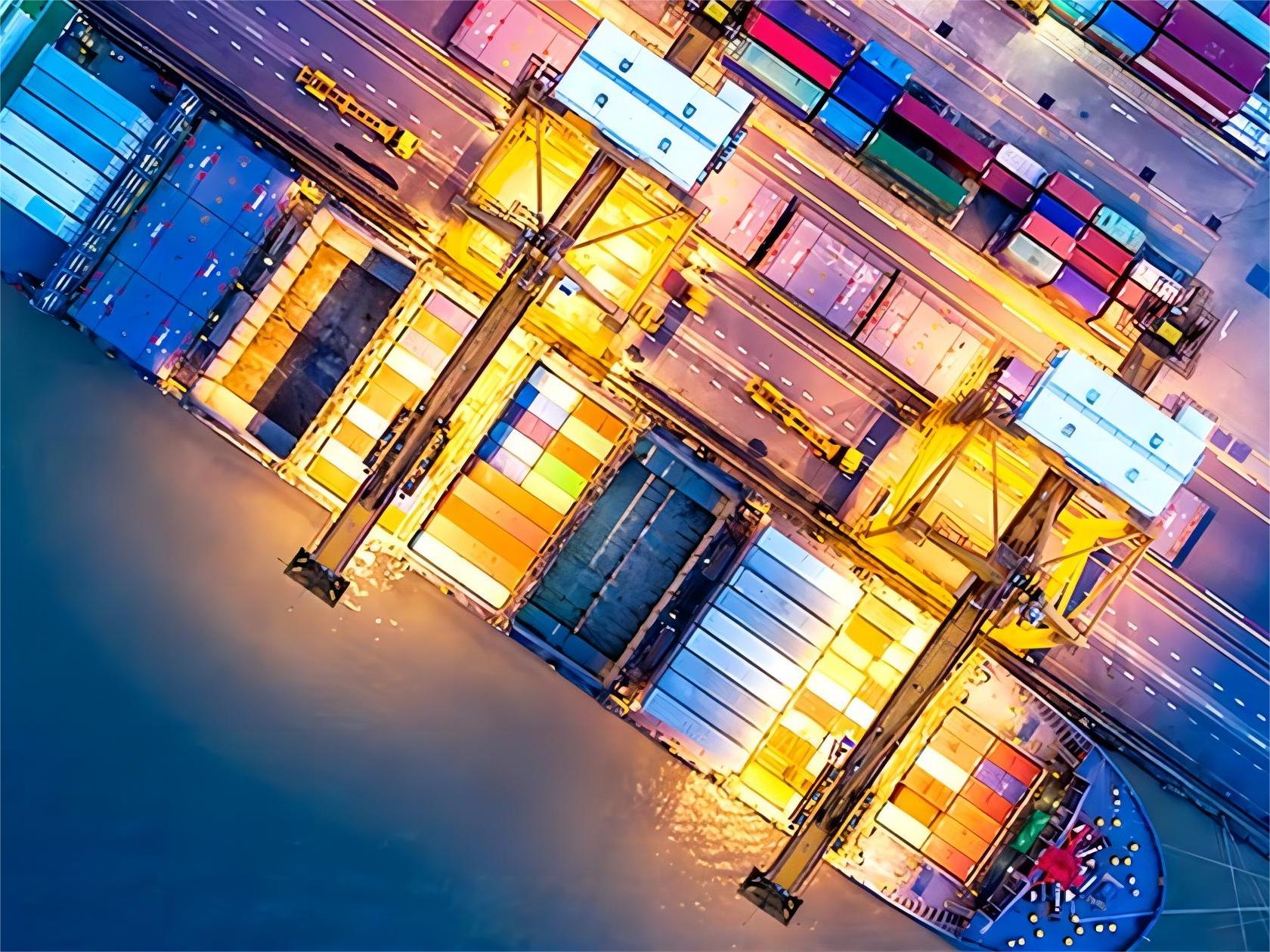
Modern supply chains rely heavily on the efficiency of overseas fulfillment centers to remain competitive in a global market. Specifically, a local warehouse acts as a strategic hub where goods imported from China are stored before final distribution. This model eliminates the need for individual international shipments for every customer order, which often results in prohibitive costs.
Furthermore, businesses can leverage these facilities to manage seasonal demand fluctuations more effectively. By shipping bulk quantities via sea freight, companies reduce their per-unit shipping costs while maintaining high stock availability. Consequently, this method has become the standard for successful e-commerce and retail operations in 2026.
Additionally, integrated logistics providers offer end-to-end visibility through advanced inventory management systems. These platforms allow importers to track their stock levels in real-time across multiple geographic locations. As a result, decision-makers can adjust their procurement strategies based on actual regional demand rather than estimates.
Key Benefits of Utilizing an Overseas Fulfillment Center
Reducing delivery times is perhaps the most significant advantage of maintaining a local presence. When goods are already situated within the destination country, last-mile delivery can often be completed within 24 to 48 hours. Moreover, this speed is a crucial factor in winning buy-boxes on major e-commerce platforms.
Handling returns becomes significantly simpler when a local warehouse is part of the logistics chain. Instead of customers shipping items back to China, they can send them to a domestic facility for inspection and restocking. Therefore, the overall customer experience is enhanced, leading to higher brand loyalty and repeat purchases.
Cost-efficiency is another major driver for adopting this model in the 2026 market. Bulk shipping to a central hub is far more economical than sending hundreds of small parcels across borders. Meanwhile, the reduction in individual customs entries for small orders can save significant administrative overhead and potential delays.
Comparing Shipping Methods for Local Warehouse Stocking
Choosing the right transportation mode depends on your budget, cargo volume, and urgency. For most businesses stocking a china import shipping local warehouse, sea freight remains the most cost-effective choice for large volumes. However, rail freight has become an increasingly popular middle-ground for shipments heading to Europe.
Air freight is typically reserved for high-value items or urgent inventory replenishment. While it offers the fastest transit times, the cost per kilogram is substantially higher than other methods. In contrast, sea freight allows for massive volume at a fraction of the price, provided the importer plans for longer lead times.
Below is a comparison of the primary shipping methods used to stock local warehouses as of early 2026.
| Method | Cost Level | Transit Time | Best For |
|---|---|---|---|
| Sea Freight | Low | 30-45 Days | Bulk Inventory |
| Air Freight | High | 5-10 Days | Urgent Restock |
| Rail Freight | Medium | 18-25 Days | Europe Routes |
| Express | Very High | 3-5 Days | Small Samples |

Navigating Customs Brokerage and Bonded Storage
Professional customs brokerage services are essential for ensuring that your goods enter the country without legal complications. Customs regulations in 2026 have become more stringent regarding product safety and environmental standards. Consequently, having an expert handle the documentation is no longer optional for serious importers.
Utilizing a bonded warehouse can provide significant cash flow advantages for your business. In a bonded facility, duties and taxes are only paid when the goods are removed for domestic sale rather than upon arrival at the port. Indeed, this allows companies to defer large tax payments while keeping their inventory ready for immediate dispatch.
Moreover, specialized logistics providers can assist with tariff classification and duty drawback programs. These services help importers minimize their total landed costs by identifying the most accurate HS codes. As a result, businesses can maintain healthier profit margins even in a competitive pricing environment.
How Does Local Warehouse Shipping Compare to Other Options?
Direct shipping from China to the end customer is a common alternative, especially for dropshipping models. However, this approach often suffers from unpredictable delivery windows and high international shipping fees for every unit. On the other hand, the local warehouse model requires more upfront capital but offers lower long-term operational costs.
Hybrid solutions are also gaining traction in the current logistics landscape. Some companies use Amazon FBA for their top-selling items while maintaining a private local warehouse for slower-moving stock. This strategy balances the high visibility of marketplaces with the lower storage fees of independent third-party logistics providers.
To help you decide, we have analyzed the primary shipping strategies available for international importers below.
| Strategy | Cost Range | Speed | Limitations |
|---|---|---|---|
| Direct Parcel | $15-40/unit | 7-15 Days | High Returns |
| Local Whse | $2-5/unit | 1-2 Days | Storage Fees |
| Hybrid Sea-Air | $5-10/kg | 15-20 Days | Complex Ops |
| FBA Direct | $10-25/unit | 1-2 Days | Strict Rules |

Which Option Should You Choose for Your Business?
Determining the best logistics model requires a deep analysis of your product margins and sales velocity. If your products have a high turnover rate, the local warehouse model is almost always the superior choice due to shipping economies of scale. Conversely, niche products with low demand might be better suited for direct shipping to avoid excessive storage costs.
Budget priorities often dictate the initial choice of shipping method. For companies looking to minimize expenses, sea freight combined with a local distribution center offers the lowest total landed cost. Without a doubt, the initial investment in inventory is offset by the massive savings in per-unit transportation fees.
Cargo type considerations also play a vital role in the decision-making process. Perishable goods or high-tech electronics with short lifecycles may require faster transit via air or express services. Meanwhile, durable consumer goods like furniture or home appliances are perfectly suited for the longer lead times associated with ocean transport.
Realistic Case Studies for 2026 Logistics Planning
Case Study 1: Electronics Distribution to North America. A consumer electronics brand needed to reduce shipping times for their smart home devices. By switching from direct air parcels to bulk sea freight and a California-based warehouse, they achieved a 60 percent reduction in shipping costs.
Case Study 2: Apparel Fulfillment in Europe. A fashion retailer utilized a local warehouse in Germany to handle seasonal peaks. This allowed them to offer next-day delivery across the EU, significantly increasing their market share compared to competitors shipping directly from Asia.
Note: Freight rates are subject to change based on fuel costs, carrier capacity, and seasonal demand. Contact us for a current quote tailored to your specific shipment.
Case Study Detail: Shenzhen to Los Angeles
Case Study 1: Smart Home Device Fulfillment
+———————————————————+
| Route: Shenzhen, China to Los Angeles, USA |
| Cargo: Smart Home Devices, 12 CBM, 2400 kg |
| Container: LCL Shipment |
| |
| Shipping Details: |
| – Carrier/Service: Major Ocean Carrier |
| – Port of Loading: Shenzhen |
| – Port of Discharge: Los Angeles |
| – Route Type: Direct |
| |
| Cost Breakdown: |
| – Ocean Freight: $1,100 |
| – Origin Charges: $350 |
| – Destination Charges: $450 |
| – Customs and Duties: $600 |
| – Total Landed Cost: $2,500 |
| |
| Timeline: |
| – Booking to Loading: 4 days |
| – Sea Transit: 15 days |
| – Customs Clearance: 3 days |
| – Total Door-to-Door: 22 days |
| |
| Key Insight: Bulk LCL reduced unit cost by 70 percent. |
+———————————————————+
Case Study Detail: Ningbo to Hamburg
Case Study 2: Home Goods Inventory Restock
+———————————————————+
| Route: Ningbo, China to Hamburg, Germany |
| Cargo: Home Textiles, 68 CBM, 12000 kg |
| Container: 40HQ Full Container |
| |
| Shipping Details: |
| – Carrier/Service: COSCO Shipping |
| – Port of Loading: Ningbo |
| – Port of Discharge: Hamburg |
| – Route Type: Direct via Suez |
| |
| Cost Breakdown: |
| – Ocean Freight: $3,800 |
| – Origin Charges: $400 |
| – Destination Charges: $650 |
| – Customs and Duties: $900 |
| – Total Landed Cost: $5,750 |
| |
| Timeline: |
| – Booking to Loading: 5 days |
| – Sea Transit: 28 days |
| – Customs Clearance: 2 days |
| – Total Door-to-Door: 35 days |
| |
| Key Insight: FCL provided the lowest cost per CBM. |
+———————————————————+
Mastering Your Supply Chain with Local Warehousing
Successfully managing a china import shipping local warehouse strategy requires careful planning and the right logistics partner. By shifting from individual international shipments to a bulk-to-local model, businesses can unlock significant cost savings and operational efficiencies. In 2026, this approach is no longer just an option; it is a necessity for maintaining a competitive edge.
Importers should focus on integrating their inventory management with reliable <a href=”https://chinafreightworld.com/services/door-to-door/”>door to door</a> services to ensure a seamless flow of goods. Whether you are scaling an e-commerce brand or managing retail distribution, the benefits of local storage are undeniable. Start optimizing your logistics today to ensure long-term growth and customer satisfaction.
Need a tailored shipping solution?
Streamline your global supply chain today with our professional china import shipping local warehouse services. Contact China Freight World for a custom quote and expert guidance on your next shipment.